Get your free personalized podcast brief
We scan new podcasts and send you the top 5 insights daily.
The widespread belief that social media made the world worse, despite initial optimism, has eroded public trust in technology as inherent progress. This "hangover" from the last tech wave creates a default environment of skepticism for AI, making positive perception significantly more challenging.

Related Insights
The political anxiety around AI stems from leaders' recent experience with social media, which acted as an "authority destroyer." Social media eroded the credibility of established institutions and public narrative control. Leaders now view AI through this lens, fearing a repeat of this power shift.

Unlike previous technologies like the internet or smartphones, which enjoyed years of positive perception before scrutiny, the AI industry immediately faced a PR crisis of its own making. Leaders' early and persistent "AI will kill everyone" narratives, often to attract capital, have framed the public conversation around fear from day one.

There's an 'eye-watering' gap between how AI experts and the public view AI's benefits. For example, 74% of experts believe AI will boost productivity, compared to only 17% of the public. This massive divergence in perception highlights a major communication and trust challenge for the industry.
AI is experiencing a political backlash from day one, unlike social media's long "honeymoon" period. This is largely self-inflicted, as industry leaders like Sam Altman have used apocalyptic, "it might kill everyone" rhetoric as a marketing tool, creating widespread fear before the benefits are fully realized.
The dot-com era, despite bubble fears, was characterized by widespread public optimism. In stark contrast, the current AI boom is met with significant anxiety, with over 30% of Americans fearing AI could end humanity. This level of dread marks a fundamental shift in public sentiment toward new technology.

The visceral rejection of AI-generated content as "slop" is not the root cause of anti-AI sentiment; it's a symptom. People already skeptical of AI for other reasons (job fears, ethics) are predisposed to view its output negatively. This dislike is a cultural manifestation of a pre-existing bias.
Beyond generating fake content, AI exacerbates public skepticism towards all information, even from established sources. This erodes the common factual basis on which society operates, making it harder for democracies to function as people can't even agree on the basic building blocks of information.
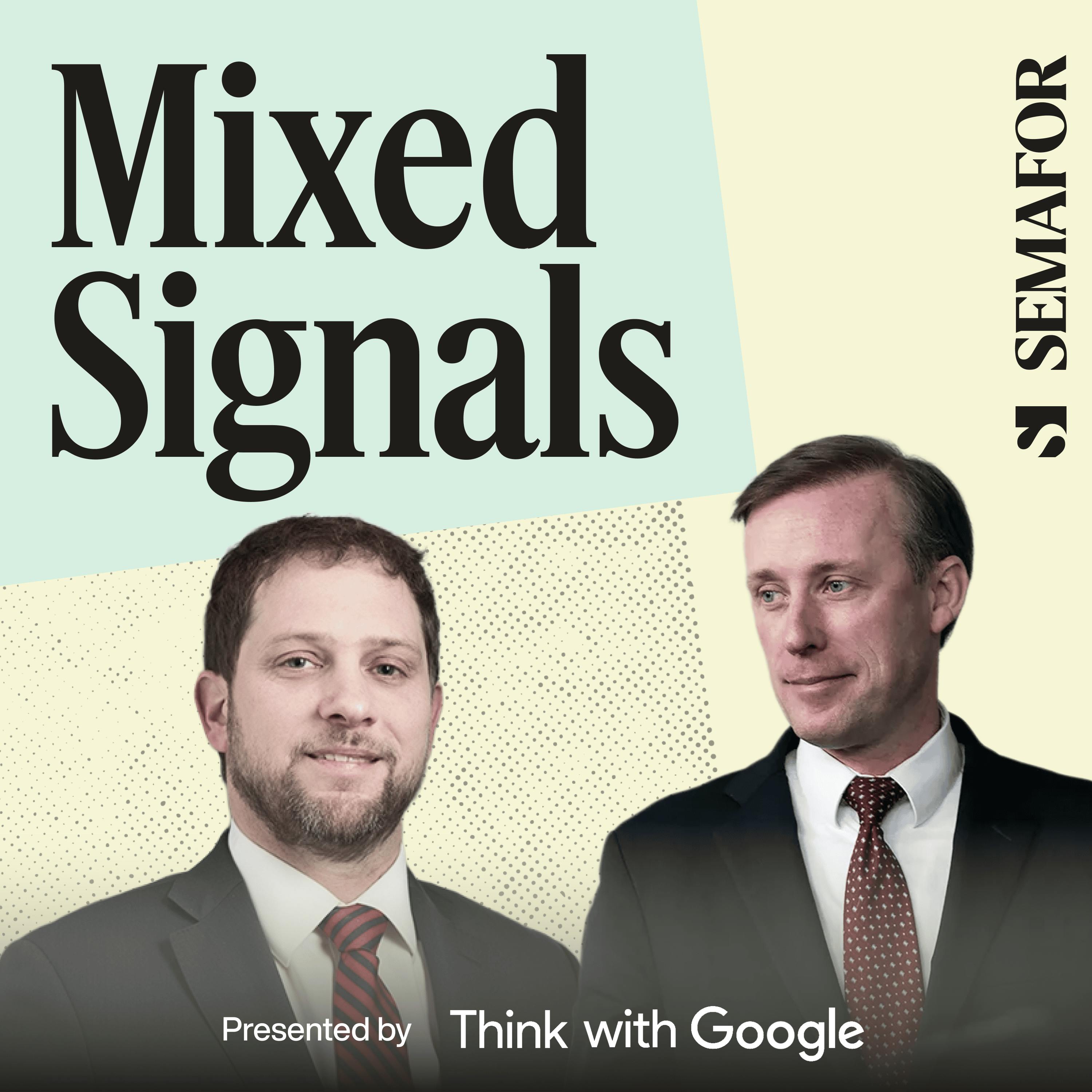
Unlike the early internet era led by new faces, the AI revolution is being pushed by the same leaders who oversaw social media's societal failures. This history of broken promises and eroded trust means the public is inherently skeptical of their new, grand claims about AI.

Unlike the dot-com or mobile eras where businesses eagerly adapted, AI faces a unique psychological barrier. The technology triggers insecurity in leaders, causing them to avoid adoption out of fear rather than embrace it for its potential. This is a behavioral, not just technical, hurdle.
Contrary to expectations, wider AI adoption isn't automatically building trust. User distrust has surged from 19% to 50% in recent years. This counterintuitive trend means that failing to proactively implement trust mechanisms is a direct path to product failure as the market matures.
