Get your free personalized podcast brief
We scan new podcasts and send you the top 5 insights daily.
Investing heavily in building custom AI agents is risky. The emergence of platforms like OpenAI's Workspace Agents, which allow non-technical users to build powerful agents with a few clicks, can render months of complex, custom development work obsolete.
Related Insights
The ability to code is no longer a prerequisite for software development. AI agents are democratizing creation, enabling anyone to build complex applications on demand. This flips the paradigm from a small fraction of specialized coders to a world of creators.

Instead of relying on traditional tutorials, non-technical individuals can successfully build complex AI agent teams by using a conversational AI as an interactive, patient, step-by-step coach. This approach democratizes access to advanced technology, bypassing conventional learning methods.

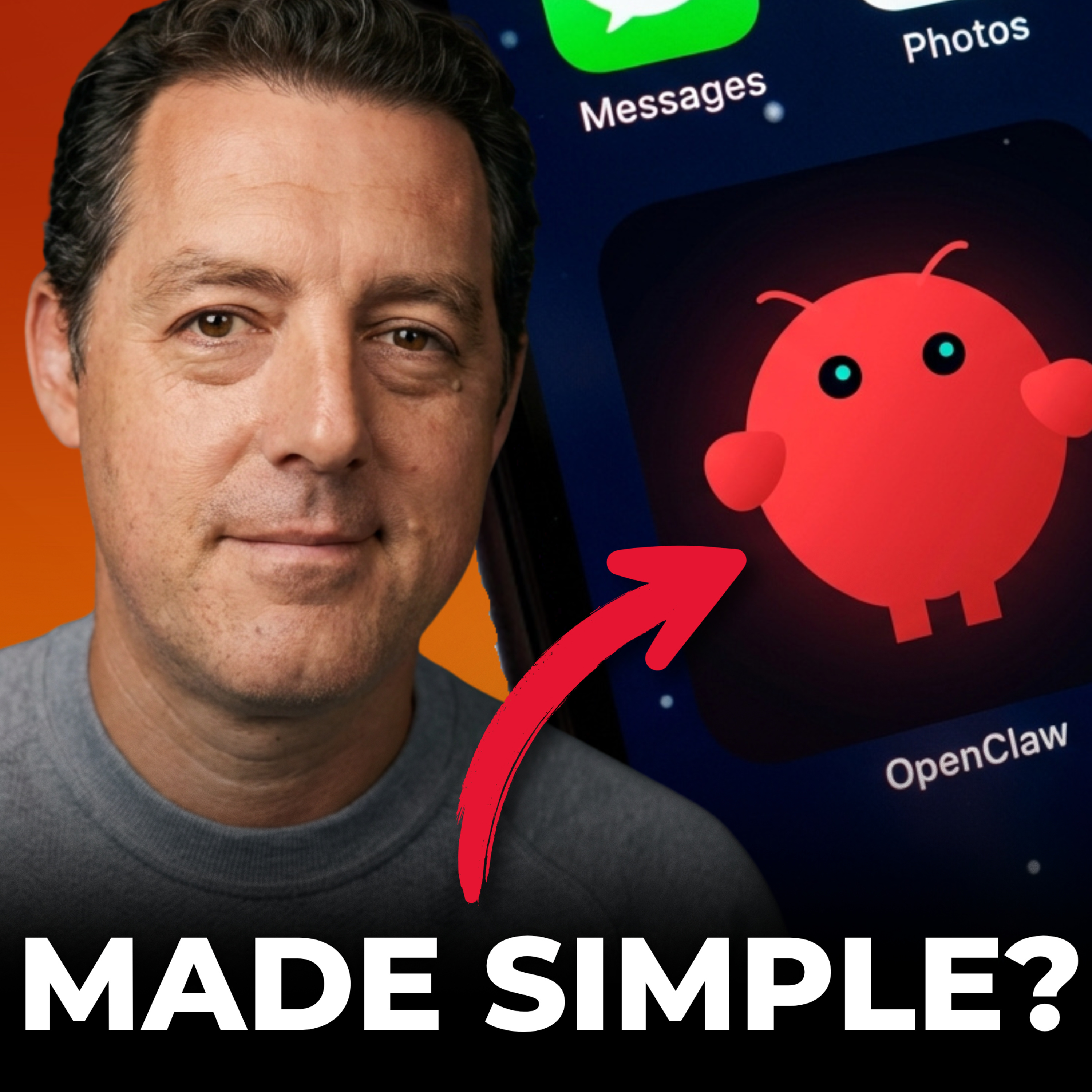
AI agents like OpenClaw dramatically lower the barrier to creating software. Founders with no prior coding experience can now build complex applications simply by issuing conversational commands, effectively making software development feel 'free' and accessible to anyone with an idea.
A design agency professional with no coding experience used the Moltbot agent to build 25 internal web services simply by describing the problems. This signals a paradigm shift where non-technical users can create their own hyper-personalized software, bypassing traditional development cycles and SaaS subscriptions.
A new wave of AI automation is being driven by non-technical staff using agent-based platforms. These knowledge workers are building custom AI solutions for complex business processes, bypassing the need for new software purchases or dedicated engineering resources.

Traditionally, building software required deep knowledge of many complex layers and team handoffs. AI agents change this paradigm. A creator can now provide a vague idea and receive a 60-70% complete, working artifact, dramatically shortening the iteration cycle from months to minutes and bypassing initial complexities.

Visual AI tools like Agent Builder empower non-technical teams (e.g., support, sales) to build, modify, and instantly publish agent workflows. This removes the dependency on engineering for deployment, allowing business teams to iterate on AI logic and customer-facing interactions much faster.

The excitement around tools like OpenClaw stems from their ability to empower non-programmers to create custom software and workflows. This replicates the feeling of creative power previously exclusive to developers, unlocking a long tail of niche, personalized applications for small businesses and individuals who could never build them before.
Non-technical users are leveraging agents like Moltbot to build their own hyper-personalized software. By simply describing a problem in natural language, they can create internal tools that perfectly solve their needs, eliminating the need to subscribe to many single-purpose SaaS applications.

The shift from command-line interfaces to visual canvases like OpenAI's Agent Builder mirrors the historical move from MS-DOS to Windows. This abstraction layer makes sophisticated AI agent creation accessible to non-technical users, signaling a pivotal moment for mainstream adoption beyond the engineering community.