Get your free personalized podcast brief
We scan new podcasts and send you the top 5 insights daily.
The ability to code is no longer a prerequisite for software development. AI agents are democratizing creation, enabling anyone to build complex applications on demand. This flips the paradigm from a small fraction of specialized coders to a world of creators.

Related Insights
Modern AI coding agents allow non-technical and technical users alike to rapidly translate business problems into functional software. This shift means the primary question is no longer 'What tool can I use?' but 'Can I build a custom solution for this right now?' This dramatically shortens the cycle from idea to execution for everyone.

The barrier to creating software is collapsing. Non-coders can now build sophisticated, personalized applications for specific workflows in under an hour. This points to a future where individuals and teams create their own disposable, custom tools, replacing subscriptions to numerous niche SaaS products.

Inspired by fully automated manufacturing, this approach mandates that no human ever writes or reviews code. AI agents handle the entire development lifecycle from spec to deployment, driven by the declining cost of tokens and increasingly capable models.
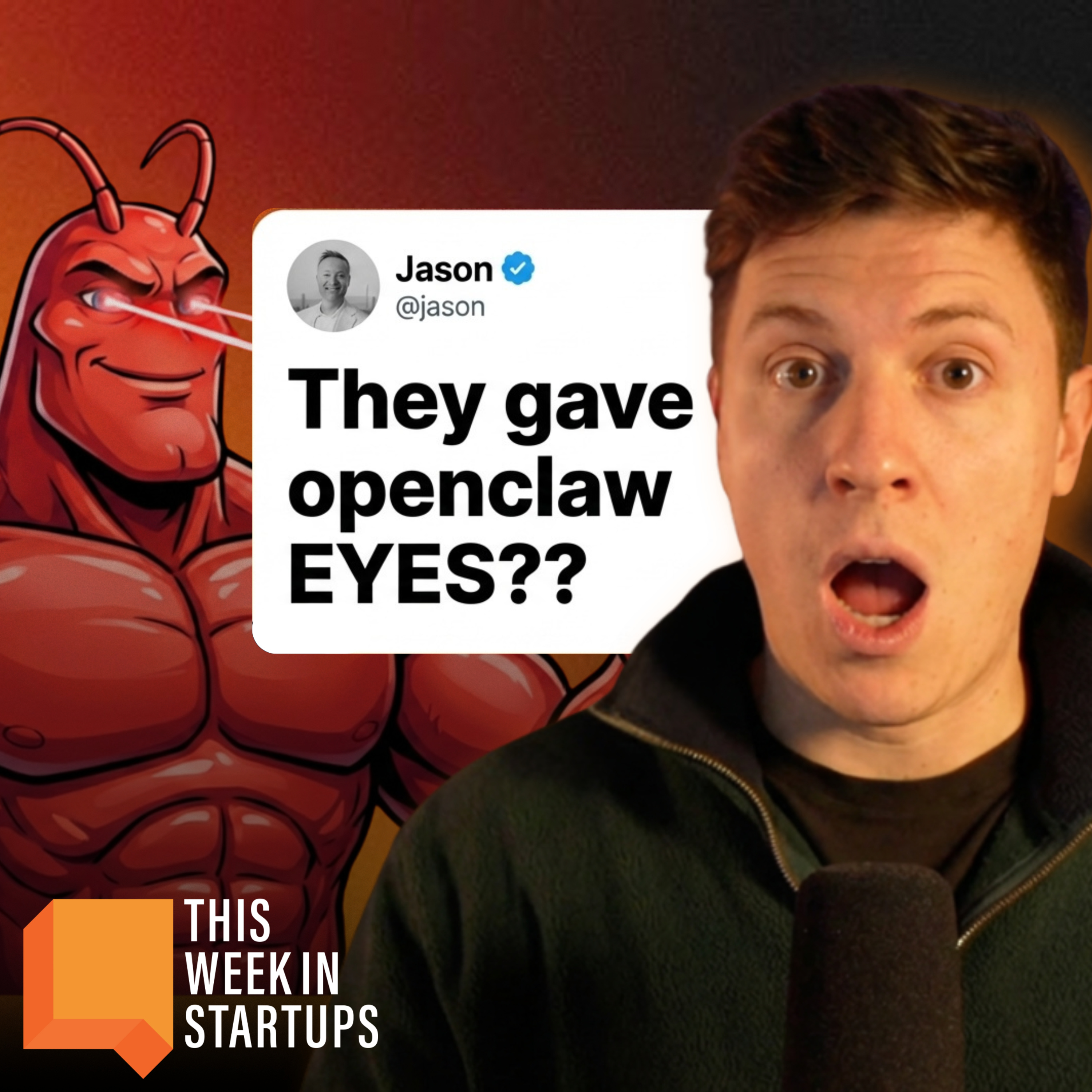
AI agents like OpenClaw dramatically lower the barrier to creating software. Founders with no prior coding experience can now build complex applications simply by issuing conversational commands, effectively making software development feel 'free' and accessible to anyone with an idea.
The primary impact of AI coding tools is enabling non-coders to perform complex development tasks. For example, a hedge fund analyst can now build sophisticated financial models simply by describing the goal, democratizing software creation for domain experts without coding skills.
AI acts as a massive force multiplier for software development. By using AI agents for coding and code review, with humans providing high-level direction and final approval, a two-person team can achieve the output of a much larger engineering organization.

The future of software isn't just AI-powered features. It's a fundamental shift from tools that assist humans to autonomous agents that perform tasks. Human roles will evolve from *doing* the work to *orchestrating* thousands of these agents.
Experienced engineers using tools like Claude Code are no longer writing significant amounts of code. Their primary role shifts to designing systems, defining tasks, and managing a team of AI agents that perform the actual implementation, fundamentally changing the software development workflow.

Traditionally, building software required deep knowledge of many complex layers and team handoffs. AI agents change this paradigm. A creator can now provide a vague idea and receive a 60-70% complete, working artifact, dramatically shortening the iteration cycle from months to minutes and bypassing initial complexities.

AI coding tools dramatically lower the barrier to software creation, enabling a new wave of 'indie' developers. This will lead to an explosion of hyper-personal, niche apps designed to solve specific problems for small user groups, shifting the focus away from universal, VC-scale software.