Get your free personalized podcast brief
We scan new podcasts and send you the top 5 insights daily.
Aaron Moncur describes FIRST teams receiving roughly 140 pages of rules and then having eight to ten weeks to design, build, test, and strategize. Students typically start confident, then discover many tasks take about three times longer, a humbling lesson that mirrors actual engineering projects.

Related Insights
At NASA, the design process involves building multiple quick prototypes and deliberately failing them to learn their limits. This deep understanding, gained through intentional destruction, is considered essential before attempting to build the final, mission-critical version of a component like those on the Mars Rover.

When a team presents a timeline that feels instinctively too long, trust that gut feeling. It likely signals an over-engineered solution. Complex systems never become simple; they only breed more complexity, causing timelines to expand endlessly. It's better to reset the team or the approach early on.

For ambitious 'moonshot' projects, the vast majority of time and effort (90%) is spent on learning, exploration, and discovering the right thing to build. The actual construction is a small fraction (10%) of the total work. This reframes failure as a critical and expected part of the learning process.

Unlike software's daily compilations, hardware development allows only a few "compiles" (builds) in total. This necessitates a more conservative, upfront process focused on reliability and planning, as you can't ship over-the-air updates to fix physical products.

To prevent engineers from going down a rabbit hole of endless improvements, teams must pre-define success criteria. When there's a clear, shared definition of the goal, it becomes easy to recognize when the objective is met and it's time to move on.
A university class project building 3D-printed combat robots gamifies the engineering process. It creates a rapid and engaging feedback loop where students learn about design, materials, and failure analysis by repeatedly breaking their own creations in a low-stakes environment.
For generational challenges like autonomous driving, underestimating the difficulty is a good thing. The initial optimism provides momentum to start a journey that might seem too daunting if the full complexity were understood from the beginning.

At American Housing Corp, engineers who design components also manufacture them in the factory and assemble them in the field. This forces them to experience the "pain" of their design decisions firsthand, creating a rapid, visceral feedback loop that leads to faster and more effective product improvements.

When stakeholders want to ship a high-fidelity prototype immediately, counter by explaining the required effort using numbers. Frame the work in terms of scale (e.g., "This must support 200 products, each requiring a week of testing") to manage expectations and justify proper engineering.

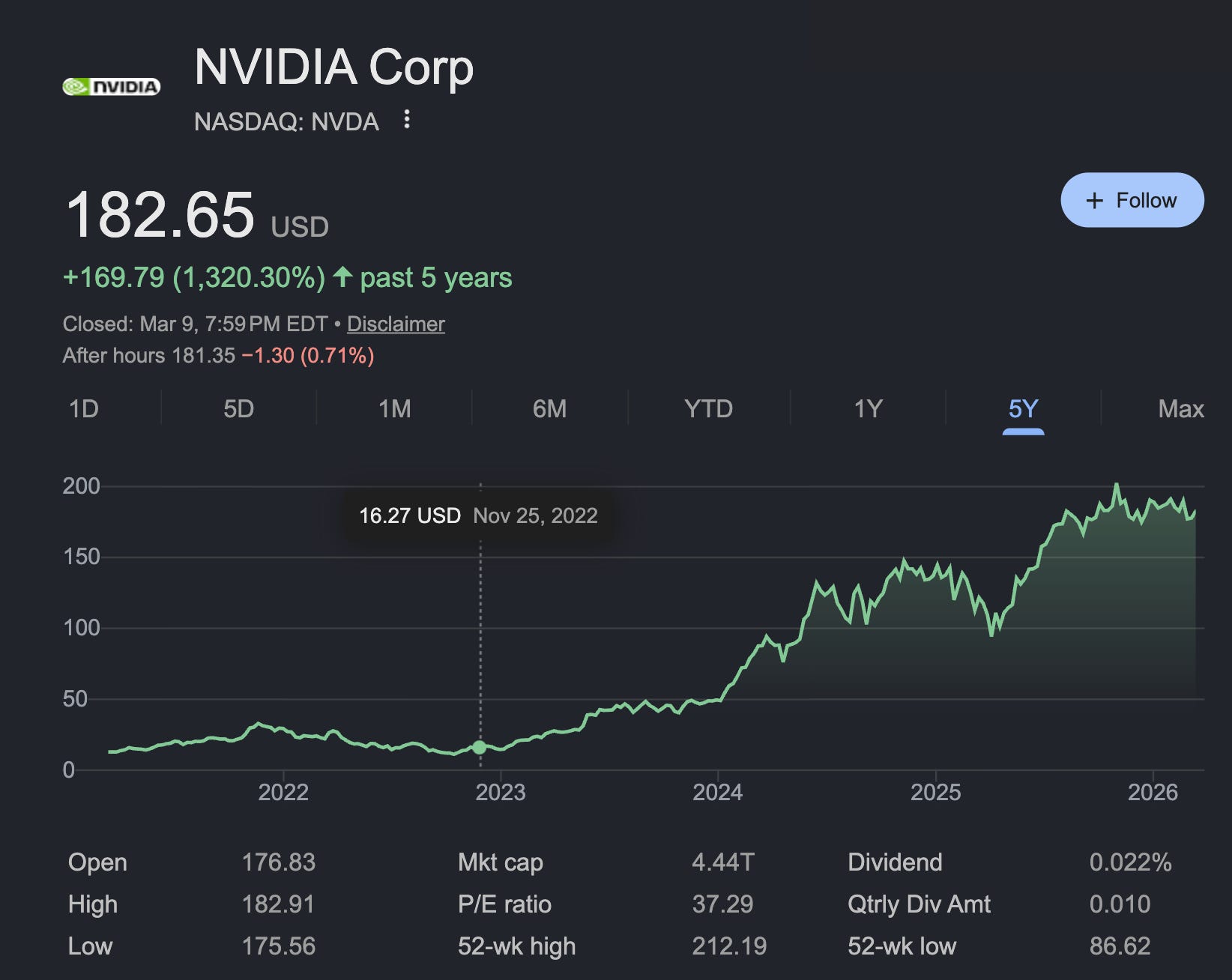
The "Speed of Light" (SOL) principle at NVIDIA combats project delays by demanding the absolute physical limit or theoretical minimum time for a task. This forces teams to reason from first principles before layering in practical constraints and excuses.