Get your free personalized podcast brief
We scan new podcasts and send you the top 5 insights daily.
When assessing product managers for AI-centric roles, Freshworks' CPO Srini Raghavan prioritizes passion and hands-on experience over traditional interviews. He asks to see a candidate's Git repository to evaluate what they have built on their own initiative.

Related Insights
To find talent capable of managing an AI stack, traditional interviews are insufficient. A better test is to provide candidates with platform credits (e.g., Replit) and challenge them to build a functional agent that automates a real business task, proving their practical skills.

In AI PM interviews, 'vibe coding' isn't a technical test. Interviewers evaluate your product thinking through how you structure prompts, the user insights you bring to iterations, and your ability to define feedback loops, not your ability to write code.

Traditional product sense questions are being replaced. AI PM candidates should expect to solve problems live using AI tools or design complex AI-native systems. This shift assesses a candidate's hands-on "builder" capabilities and deep understanding of modern AI architecture.
To assess a product manager's AI skills, integrate AI into your standard hiring process rather than just asking theoretical questions. Expect candidates to use AI tools in take-home case studies and analytical interviews to test for practical application and raise the quality bar.
To build an AI-native team, shift the hiring process from reviewing resumes to evaluating portfolios of work. Ask candidates to demonstrate what they've built with AI, their favorite prompt techniques, and apps they wish they could create. This reveals practical skill over credentialism.

To pivot into an AI PM role without direct experience, create a case study by analyzing a past project you shipped. Articulate how AI could have enabled different features, improved outcomes, or changed the approach. This demonstrates applied thinking and initiative to recruiters.

Ramp requires all new hires, regardless of role, to be proficient with AI tools. The interview process for product managers now includes a practical session where candidates must build and present a functional product prototype using AI, demonstrating hands-on skill rather than just theoretical knowledge.

To discern a true AI-native product manager from a tourist, ask what they have built or automated. The ability to point to specific agents created or workflows automated demonstrates deep, practical expertise, which is far more valuable than just discussing AI concepts.
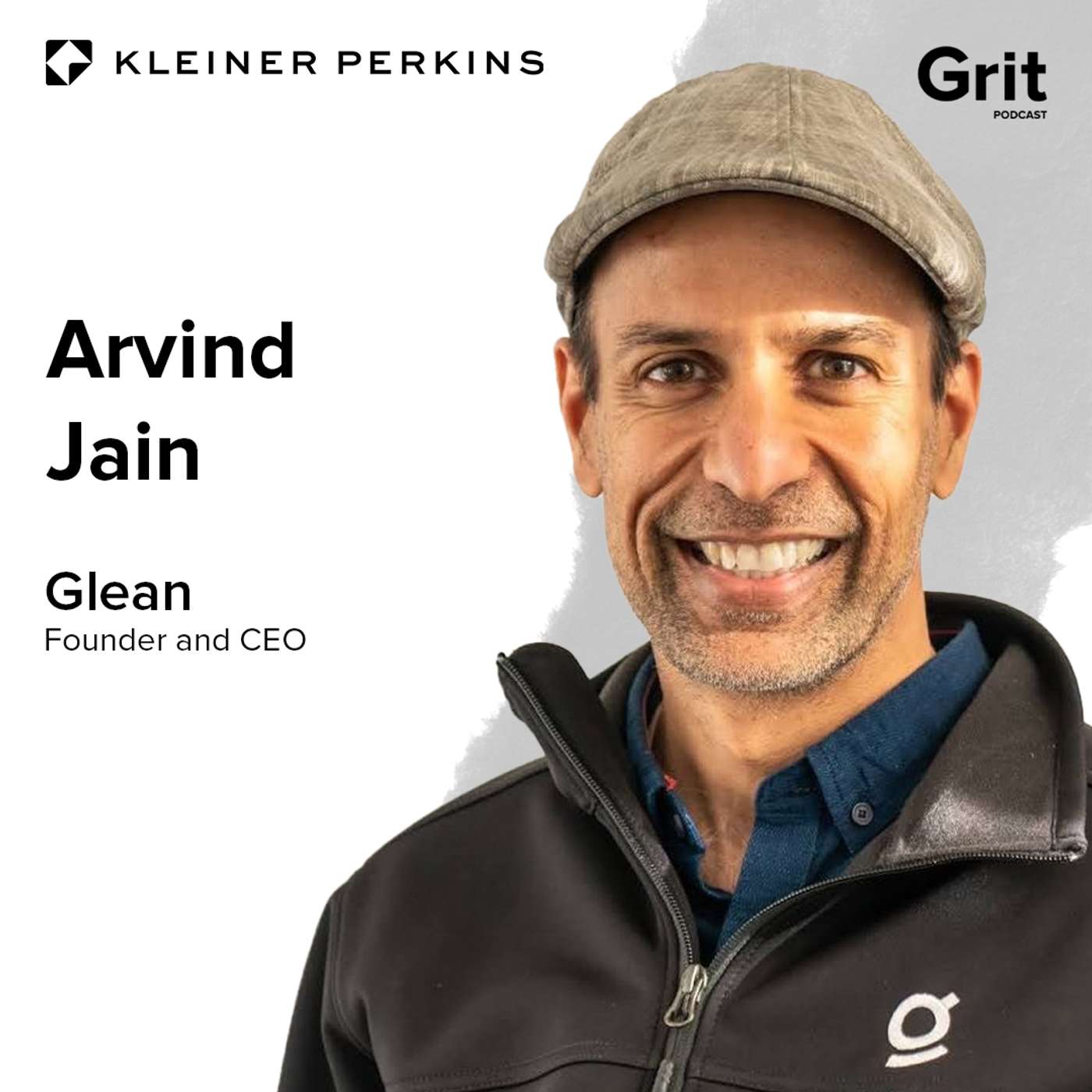
Glean has updated its interview process to screen for "AI fluency" across all departments. They don't expect expertise. Instead, they test for curiosity and initiative by asking candidates how they've personally used AI, looking for a mindset that embraces new ways of working.
When hiring AI PMs, prioritize "grit" over direct experience. A top candidate stood out not with AI credentials, but by independently watching hours of TikTok videos to deeply understand the target user, demonstrating proactive, sleeves-rolled-up research.