Get your free personalized podcast brief
We scan new podcasts and send you the top 5 insights daily.
Tariq Farid shares his grandfather's wisdom: "brawn to brain." In a company's early days, a founder's physical work ("brawn") is crucial. As it matures, their value shifts to wisdom, strategy, and system-building ("brain") to enable scale and prevent burnout.

Related Insights
After achieving repeatability, the founder/CEO has a 'second job.' They must stop building and selling the product themselves and start building the company that does it for them. This means shifting from being the PM of the product to becoming the PM of the company.

The ideal founder archetype starts with deep technical expertise and product sense. They then develop exceptional business and commercial acumen over time, a rarer and more powerful combination than a non-technical founder learning the product.
![David George - Building a16z Growth, Investing Across the AI Stack, and Why Markets Misprice Growth - [Invest Like the Best, EP.450] thumbnail](https://megaphone.imgix.net/podcasts/8da7dbd8-ceeb-11f0-941c-ef83bcdd4c9f/image/d44107bc94719f78fbe91befb141073e.jpg?ixlib=rails-4.3.1&max-w=3000&max-h=3000&fit=crop&auto=format,compress)
Conventional scaling crushes founders by making them hold everything. Instead, invert the model: create a supportive architecture where your frameworks hold your work, which in turn holds you. This 'nesting bowl' approach enables scaling without feeling responsible for holding everything yourself.
If your business stops the moment you do, burnout is an inevitable outcome of a flawed model. Use this exhaustion as a signal to build systems, delegate, or create passive income streams. This shifts the focus from personal endurance to creating a sustainable enterprise that can function without your constant presence.

A founder's role is constantly changing—from individual contributor to manager to culture builder. Success requires being self-aware enough to recognize you're always in a new, unfamiliar role you're not yet good at. Sticking to the old job you mastered is a primary cause of failure to scale.

Founder-led selling is essential for the first 6-12 months but becomes a critical growth bottleneck if it continues. Founders who can't let go create a self-fulfilling prophecy where the business can't scale beyond them. They must be coached to transition from being the primary seller to an enabler of the sales team.
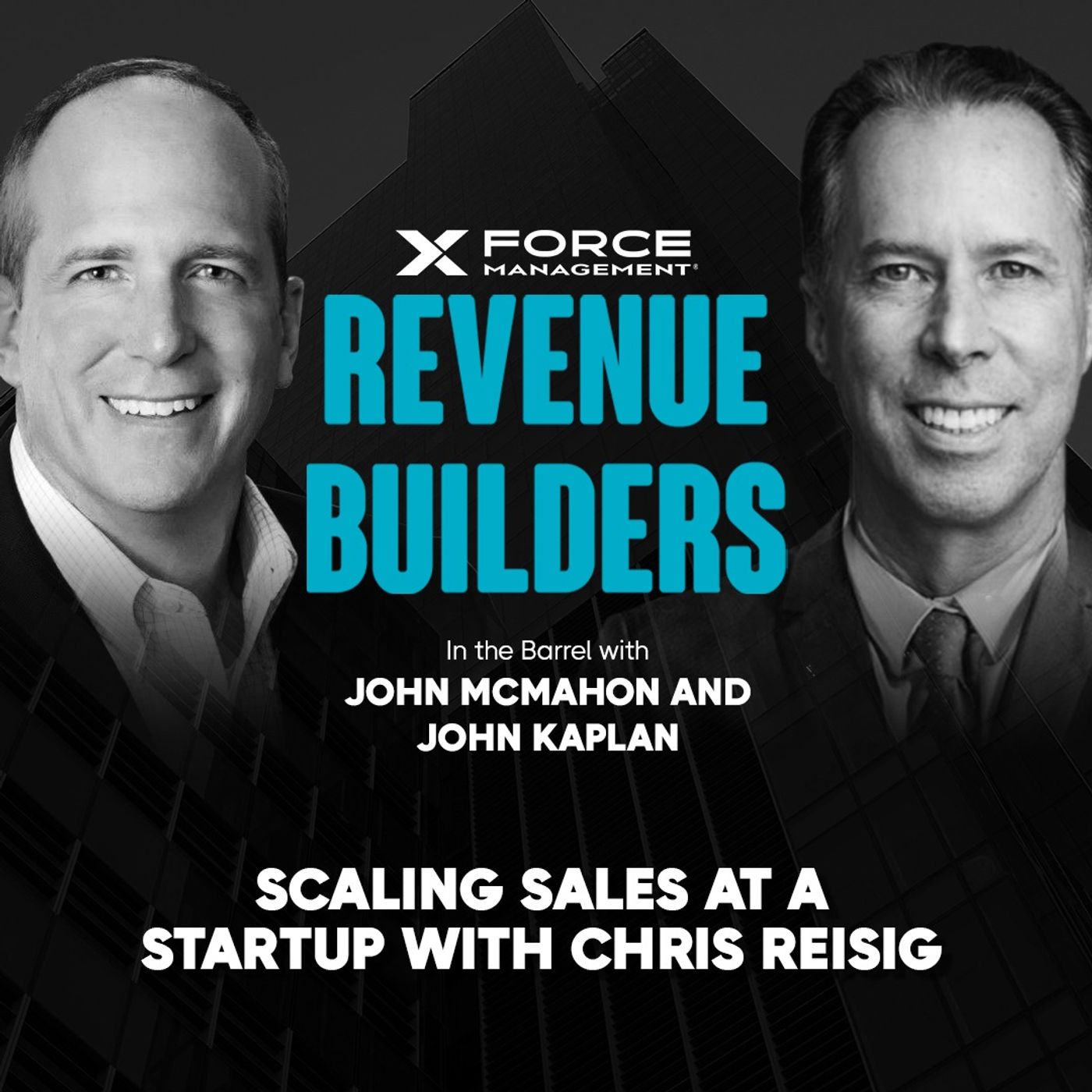
Daniel Ek uses the analogy of parenthood to describe a founder's evolving role. In the beginning, the company is completely dependent on the founder. Over time, like a child, it develops its own personality, and the founder's job shifts from direct control to guidance and support.

A critical inflection point for an entrepreneurial founder is deciding whether to be a 'projects guy' focused on individual deals or a 'business builder' focused on process, structure, and vision. These two paths are often in direct conflict, and choosing one is essential for scaling.
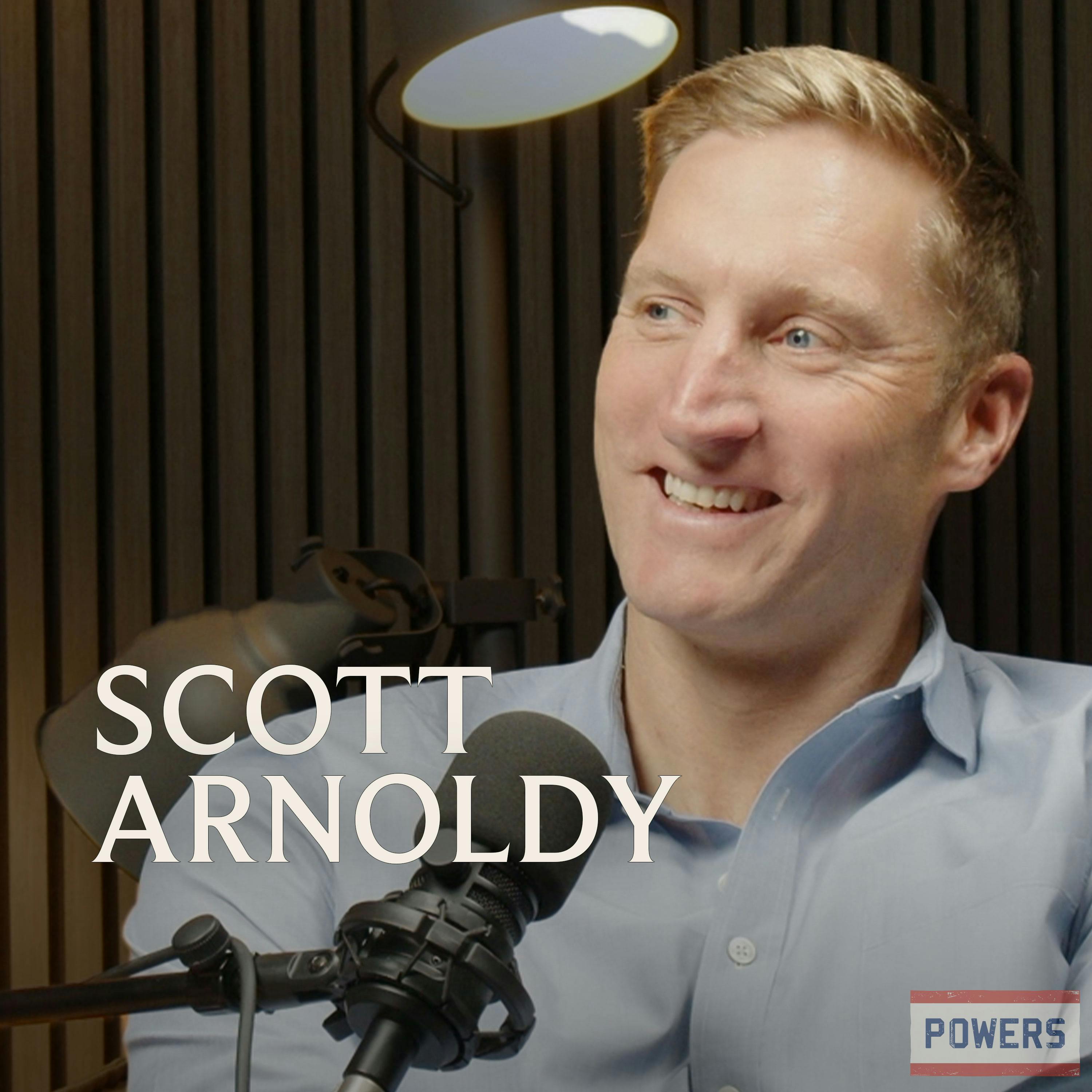
After eight years of grinding, the founder recognized he had taken the company as far as his skillset allowed. Instead of clinging to control, he proactively sought an external CEO with the business acumen he lacked, viewing the hire as a "life preserver" to rocket-ship the company's growth.

Bumble's founder believes the initial, all-consuming obsession is critical for getting a startup off the ground. However, this same intensity becomes a liability as the company matures. Leaders must evolve and create distance to gain the perspective needed for long-term growth and to avoid stifling opportunity.
