Get your free personalized podcast brief
We scan new podcasts and send you the top 5 insights daily.
Leno believes his "low self-esteem" is a professional advantage. By assuming he's not the smartest person in the room, he remains open to expert advice and empowers his team, fostering a culture where anyone can voice concerns for a better final product.

Related Insights
Diller suggests that not having innate confidence forced him to seek validation by pleasing others. This initial drive to prove his worth in others' eyes was the catalyst for his entire career trajectory, suggesting a lack of self-belief can be a powerful, paradoxical motivator.

Don't conflate confidence with self-assurance, which is the *accurate* assessment of one's skills. Many top performers downplay their expertise out of a false sense of humility. This incongruence can be misinterpreted by others as manipulation, confusion, or a risky inability to self-assess.

True self-awareness involves publicly admitting your weaknesses. By openly stating what you're bad at (e.g., 'I suck at 99% of things'), you build immense credibility and trust when you then declare your strengths. This approach validates your expertise in your core competencies.

To avoid influencing their team's feedback, leaders should adopt the practice of being the last person to share their opinion. This creates a psychologically safe environment where ideas are judged on merit, not on alignment with the leader's preconceived notions, often making the best decision obvious.

Harris suggests that feeling like an "imposter" isn't a flaw but can be a sign of leadership potential. It often stems from a deep, humble understanding of the seriousness of a role and the great responsibility one holds on behalf of others.

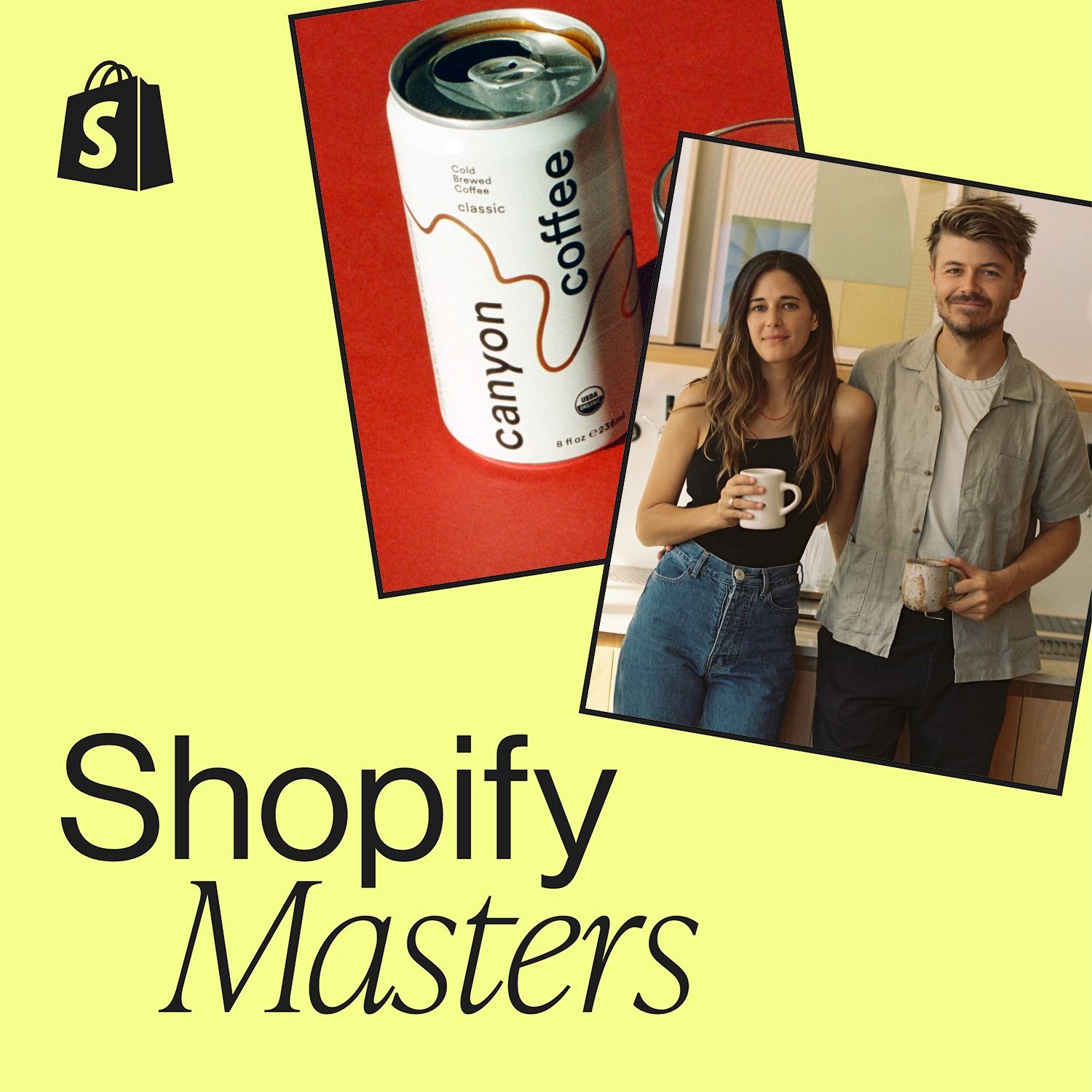
Instead of fighting imposter syndrome, Canyon Coffee's co-founder embraced it. He used the mindset of "not knowing anything" as a reason to stay curious and ask questions others wouldn't. This turned a common entrepreneurial fear into a powerful tool for growth and discovery.
The speaker views his lack of natural academic talent as a "superpower." This self-awareness forced him to abandon competing on raw intelligence and instead develop a more robust system of consistency and accountability, which ultimately proved more effective for long-term success.

To create a future-ready organization, leaders must start with humility and publicly state, "I don't know." This dismantles the "Hippo" (Highest Paid Person's Opinion) culture, where everyone waits for the boss's judgment. It empowers everyone to contribute ideas by signaling that past success doesn't guarantee future survival.

The self-doubt often felt by high-achievers isn't a debilitating flaw. It can motivate leaders to over-prepare, seek diverse expert opinions, and ultimately make more informed decisions, turning a perceived weakness into a strength.

People connect with humanity, not perfection. True leadership requires understanding your own narrative, including flaws and traumas. Sharing this story isn't a weakness; it's the foundation of the connection and trust that modern teams crave, as it proves we are all human.