Get your free personalized podcast brief
We scan new podcasts and send you the top 5 insights daily.
Deng Xiaoping's 1979 trip to the US rapidly dissolved America's Cold War antipathy towards China, creating a "love fest" that fundamentally reset the relationship. This event stands as the historical benchmark for a true inflection point, a feat that today's leaders aspire to but find difficult to achieve amid deeper conflicts.

Related Insights
High-level diplomatic meetings between US and Chinese leaders are largely performative, designed to create positive "mood music." The true, underlying relationship is defined by a deep and persistent lack of trust between the two nations' security apparatuses, which continues unabated.
Investors should prioritize the summit's diplomatic tone over tangible trade deals. Language indicating continued negotiation and future cooperation is the most critical signal for how the U.S.-China relationship will evolve, impacting long-term market sentiment more than minor concessions.

In 1978, Deng Xiaoping effectively staged a coup by keeping the Communist Party's branding while completely rewiring the country's economic system to a capitalist model. This pivotal but unacknowledged discontinuity from Maoism fueled China's modernization.

The US policy of engagement with China was viable only as long as China appeared to be on a path of reform and convergence. Xi Jinping's consolidation of power and abandonment of this reformist trend effectively killed the rationale for engagement, ushering in the current era of hostility.
China's economic ascent began when Deng Xiaoping invited American experts to teach them about capitalism. This strategy, combined with becoming the world's manufacturing hub, allowed them to learn the system, grow strong quietly, and eventually become a dominant global power.

The recent lack of anti-China rhetoric from the Trump administration, including zero mentions at the State of the Union, is a deliberate tactical truce. The goal is to stabilize relations and create a favorable environment for an upcoming presidential summit with Xi Jinping, which the administration wants to be a major success.

Expectations for the Trump-Xi summit are so low that preventing a complete collapse of talks is considered a positive outcome. After nearly triggering a global recession, the primary goal is stability, not a "grand bargain." The mere act of meeting is significant, as it marks the first visit by a US leader in nearly a decade, reframing success as crisis management.
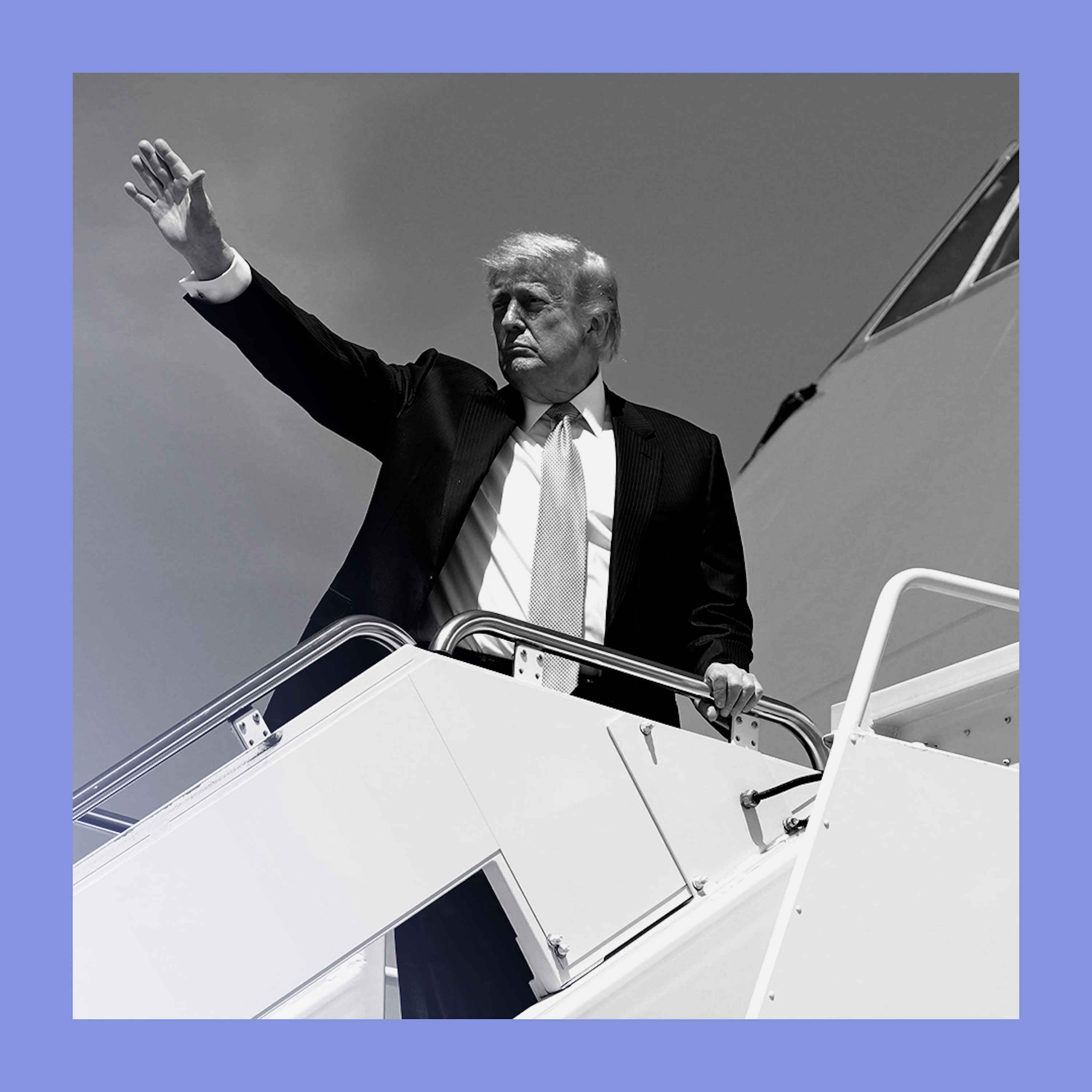
The Trump-Xi summit appeared successful because it carefully avoided substantive engagement on the most difficult issues like Taiwan and trade imbalances. By creating positive atmospherics and "kicking the can down the road" on intractable problems, both leaders could claim a victory without making real concessions.
Trump's effusive expressions of respect and friendship towards Xi Jinping, while potentially synthetic, effectively leveraged the Chinese leadership's desire for "mutual respect." This personal approach created a positive atmosphere, serving as a transactional tool to smooth diplomatic interactions.
The most effective way to prevent conflict between the US and China is to create mutual, bidirectional economic dependency. This involves significant US exports (planes, cars, chips) into China's consumer market, balancing the historical one-way flow of cheap goods and moving beyond political posturing.
