Get your free personalized podcast brief
We scan new podcasts and send you the top 5 insights daily.
As Vimeo fades, Substack's new TV app is poised to capture its original spirit as a destination for high-quality, curated content. Unlike algorithm-driven platforms, Substack can leverage its network of trusted, often paid, creators to build a high-signal video ecosystem, appealing to viewers seeking intentional content over random discovery.
Related Insights
While often viewed as separate media, YouTube is the #1 platform for both podcast consumption and TV viewership in the US. This dual dominance forces competitors like Netflix and Spotify to react by acquiring podcast video rights, revealing the battle for attention is converging on a single platform.
A16Z invested in Substack believing that providing writers with a monetization tool would unlock a new supply of high-quality content. This new supply would, in turn, create its own demand, rather than competing in the existing market for free content.
Despite mobile's dominance, platforms like YouTube and Instagram are focusing on TV apps. The larger screen commands higher-value "prestige" advertising, making the living room the most valuable real estate in media, even for podcasts, because that's where the most lucrative ad dollars are spent.
Ad-supported models (AVOD) create a complex system with creators, audiences, platforms, and advertisers, where someone is always losing. Subscription models (SVOD) simplify the business into a direct creator-to-audience relationship, making it more stable and sustainable.

Substack's new policy requiring readers to install its app to finish articles is a major strategic pivot. It moves the company away from its founding ethos of direct, unmediated creator-audience relationships via email and towards building a walled-garden social network, potentially at the expense of its creators.

Medium is no longer competing for professional content creators building media businesses. Instead, its CEO states the platform is focused on being the best place for "real people"—practitioners and individuals—to share valuable life and work lessons without the pressure of becoming a full-time writer.
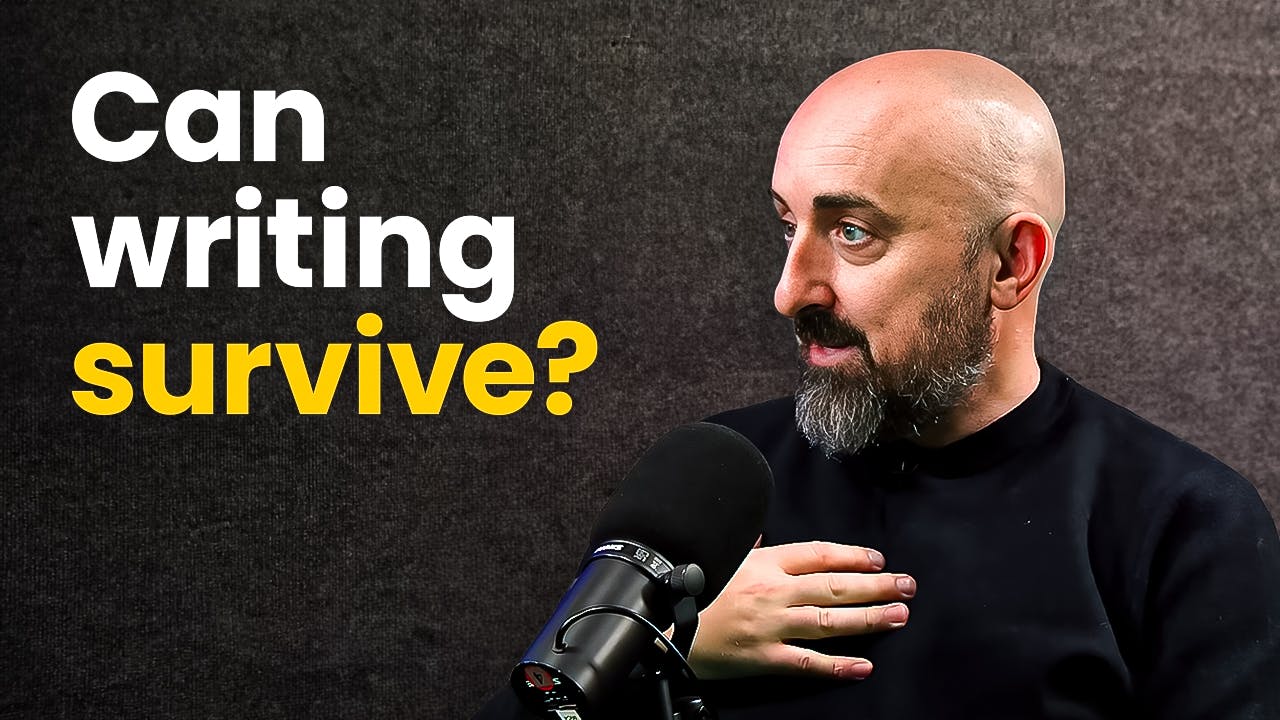
The push for intellectual podcasts like Freakonomics to become TV shows is driven less by audience discovery via clips and more by the creator's ambition for a richer, more complex communication medium. The challenge is whether heady, ideas-driven content benefits from the sensory richness of video.

X doesn't need to convince top writers to abandon platforms like Substack. Their goal is to get those writers to cross-post free content onto X, thereby capturing valuable long-form text and user attention without needing to replicate Substack's entire creator-friendly ecosystem.
The most successful YouTube content has shifted beyond simply providing information (like a history lesson) or grabbing attention (like a viral stunt). The current meta demands a unique creator perspective. Audiences now seek out a trusted personality's specific point of view, making it the key to longevity.
YouTube's AI-powered "Super Resolution" feature, which upscales low-res videos, is more than a technical fix. It's a strategic move to enhance the viewing experience on large TV screens. This positions YouTube to compete more directly with streaming services like Netflix for the premium, "lean-back" living room audience.