Get your free personalized podcast brief
We scan new podcasts and send you the top 5 insights daily.
Medium is no longer competing for professional content creators building media businesses. Instead, its CEO states the platform is focused on being the best place for "real people"—practitioners and individuals—to share valuable life and work lessons without the pressure of becoming a full-time writer.
Related Insights
Despite the lucrative potential, best-selling author Morgan Housel intentionally avoids a subscription model. He believes the pressure to consistently produce content for paying subscribers ("feed the ducks because they're quacking") creates a dangerous dynamic, forcing creators to publish even when they lack inspiration, which harms the work's quality.

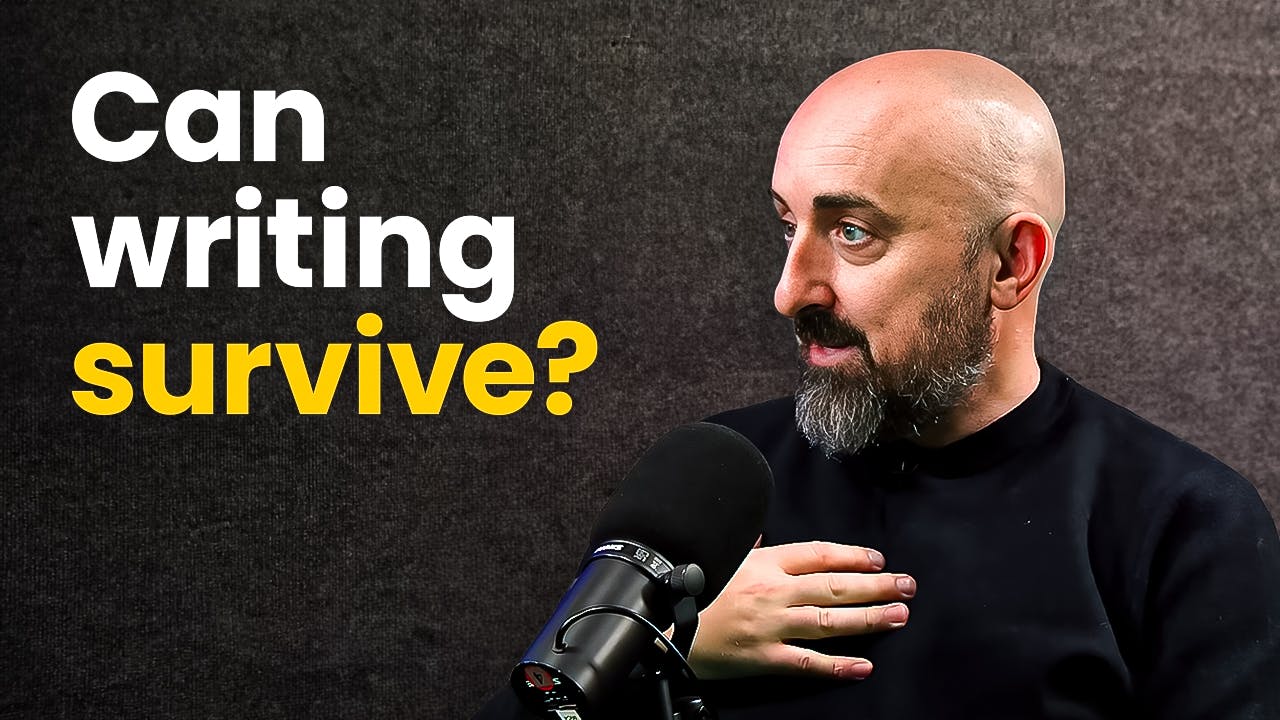
Medium's CEO argues that writing's future is secure because its core function is the process of structured thinking, not just content output. The act of articulating ideas reveals flaws and deepens understanding for the writer—a cognitive benefit that delegating to AI would eliminate.
The value of a large, pre-existing audience is decreasing. Powerful platform algorithms are becoming so effective at identifying and distributing high-quality content that a new creator with great material can get significant reach without an established following. This levels the playing field and reduces the incumbent advantage.
Substack's new policy requiring readers to install its app to finish articles is a major strategic pivot. It moves the company away from its founding ethos of direct, unmediated creator-audience relationships via email and towards building a walled-garden social network, potentially at the expense of its creators.
To attract top freelance talent, Escape Collective is testing a model that can pay more than Substack. They offer writers a base rate plus a share of the subscription revenue directly generated from their articles, aligning incentives and rewarding high-performing content.

While lucrative for top performers, being a content creator is fundamentally unscalable. The business is entirely dependent on the individual's daily effort and presence. If the creator stops producing content, the revenue stream disappears, creating a high-pressure 'prison' for the individual.

To break through the noise of modern influencer marketing, target less-obvious platforms. Instead of competing for attention on Instagram and TikTok, pitch YouTubers and Substack writers who receive fewer inquiries. This approach increases your chances of getting noticed and securing features without a budget.
Avoid building your primary content presence on platforms like Medium or Quora. These platforms inevitably shift focus from serving users to serving advertisers and their own bottom line, ultimately degrading reach and control for creators. Use them as spokes, but always own your central content hub.

Substack writer Emily Sundberg argues that platforms like Patreon are mistaken to poach established creators from rivals. A better growth strategy is to find underpaid, high-value talent within legacy media and provide them the support to launch their own ventures.

In the creator economy, success isn't always defined by venture-backed growth. Many top creators intentionally cap their audience size and reject outside investment to maintain full control over their business and content, defining success as a sustainable, manageable enterprise rather than a unicorn.
