Get your free personalized podcast brief
We scan new podcasts and send you the top 5 insights daily.
The current model of agentic search is 'pull-based,' where an agent queries the web for information. The next evolution will be 'push-based,' where the web infrastructure constantly monitors for changes and notifies agents when specific, actionable events occur, triggering new work.
Related Insights
Demis Hassabis envisions a future internet where users' AI assistants negotiate directly with service providers' agents to book flights, make payments, and handle other tasks. This shift to an 'agent-to-agent' economic model will automate mundane work and fundamentally disrupt the current web's structure.

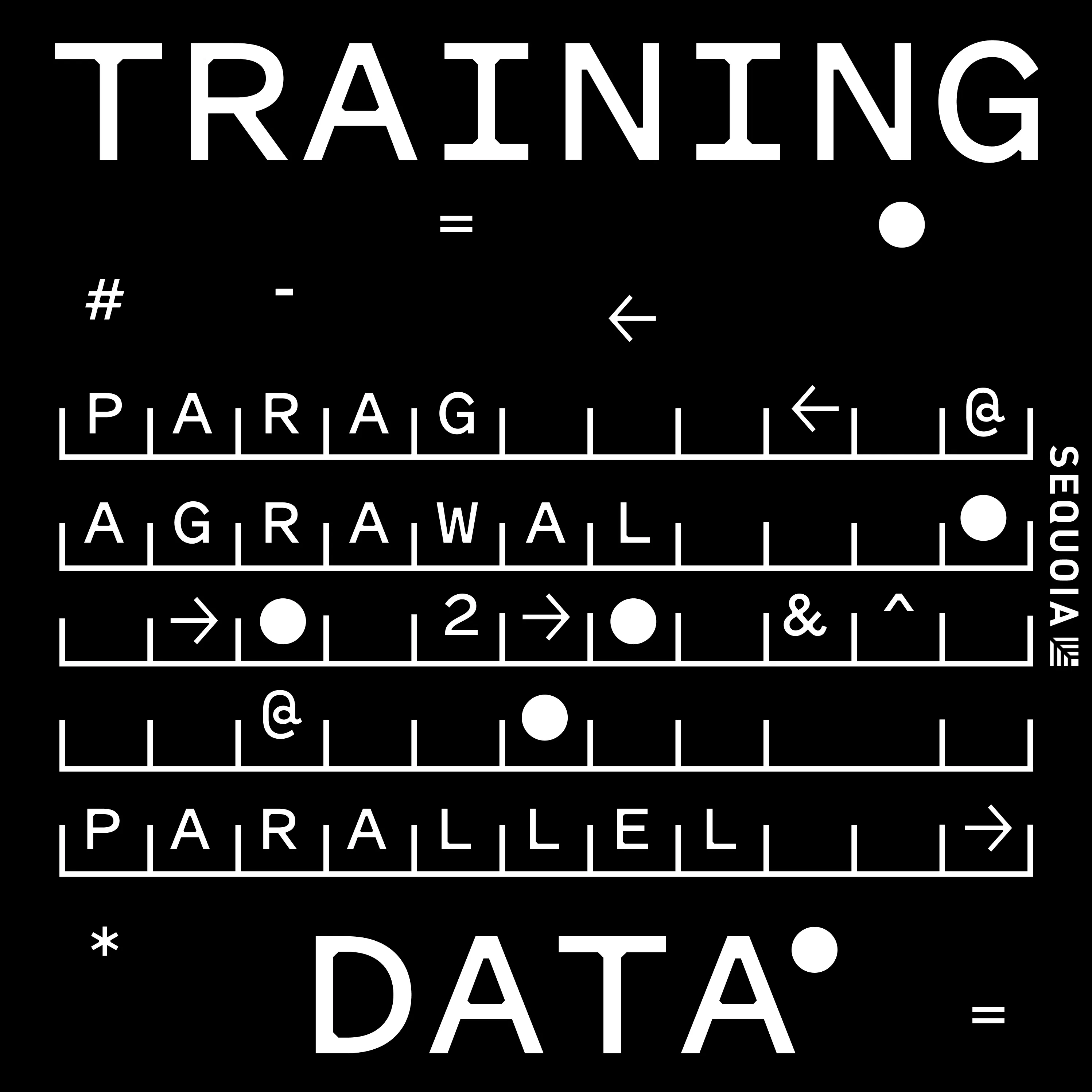
A new wave of startups, like ex-Twitter CEO's Parallel, is attracting significant investment to build web infrastructure specifically for AI agents. Instead of ranking links for humans, these systems deliver optimized data directly to AI models, signaling a fundamental shift in how the internet will be structured and consumed.

The most valuable AI agents don't wait for user queries. The real breakthrough comes when agents shift from a reactive, pull-based model to a proactive, push-based one, like automatically delivering a daily summary. This eliminates user friction and makes the agent feel indispensable.

Google is integrating AI agents directly into search, allowing users to create ongoing tasks like monitoring apartment listings. This transforms search from a tool for one-time information retrieval into a persistent service that works 24/7, a fundamental shift in its core function and user interaction model.

AI agents are becoming the dominant source of internet traffic, shifting the paradigm from human-centric UI to agent-friendly APIs. Developers optimizing for human users may be designing for a shrinking minority, as automated systems increasingly consume web services.

A significant shift in web development is prioritizing "agent-friendly" architectures with easily crawlable endpoints. This anticipates a future where AI agents are the primary visitors, performing tasks like data analysis and automated purchasing, requiring websites to be optimized for machine consumption over human interaction.

The evolution of AI is moving beyond task assistance to autonomous action. Soon, agents will anticipate needs and execute tasks, like resolving a cable outage, without human intervention, making current web interfaces obsolete.

A key capability is creating skills that continuously search the web, Reddit, and X for the latest techniques on a topic. The agent then incorporates this new knowledge to improve its future outputs and stay current.
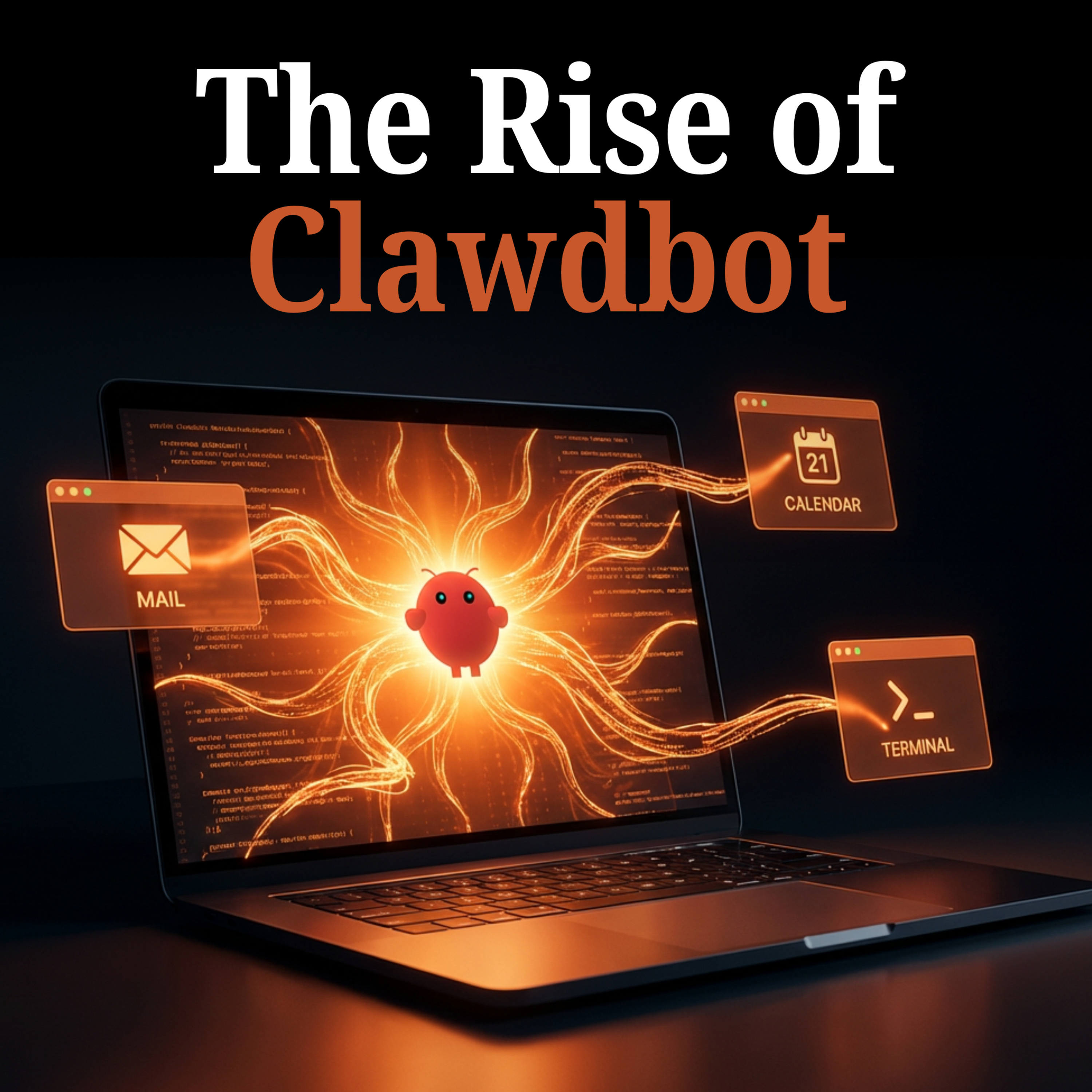
The era of prompt engineering is ending. The future is proactive AI agents working in the background to surface critical information. These agents will automatically monitor for and alert teams to competitor launches, new patent filings, and regulatory changes, shifting from a manual 'pull' to an automated 'push' model of intelligence.

The nature of Retrieval-Augmented Generation (RAG) is evolving. Instead of a single search to populate an initial context window, AI agents are now performing numerous concurrent queries in a single turn. This allows them to explore diverse information paths simultaneously, driving new database requirements.