Get your free personalized podcast brief
We scan new podcasts and send you the top 5 insights daily.
Organized crime has evolved from simple theft to complex corporate schemes. One group purchased a legitimate freight brokerage, used it to win contracts, loaded trucks with $7 million of product in a single day, and then dissolved the company, showcasing a new level of criminal sophistication.

Related Insights
When cities stop prosecuting crimes like shoplifting under the assumption it's driven by poverty, they inadvertently create a lucrative market for organized crime. Sophisticated gangs exploit this leniency to run large-scale theft operations, harming the community more than the original policy intended to help.

Organized crime in Latin America is evolving as drug gangs diversify their portfolios into human trafficking. They repurpose existing infrastructure, such as corrupt official contacts and money laundering networks built for the cocaine trade, to run these new operations. This strategic shift has turned previously separate criminal networks into interconnected 'best friends.'
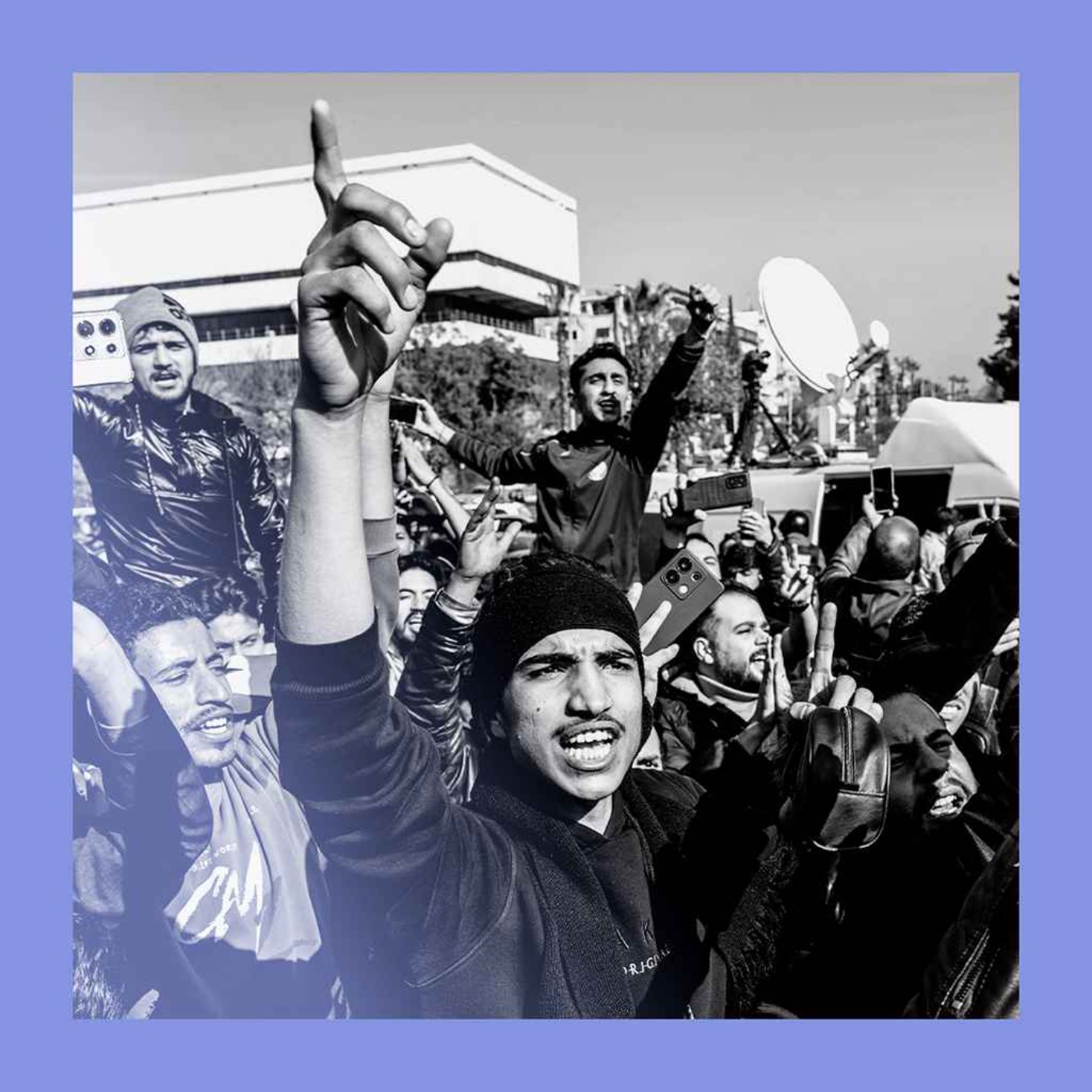
The massive Minnesota fraud scheme was propped up by a network of fake "non-emergency transportation" companies. These entities created fraudulent logs of transporting non-existent clients between fake facilities, providing a seemingly legitimate paper trail that made the core fraud much harder for authorities to detect.

A novel form of organized crime involves gangs buying small, established freight forwarding businesses. They leverage the company's legitimate reputation to take possession of high-value shipping containers, steal the goods, and then promptly shut down the business and disappear, making the crime nearly untraceable.

An FBI agent's memoir reveals that a cartel's linchpin is not the smuggler but the business-savvy launderer. These white-collar professionals devise complex schemes, like trading drug money for legitimate goods like cigarettes, to make illicit profits usable. This financial engineering is the most vital part of the operation.

Auto parts company FBG funded its acquisition spree with a sophisticated fraud using "invoice factoring," a corporate version of a payday loan. By selling the same tranche of invoices to multiple private creditors, it illegitimately raised funds, leading to a collapse with $2.3 billion unaccounted for.

Drug trafficking has shifted from vertically integrated cartels to a fluid network of specialized subcontractors. This model, similar to tech manufacturing, makes the supply chain more resilient to disruption and fosters innovation in cultivation, smuggling, and money laundering, making it harder for law enforcement to disrupt.
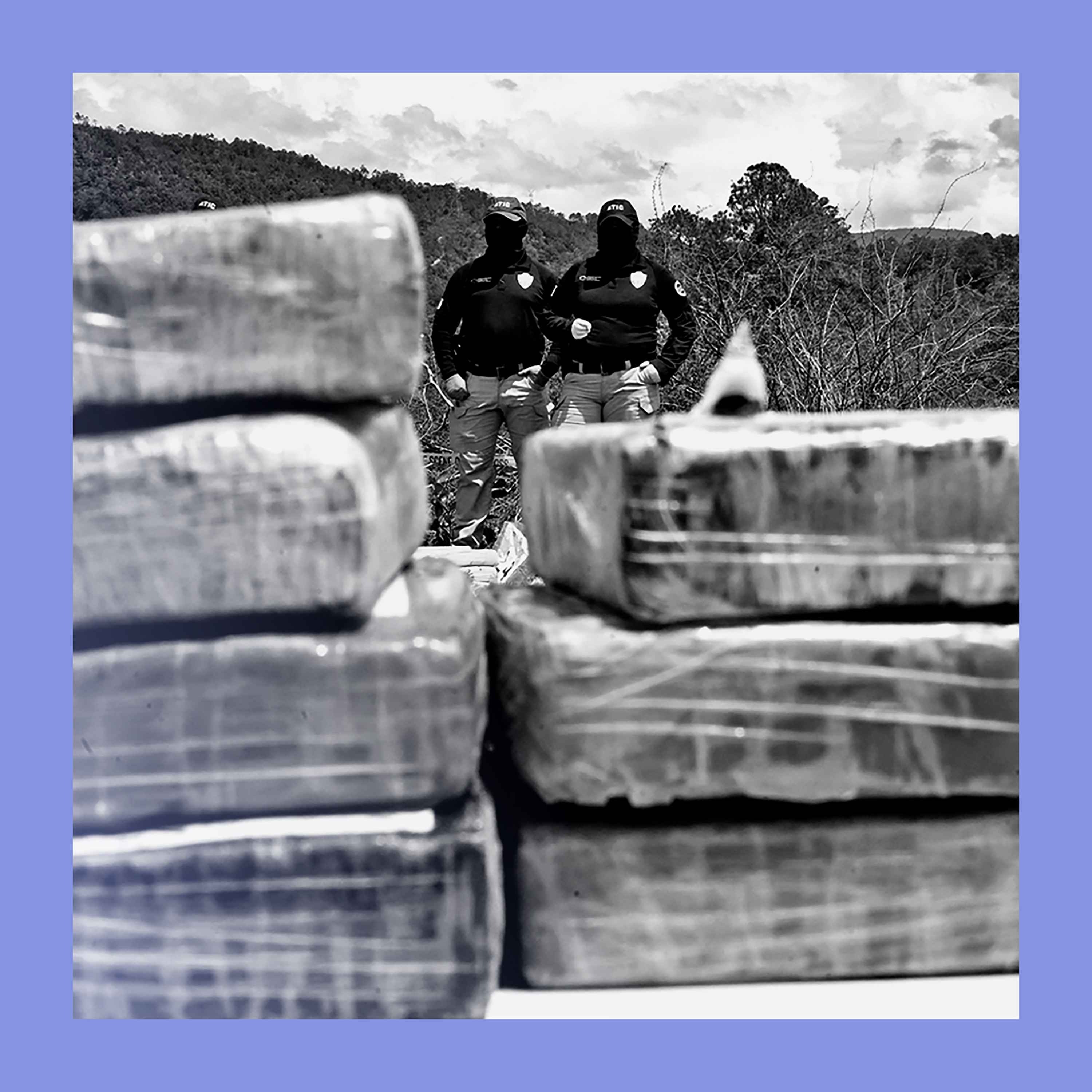
Organized retail crime has evolved beyond shoplifting. Langley describes an Eastern European group that purchased a real freight brokerage, used it to secure large shipping contracts, loaded a truck with $7 million in goods in a single day, and then vanished after dissolving the company.

Large-scale fraud operates like a business with a supply chain of specialized services like incorporation agents, mail services, and accountants. While some tools are generic (Excel), graphing the use of shared, specialized infrastructure can quickly unravel entire fraud networks.
The Jalisco New Generation Cartel's power stems from its diversified criminal portfolio. Beyond drug trafficking, it engages in fuel theft, extortion, and even timeshare fraud. This broad business model, combined with its presence in all 32 Mexican states, makes it a uniquely powerful and complex criminal organization.
