Get your free personalized podcast brief
We scan new podcasts and send you the top 5 insights daily.
Headlines about massive government contracts are misleading. Anduril's $20B deal is not obligated money but a pre-approved spending ceiling. It acts as a 'fast track' by removing initial procurement friction, but revenue is only recognized as individual orders are placed and products are actually delivered.

Related Insights
Describing GovTech revenue as 'annually recurring' is misleading because government contracts are often legally prohibited from extending beyond a political administration's term. This makes traditional SaaS valuation models based on ARR fundamentally flawed for the GovTech space, forcing a different approach for founders and investors.

Unlike traditional contractors paid for hours, Anduril invests its own capital to build products it believes the government needs. This model incentivizes speed and effectiveness, as profit is tied to successful products, not billable hours. This shifts the financial risk from the taxpayer to the company.
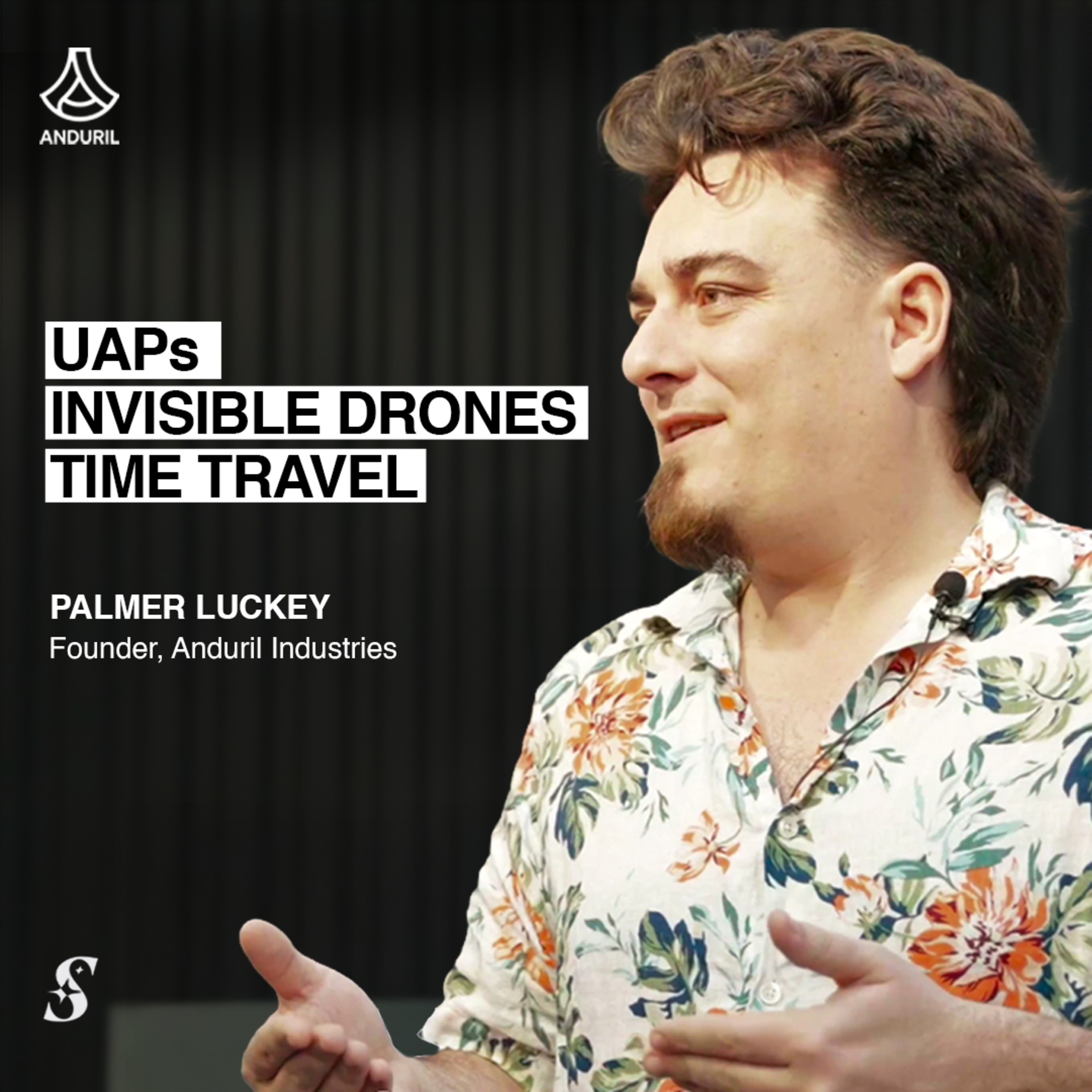
Unlike traditional contractors paid for time and materials, Anduril invests its own capital to develop products first. This 'defense product company' model aligns incentives with the government's need for speed and effectiveness, as profits are tied to rapid, successful delivery, not prolonged development cycles.

To navigate rigid government procurement rules, Anduril adapts its business model to the customer's available budget type, or 'color of money'. If a customer can only spend on services, Anduril will structure a deal as a service-level agreement (SLA) with KPIs, rather than selling hardware or software directly.
Many defense startups fail despite superior technology because the government isn't ready to purchase at scale. Anduril's success hinges on identifying when the customer is ready to adopt new capabilities within a 3-5 year window, making market timing its most critical decision factor.
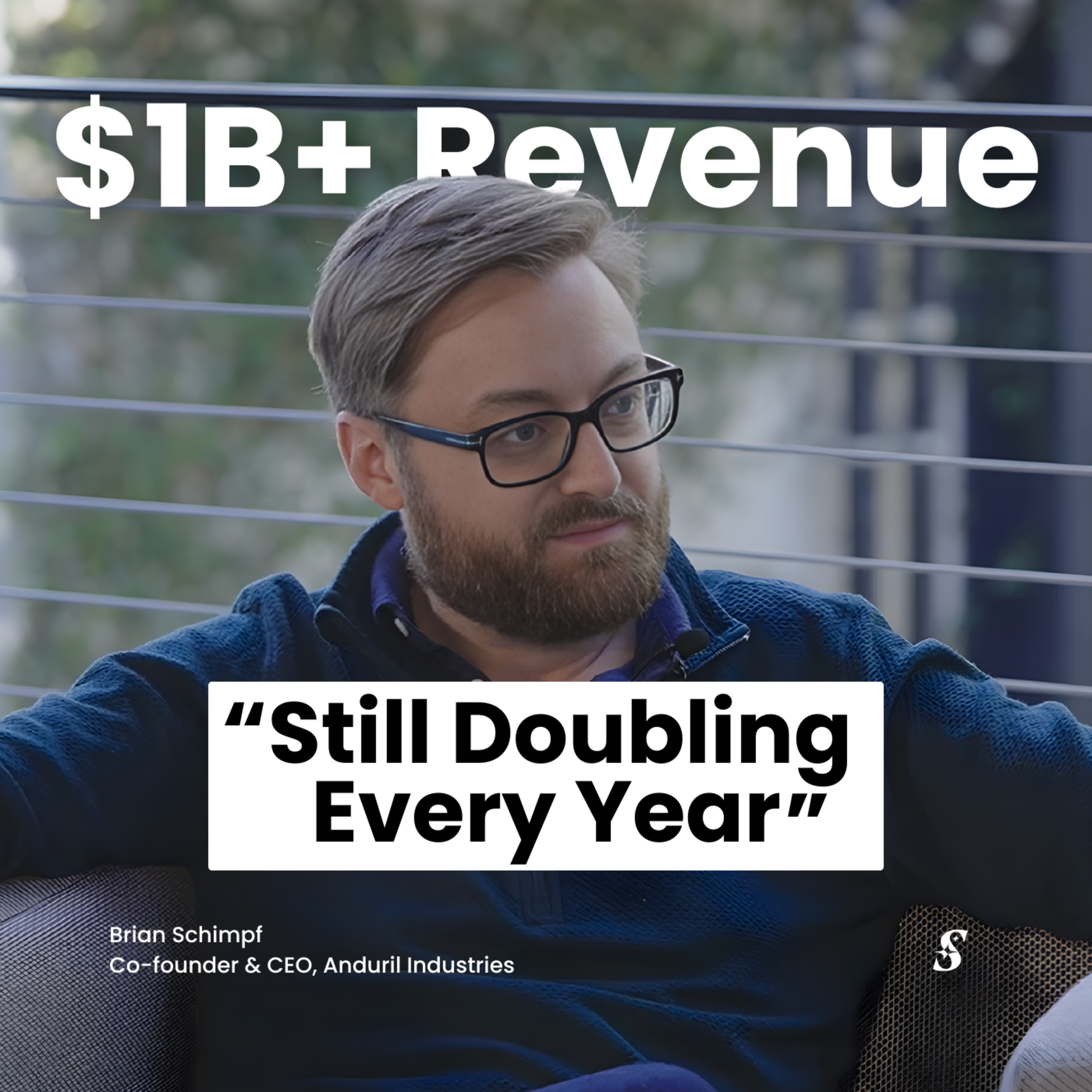
Anduril advocates for performance-based contracts, a controversial model in government where payment is contingent on the product working. This forces internal accountability and aligns their interests with the customer's, contrasting with traditional cost-plus models that place all risk on the government.
Defense tech firm Anduril's talks to raise funds at a $60 billion valuation reflect its ambition to become a "prime" contractor. The company is no longer just a disruptive upstart; it's actively trying to join the exclusive group of legacy giants like Raytheon and Lockheed that dominate government contracts.

The product development J-curve in defense is brutal. Even at Anduril's accelerated pace, it takes 3-5 years and well over $100 million in investment for a single product line to go from concept to rate production and begin generating positive returns. This necessitates killing unpromising ideas very early.
Unlike SaaS, defense and manufacturing startups must build physical products. Investors now scrutinize the "production lag"—the time from contract win to revenue recognition—as a key performance metric. This lag can obscure a company's true health if only looking at top-line contract values.

Anduril isn't looking to acquire and fix struggling defense startups. Their acquisition sweet spot is a company with a strong engineering team and a unique product that is struggling with go-to-market. Anduril provides the capital and, more importantly, the infrastructure (legal, government relations, sales) to accelerate an already-great product.
