Get your free personalized podcast brief
We scan new podcasts and send you the top 5 insights daily.
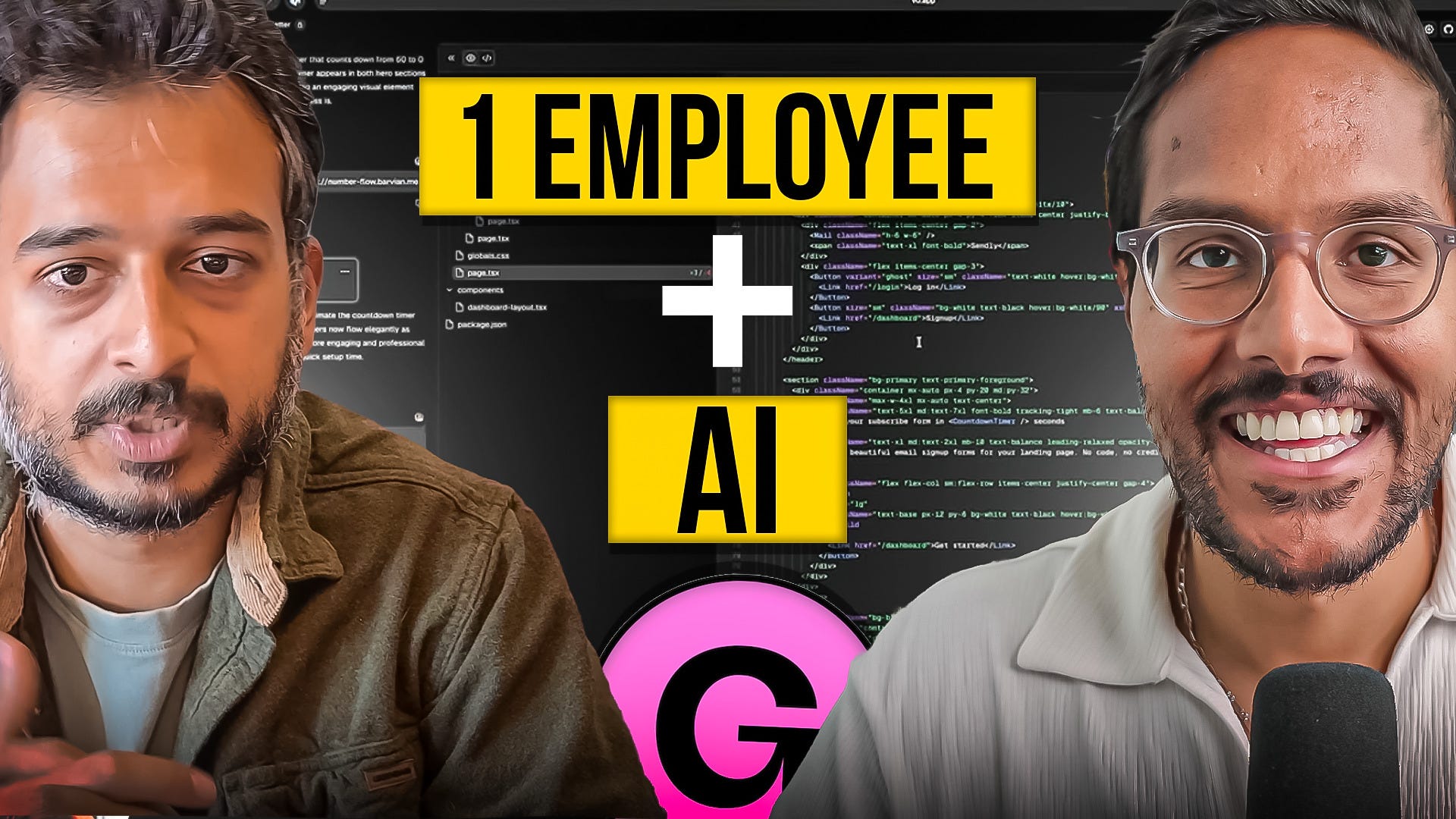
Gumroad's CEO credits their rapid development to his role as a solo decision-maker. This structure eliminates the lengthy processes of gaining internal buy-in and creating extensive documentation (PRDs, specs) common in larger organizations, which are often more about alignment than execution.
Related Insights
CEO Dylan Field combats organizational slowness by interrogating project timelines. He seeks to understand the underlying assumptions and separate actual work from "well-intentionally added" padding. This forces teams to reason from first principles and justify the true time required, preventing unnecessary delays.

The V0 team operates with minimal product management oversight, empowering product-minded engineers (often ex-founders) to make 95% of product decisions directly. This sacrifices potentially "perfect" choices for a dramatic increase in development velocity.

Effective leadership in a fast-moving space requires abandoning the traditional org chart. The CEO must engage directly with those closest to the work—engineers writing code and salespeople talking to customers—to access unfiltered "ground truth" and make better decisions, a lesson learned from Elon Musk's hands-on approach.

In an AI-driven world, product teams should operate like a busy shipyard: seemingly chaotic but underpinned by high skill and careful communication. This cross-functional pod (PM, Eng, Design, Research, Data, Marketing) collaborates constantly, breaking down traditional processes like standups.
The team avoids traditional design reviews and handoffs, fostering a "process-allergic" culture where everyone obsessively builds and iterates directly on the product. This chaotic but passionate approach is key to their speed and quality, allowing them to move fast, make mistakes, and fix them quickly.
At Crisp.ai, the core value is that the best argument always wins, regardless of who it comes from—a new junior employee or the company founder. This approach flattens hierarchy and ensures that the best ideas, which often originate from those closest to the product and customers (engineers, PMs), are prioritized.
To maximize speed, V0 operates with a "no handoffs" philosophy. Everyone, including designers and product managers, is expected to contribute code and submit their own pull requests. This "full-stack PM" model minimizes the coordination costs and wasted cycles of explaining changes.
Contrary to the popular bottoms-up startup ethos, a top-down approach is crucial for speed in a large organization. It prevents fragmentation that arises from hundreds of teams pursuing separate initiatives, aligning everyone towards unified missions for faster, more coherent progress.
To launch new products and compete with agile startups, embed a small "incubation seller" team directly within the technology organization. This model ensures tight alignment between product, engineering, and the first revenue-generating efforts, mirroring the cross-functional approach of an early-stage company.

The AMP team is small and agile, bypassing traditional processes like code reviews to ship 15 times a day. They leverage Sourcegraph's customer trust, revenue, and platform teams (e.g., security), allowing the core team to focus purely on product velocity and radical innovation.
