Get your free personalized podcast brief
We scan new podcasts and send you the top 5 insights daily.
Trae Stephens of Anduril argues the best companies are built like the X-Men. They are composed of individuals with deep, 'spiky' expertise in one area who cover for each other's weaknesses, rather than a team of jacks-of-all-trades.
Related Insights
Greg Jackson, founder of Octopus Energy, seeks "T-shaped" employees. This model values individuals who possess deep expertise in one specific area (the T's vertical bar) while also having the broad, adjacent knowledge to collaborate across functions (the horizontal bar).

Being a well-rounded 'jack of all trades' means you're not great at anything. The highest performers become 'tip of the spear' specialists. They identify the single activity that gives them energy and makes money, focus 80% of their time there, and deliberately ignore or outsource the rest.

Most founders hire senior talent by looking for a lack of weakness. A better approach is to first define the single most critical superpower the role requires. Then, search for a candidate who is a superstar at that one thing, even if they have deficiencies elsewhere.

Instead of being a generalist, the best way to stay valuable is by combining deep skills. For example, a PM who can also design, or an engineer who is highly product-minded, becomes a "unicorn" in an AI-augmented team. This interdisciplinary spike makes you far more valuable and less replaceable.
Instead of multitasking, elite performers identify their single greatest talent (e.g., storytelling, coding, sales) and go all-in on it. They then build a team not just to delegate tasks, but to specifically scale and amplify that one core function, creating massive leverage from a single, focused skill.
To build a resilient design team for the AI era, focus on three profiles: 'block-shaped' generalists with multiple core skills, deep T-shaped specialists who are top 10% in their field, and highly motivated new graduates who can learn quickly without the baggage of old processes.

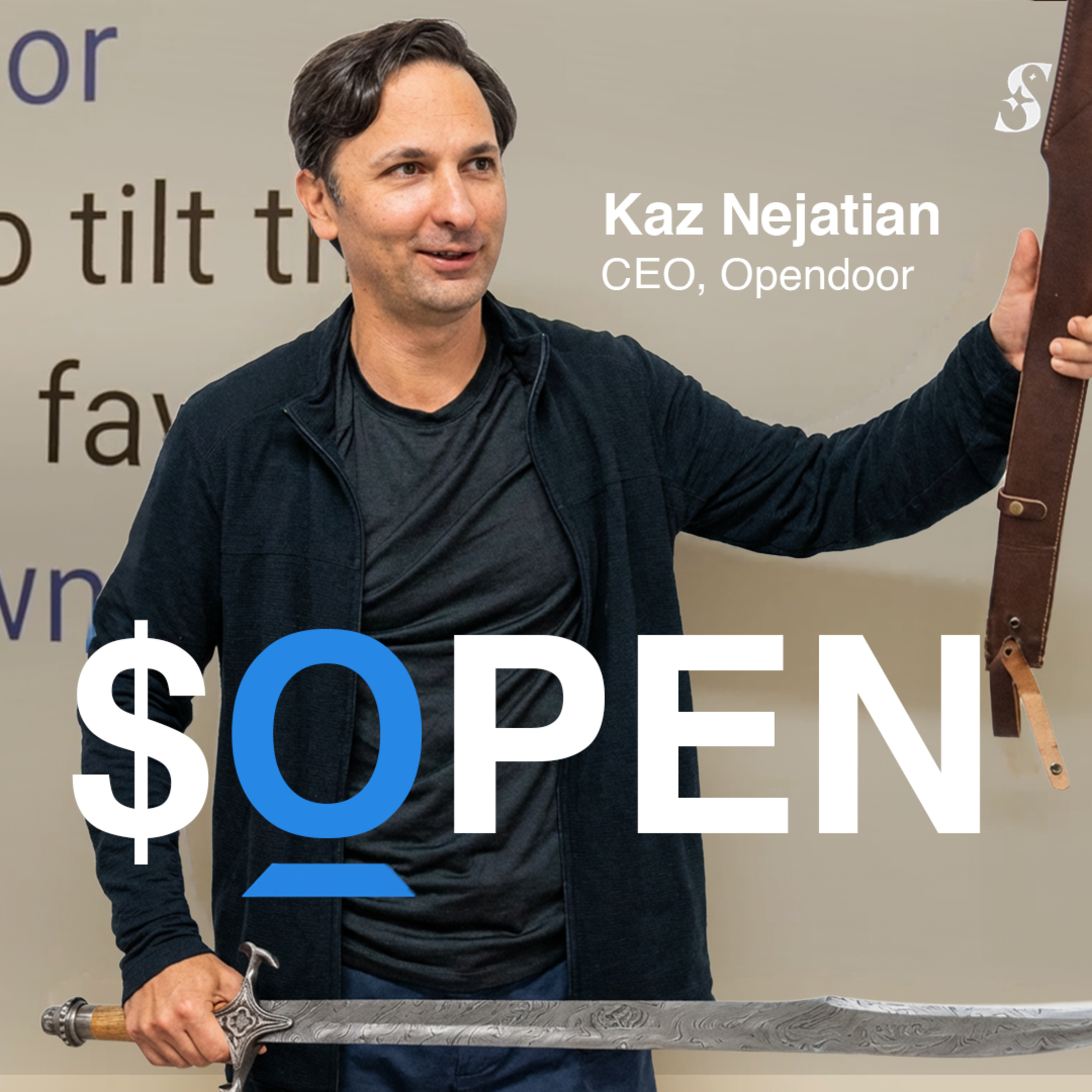
Rather than trying to become a well-rounded, traditional leader, Opendoor's CEO focuses on sharpening his unique "edges." He then surrounds himself with people who are "edgy" in complementary ways, creating a balanced team of focused experts rather than a bland group of generalists.
Instead of hiring well-rounded generalists, Wealthsimple's design leadership looks for a unique, standout strength (a 'spike') in every candidate. This creates a more diverse and high-performing team, akin to a sports team with specialized player roles.
An effective founding team isn't a group of well-rounded generalists. It's better to assemble specialists with deep, complementary skills and even significant weaknesses. The unifying factor isn't identical profiles, but a foundation of shared values and trust.

The most important job of a leader is team building. This means deliberately hiring functional experts who are better than the CEO in their specific fields. A company's success is a direct reflection of the team's collective talent, not the CEO's individual brilliance.
