Get your free personalized podcast brief
We scan new podcasts and send you the top 5 insights daily.
To build a resilient design team for the AI era, focus on three profiles: 'block-shaped' generalists with multiple core skills, deep T-shaped specialists who are top 10% in their field, and highly motivated new graduates who can learn quickly without the baggage of old processes.

Related Insights
Greg Jackson, founder of Octopus Energy, seeks "T-shaped" employees. This model values individuals who possess deep expertise in one specific area (the T's vertical bar) while also having the broad, adjacent knowledge to collaborate across functions (the horizontal bar).

Since modern AI is so new, no one has more than a few years of relevant experience. This levels the playing field. The best hiring strategy is to prioritize young, AI-native talent with a steep learning curve over senior engineers whose experience may be less relevant. Dynamism and adaptability trump tenure.
Lovable is moving away from the specialist, cross-functional squad model popularized by companies like Spotify, believing it creates decision-making bottlenecks. Instead, they hire "high slope" generalists with broad skills and good judgment who can own projects from start to finish, using AI to fill gaps.
Simply hiring superstar "Galacticos" is an ineffective team-building strategy. A successful AI team requires a deliberate mix of three archetypes: visionaries who set direction, rigorous executors who ship product, and social "glue" who maintain team cohesion and morale.

At Goodfire AI, a "Member of Technical Staff" is a highly generalist role. Early employees must be "switch hitters," tackling a mix of research, engineering, and product development, highlighting the need for versatile talent in deep-tech startups.
When building core AI technology, prioritize hiring 'AI-native' recent graduates over seasoned veterans. These individuals often possess a fearless execution mindset and a foundational understanding of new paradigms that is critical for building from the ground up, countering the traditional wisdom of hiring for experience.

The traditional tech team structure of separate product, engineering, and design roles is becoming obsolete. AI startups favor small teams of 'polymaths'—T-shaped builders who can contribute across disciplines. This shift values broad, hands-on capability over deep specialization for most early-stage roles.
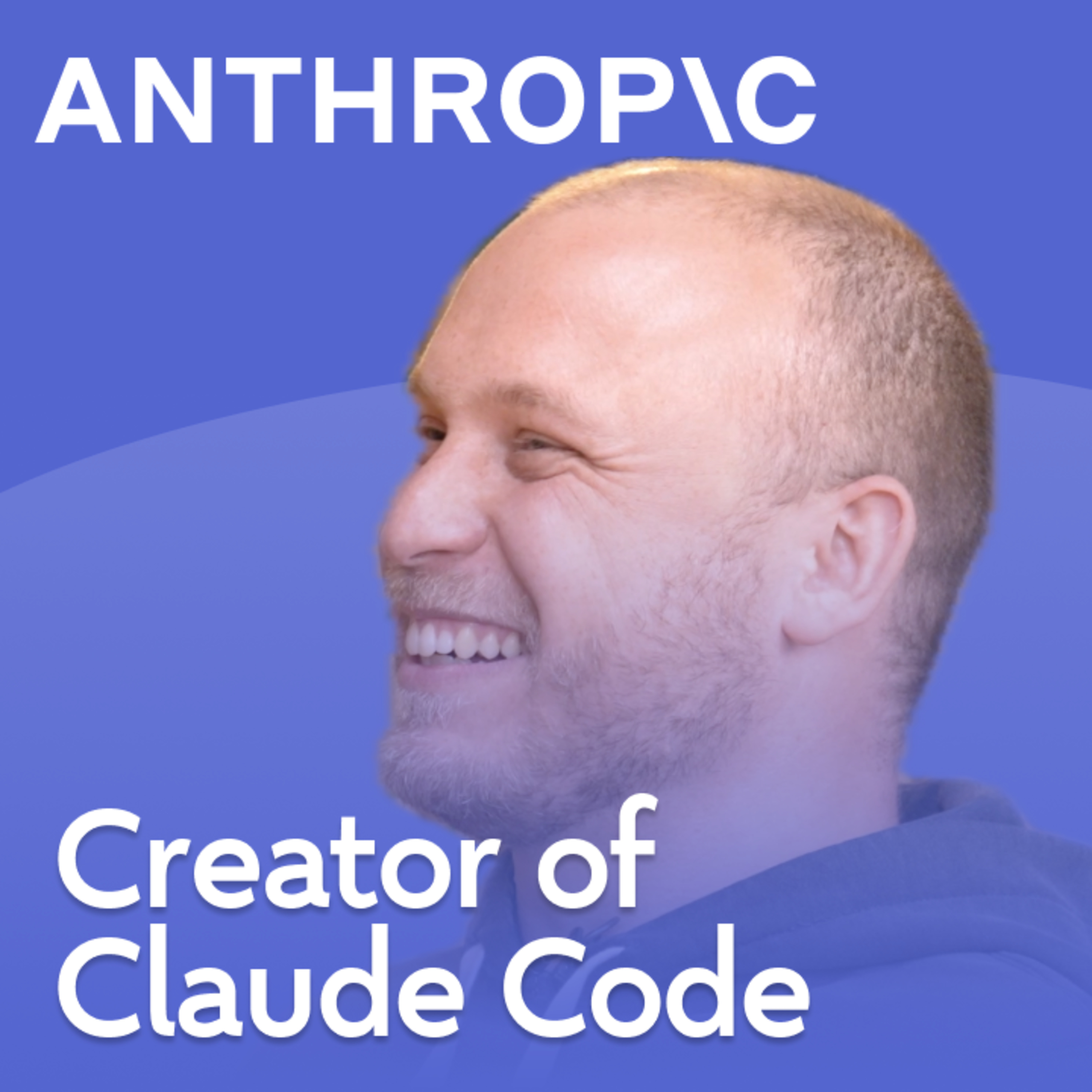
The creator of Claude Code prioritizes hiring generalists who possess skills beyond coding, such as product sense and a desire to talk to users. This 'full-stack' approach, where even PMs and data scientists code, fosters a more effective and versatile team.
For cutting-edge AI problems, innate curiosity and learning speed ("velocity") are more important than existing domain knowledge. Echoing Karpathy, a candidate with a track record of diving deep into complex topics, regardless of field, will outperform a skilled but less-driven specialist.

Top engineers are no longer just coding specialists. They are hybrids who cross disciplines—combining product sense, infrastructure knowledge, design skills, and user empathy. AI handles the specialized coding, elevating the value of broad, system-level thinking.