Get your free personalized podcast brief
We scan new podcasts and send you the top 5 insights daily.
Drawing on the example of a new Hugo Boss CEO, a powerful leadership move is to grant trust to a new team immediately rather than waiting for it to be earned. By stating, "I'm trusting you," a leader invites reciprocity and can bypass a lengthy period of uncertainty, accelerating team performance.

Related Insights
Leaders often project strength during turmoil, but this can create distance. Being vulnerable—admitting uncertainty—builds connection faster. When leaders show they trust employees with their own concerns, employees reciprocate that trust. It's an emotional, not logical, process.

When entering a new leadership role, especially in an unfamiliar culture, bypassing small talk for direct questions builds trust quickly. Asking "What's working? What's not?" opens up dialogue and gets to the core issues, creating a foundation for healthy tension and transparency.

Trust is not a given; it's the outcome of being trustworthy. Leaders build this by consistently demonstrating accountability, transparency, and a willingness to receive feedback. The focus should be on modeling trustworthy behavior, which in turn inspires the team's confidence.

For new teams needing to collaborate quickly, adopt "swift trust" by assuming competence and good intent from the start. This approach is only effective when paired with active monitoring for trust breakdowns and a commitment to addressing and repairing them immediately.
When Jane Fraser moved to run Citi's mortgage business in Missouri, she earned her team's trust not with a speech, but by moving her family and sharing a relatable story about her son's culture shock. This showed her team she was truly invested.

Deviating from Shopify CEO Tobi Lütke's model of starting at 50% trust, Opendoor CEO Kaz Nejatian starts people at 75%. This high initial trust empowers new team members to take meaningful risks from day one, though the trade-off is that this trust depletes much faster.

To get honest feedback as a new leader, Jill Kramer had her leadership team discuss her for 90 minutes without her present. This exercise provided crucial, unfiltered insights on her performance and what the team needed from her, accelerating trust.
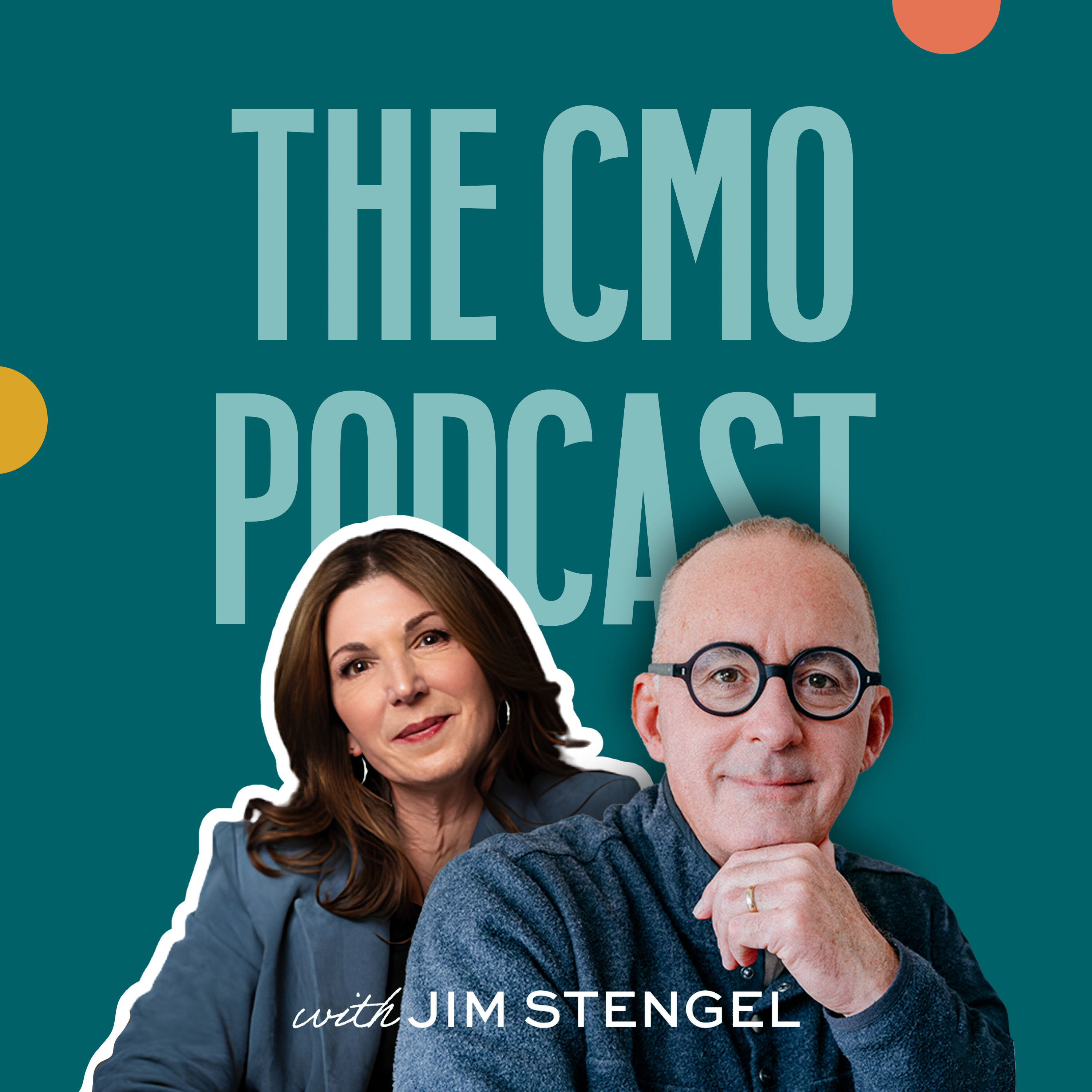
Counter to conventional wisdom, Vaynerchuk advises leaders to give trust freely from the start. This approach, rooted in self-esteem rather than fear, fosters kindness and psychological safety. People should have to earn their way *out* of your trust, not into it.

When stepping into a senior role, especially at a young age, the priority isn't to exert authority. Instead, focus on humility: meet with your new reports, listen to their needs, publicly praise their work, and deflect credit to them to show you are on their side.

The "move fast" mantra is often misapplied. True, sustainable speed isn't the starting point; it's the reward. Leaders earn the right to accelerate by first deeply understanding the problem, building trust, aligning the team, and crafting a powerful change story.
