Get your free personalized podcast brief
We scan new podcasts and send you the top 5 insights daily.
Chronic issues like high energy costs and regulatory burdens, combined with a failure to implement meaningful reforms (e.g., only 11% of the Draghi report), have weakened Europe's competitiveness. This leaves the continent exposed and losing market share as China aggressively pursues an export-led growth strategy.

Related Insights
From China's perspective, producing more than it needs and exporting at cutthroat prices is a strategic tool, not an economic problem. This form of industrial warfare is designed to weaken other nations' manufacturing bases, prioritizing geopolitical goals over profit.
The German government's reform agenda centers on internal issues like welfare and pensions. However, these are generational problems. The immediate crisis of stagnation is driven by more urgent threats, including Chinese export dumping, stifling bureaucracy, and severe labor shortages, which remain largely unaddressed.

Intended to help struggling European automakers, the EU's decision to relax its ban on petrol cars creates a vulnerability. This policy shift may inadvertently benefit Chinese manufacturers, whose popular hybrid vehicles are gaining significant market share in Europe and are not subject to the same hefty tariffs as pure EVs.
Despite its talent, Europe struggles to scale domestic tech companies, leaving it strategically vulnerable. It's forced to depend on US cloud providers it views with suspicion or Chinese alternatives it also distrusts, with no viable third option.

A persistent headwind for European markets is the dual impact of rising Chinese competition and weak demand from China. For the past several years, this single factor has been responsible for a staggering 60% to 90% of all earnings downgrades across the European index, particularly hitting sectors like chemicals and autos.

Europe's economic underperformance is caused by a governance structure that is not just indifferent but actively hostile to its entrepreneurial class. This 'regulatory malice' and 'contempt' makes it prohibitively difficult to build, innovate, and capture upside, driving away talent and capital.

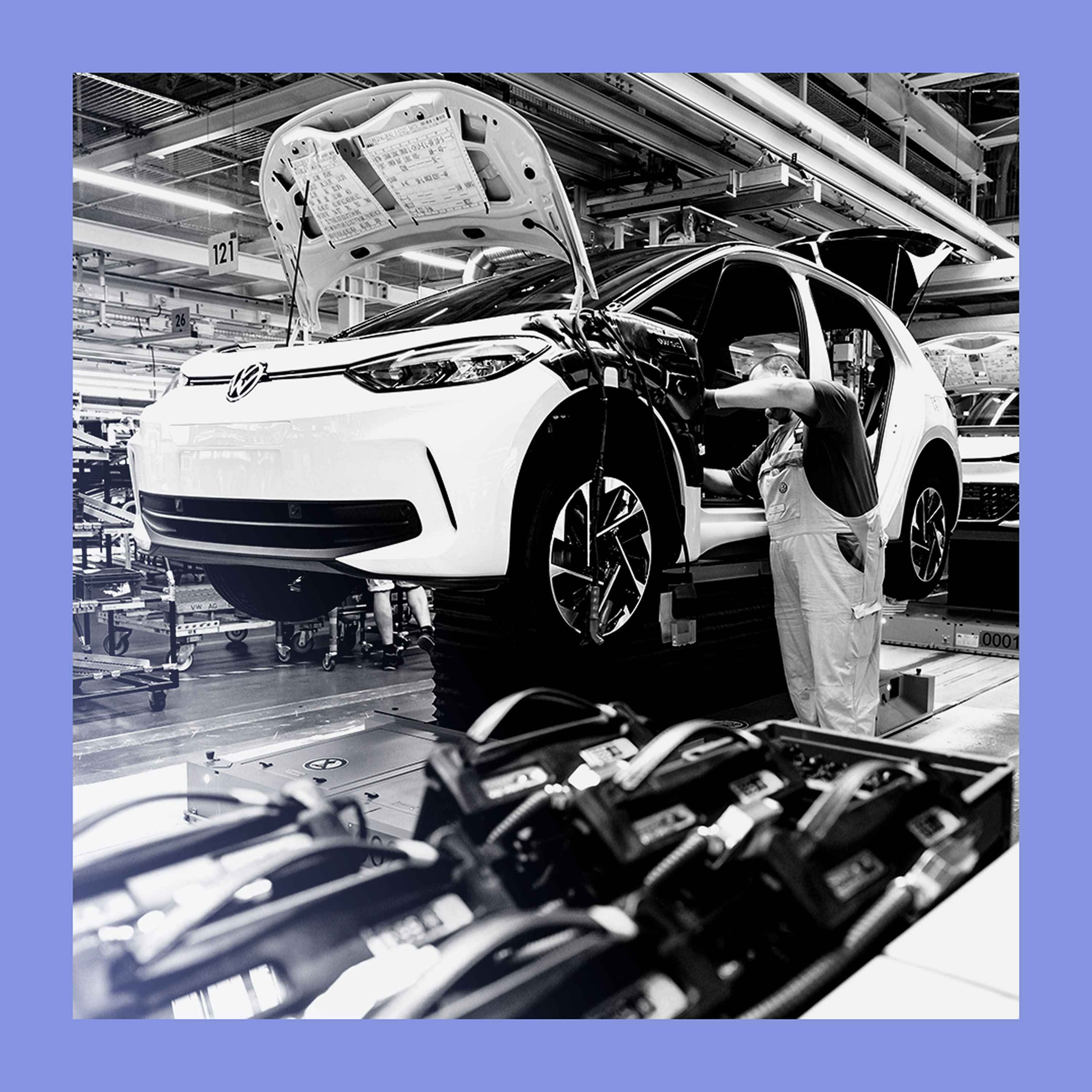
European automakers, heavily invested in combustion engines and hampered by regulations that stifle new entrants, are ill-equipped to compete with China's cheaper, superior electric vehicles. This creates an existential threat to a cornerstone of Europe's industrial economy.
As China's domestic growth slows, it is flooding the world, particularly Europe, with cheap exports. This acts as a powerful disinflationary force that may compel the European Central Bank (ECB) to cut interest rates sooner than anticipated, regardless of their current hawkish rhetoric.

China's robust export sector is overcompensating for its weak domestic property market. This is projected to create a current account surplus equal to 1% of global GDP—a historical record—which will act as a significant headwind for its trading partners, particularly industrial economies in Europe like Germany.
Europe faces a critical conflict between its ambitious net-zero targets and its economic health. High energy costs and a heavy regulatory burden, designed without market realities in mind, are causing companies to close facilities or move investment to the U.S., forcing a difficult reassessment.