Get your free personalized podcast brief
We scan new podcasts and send you the top 5 insights daily.
A well-designed, branded shipping box does more than enhance the unboxing experience. In dense urban environments and large apartment buildings, it functions as a mobile billboard in mailrooms and on delivery trucks, generating brand awareness at a minimal incremental cost.

Related Insights
A market can seem established, but if existing products are visually unappealing and fail to create an emotional connection, a new entrant can win purely on branding and packaging that captures attention and meets a consumer's need state.

One-off campaigns are a waste of money. Effective brand marketing works through accumulation, requiring a strategy of "consistent randomness." Your brand must appear in many different places in varied ways, but with consistent frequency, so a customer is hit 10 different times in 10 different ways.

Initially using a standard carton, Matt O'Hayer was inspired by Stonyfield's founder, who pointed out the egg carton was a "big piece of real estate." This insight prompted Vital Farms to redesign its packaging into a piece of art that tells a story, turning a disposable container into their most powerful tool for capturing attention and driving trial purchases.

The brand's iconic tote wasn't just packaging; it was a calculated marketing investment. At a cost of ~$2.50 per bag, it transformed a necessary expense into a highly effective, long-lasting status symbol and awareness play that generated far more value than its cost.

In crowded retail, packaging is the primary salesperson. Brands like RXBAR won by clearly stating value props (macros, simple ingredients) on the front. A new brand must do the same, highlighting key benefits like "slow burning energy" or "clean carbs" to capture attention instantly.
Packaging can be more than a container; it can be a feature that adds value and novelty. For a CPG brand, this could mean including unique messages, poems, or even personalized fortunes on wrappers, creating a small moment of delight that enhances the customer experience and brand story.
For brands with a retail presence, the product packaging itself is a powerful and underutilized billboard. By adding a QR code with an incentive, you can convert in-store purchasers into owned D2C customers, bridging the physical and digital channels.
A low-cost physical activation, like a single billboard or street posters, can be amplified 10x by documenting it and sharing the story online. The real value isn't the physical impression but the digital content it generates for a broader audience.

With no ad budget, FUBU offered to paint its logo on the security gates of local businesses—from bodegas to repair shops—in exchange for keeping them graffiti-free. Labeling them all as an "authorized FUBU dealer," regardless of what they sold, created a massive, free advertising network and the perception of a large retail presence.

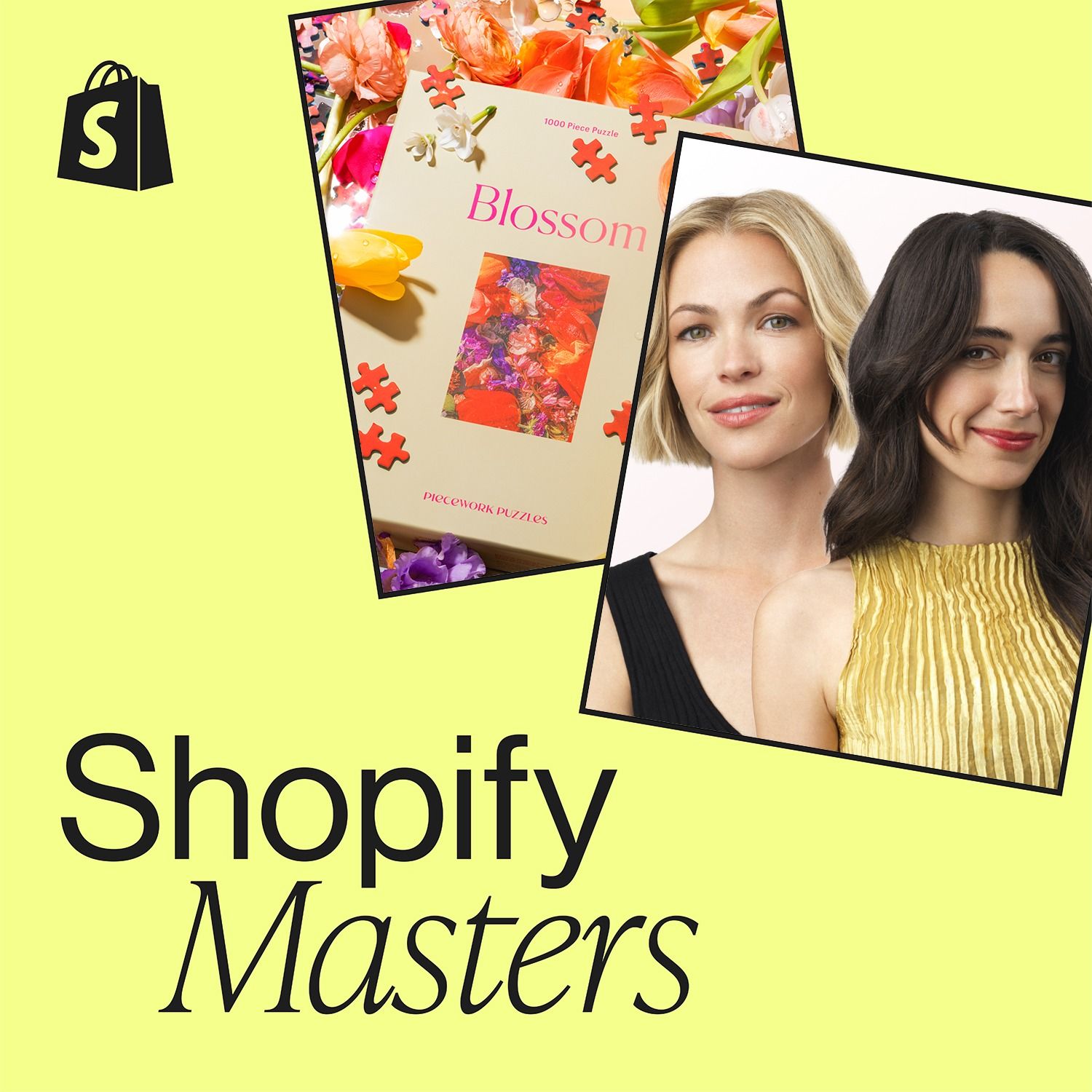
Peacework Puzzles intentionally designed its boxes to look like art books or luxury candles, not traditional game boxes. This strategy encourages customers to display the puzzles as home decor, leading to organic social media sharing as people style them on shelves and coffee tables.