Get your free personalized podcast brief
We scan new podcasts and send you the top 5 insights daily.
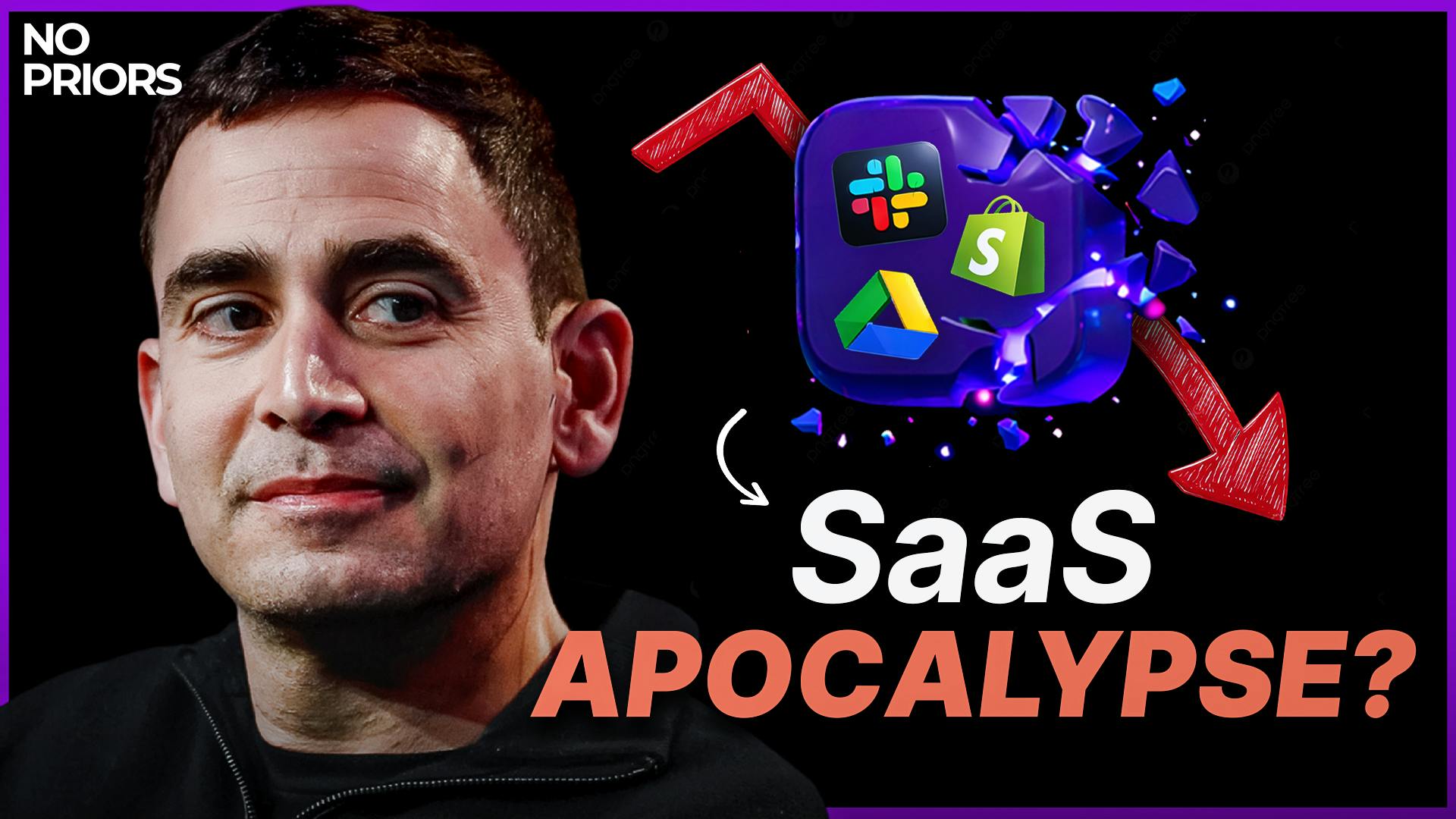
Frontier AI companies still pay for legacy SaaS not because they can't build alternatives, but because it's a poor allocation of scarce, expensive engineering resources to replace established, functional tools.

Related Insights
Despite AI lowering the barrier to coding, replacing dozens of SaaS subscriptions with self-hosted apps is a poor business decision. The opportunity cost of diverting focus from growing MRR, which creates significant enterprise value, far outweighs any potential cost savings from not paying for third-party tools.

Even tech-savvy users who build their own AI agents are increasingly turning to paid software. The ongoing cost and hassle of maintaining personal, "vibe-coded" tools makes polished SaaS solutions more attractive, demonstrating the enduring value of professional software development and support.

Even if AI makes it easier to build competing software, incumbent SaaS giants retain customers due to immense switching costs. The operational disruption, retraining, and integration challenges of migrating a large organization create a powerful moat against new entrants.

While AI can easily replicate simple SaaS features (e.g., a server alert), it poses little threat to deeply embedded enterprise systems. The complexity, integrations, and "dark matter" of these platforms create a "hostage" dynamic where ripping them out is impractical, regardless of cloning capabilities.
While AI can build an initial version of a software product instantly, the true, defensible value lies in the ongoing maintenance, support, and reliability. Customers will always pay for a product that is actively maintained and improved over time.

The "SaaSpocalypse" narrative misses a key reason large enterprises buy from vendors like Salesforce. It's not just about features, but accountability—like hiring McKinsey, it provides "air cover" and "a throat to choke." This institutional trust is a powerful moat against nascent, AI-generated tools.

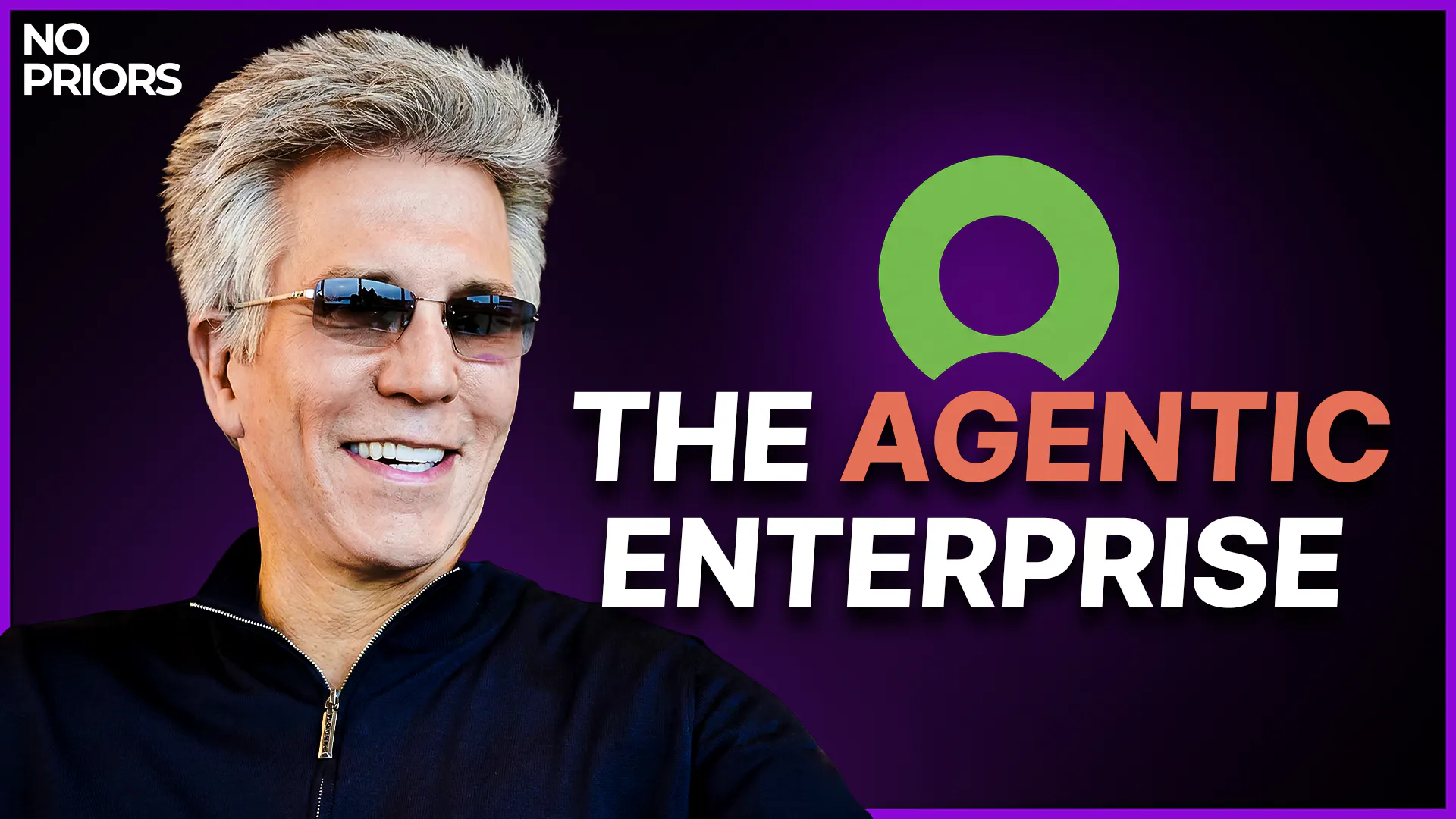
ServiceNow CEO Bill McDermott calculates that when accounting for human capital, GPU costs, and tokens, rebuilding a simple platform application with an LLM is ten times costlier than using the existing SaaS solution. This challenges the narrative that AI will replace enterprise platforms.
Building a custom tool with AI to replace a SaaS subscription seems cost-effective, but building is only 10% of the work. The other 90% is the often-forgotten overhead of maintenance, on-call support, security, and bug fixes that SaaS vendors typically handle.

Despite predictions of SaaS's collapse, leading AI companies like OpenAI and Anthropic are still significant customers of traditional SaaS tools. This suggests that AI agents are augmenting, not completely replacing, established enterprise software.

The idea that AI will eliminate SaaS is overblown because it incorrectly projects small startup behavior onto large enterprises. Fortune 100s face immense change management, security, and maintenance challenges, making replacing established vendors with internal AI-coded tools impractical.