Get your free personalized podcast brief
We scan new podcasts and send you the top 5 insights daily.
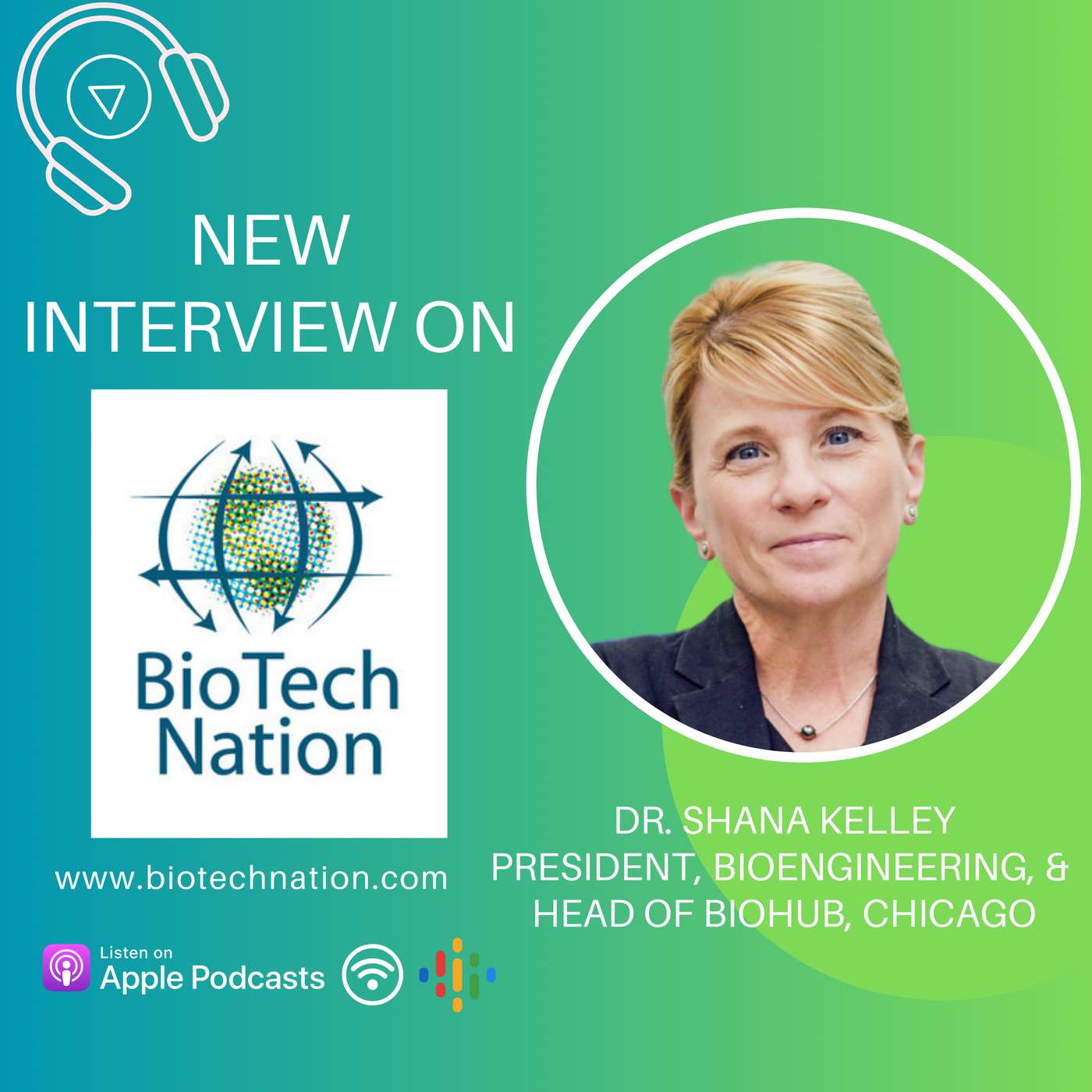
Shana Kelley says working at the interfaces of chemistry, biology, physics, and engineering lets researchers approach complex problems without decades of baggage. Fresh perspectives from other disciplines produce completely new ways to address old biological problems, a dynamic she calls incredibly powerful and very fertile.
Related Insights
IGI Director Brad Ringeisen's training in surface chemistry allowed him to view biology not as a separate field but as a series of molecular reactions. This first-principles approach helps demystify the immense complexity of biological systems, seeing them as orchestrated, not random, chaos.
Major scientific leaps, such as CRISPR (from bacterial defense) or cancer immunotherapy (from basic T-cell biology), rarely come from direct attempts to solve the problems they ultimately fix. They are "orthogonal" discoveries born from fundamental research into seemingly unrelated questions.

An outsider's perspective, free from industry dogma, can be a powerful asset in life sciences. This viewpoint enables questioning of established norms and identifying unconventional solutions, such as applying a non-profit fundraising model to drug manufacturing.

Major advancements in biotech instrumentation are not just software or AI achievements. They are the result of a deeply multidisciplinary effort over many years, requiring innovations and integration across optics, fluidics, chemistry, hardware, and biology to create powerful new tools.

While physics provides strong quantitative skills, its reductionist mindset is ill-suited for biology. Successful physicist-turned-biologists are those who unlearn their original discipline's approach and adopt a new way of thinking centered on complexity, control experiments, and evolutionary context.
Elite computational bio companies like Isomorphic Labs succeed by avoiding siloes and maintaining equal excellence in AI engineering and wet-lab chemistry. They hire tier-one talent from both worlds and create a culture with crosstalk where both disciplines solve problems together.

The idea for a living computer came not from biologists, but from engineers with backgrounds in signal processing. This highlights how breakthrough innovations often occur at the intersection of disciplines, where outsiders can reframe a problem from a fresh perspective.

CZI operates at the intersection of two cultures: biologists who saw their goals as "crazy ambitious" and AI experts who saw them as "boring" and inevitable. Their strategy is to actively merge these fields to create breakthroughs that neither could achieve alone.

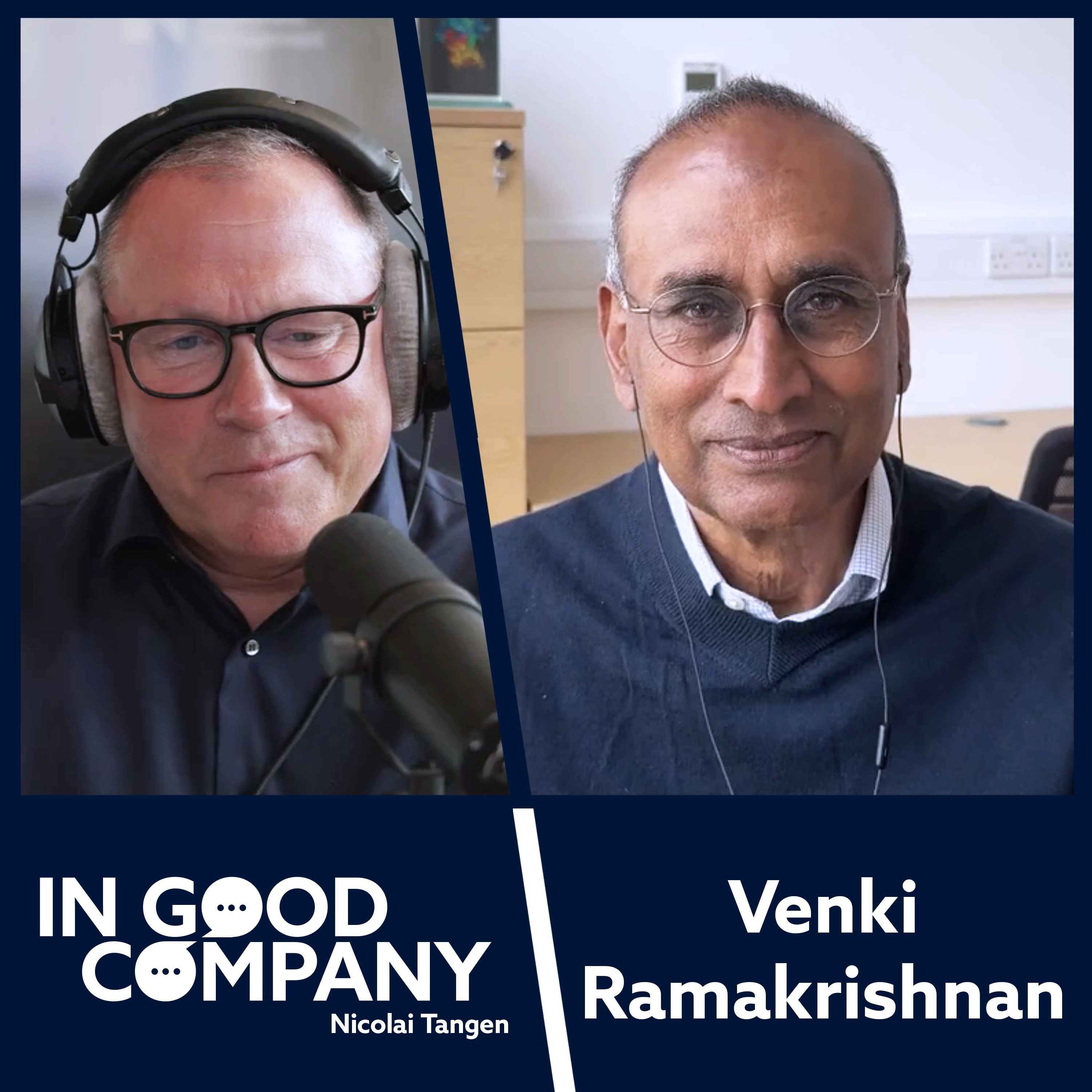
Breakthrough solutions often come from polymaths who can cross-pollinate ideas between different disciplines. By drawing on a diverse mental toolkit, they can see analogies and solutions that specialists within a single field might miss, as new stimuli are required to solve hard problems.

Breakthroughs often come from taking a concept from a well-understood field, like electrical engineering, and applying it to a less understood one, like biology. This cross-pollination is one of the most efficient paths to innovation.