Get your free personalized podcast brief
We scan new podcasts and send you the top 5 insights daily.
Rapid habituation to accomplishments and danger often results in a painful letdown. Because boredom can feel excruciating, this emotional crash frequently drives people into impulsive, self-destructive acts in a desperate bid to recreate intense stimulation.

Related Insights
The core feature of addiction isn't just pleasure-seeking (dopamine), but also pain avoidance. As tolerance to pleasure develops, addicts continue their behavior primarily to numb underlying pain, not because it feels good.

Historically viewed as a dangerous malady, boredom may have been a powerful catalyst for action, from creativity to social activities like drinking and sex. With technology privatizing leisure and eliminating idle time, the decline of these activities suggests that the scarcity of boredom may lead to a more passive, less engaged society.

The brain's reward system resets after an achievement, a process known as the hedonic treadmill. This means the feeling of satisfaction is inherently fleeting. The problem is not that we "can't get no satisfaction," as Mick Jagger sang, but that we "can't keep no satisfaction," driving our constant pursuit of the next goal.

Initially, addictive behaviors are pursued for a pleasurable dopamine rush. Over time, the brain's dopamine system adapts and down-regulates, diminishing the pleasure. The behavior then becomes a compulsive habit driven not by a desire for a high, but by the urgent need to avoid the anxiety and physical discomfort of withdrawal.

Our brains are wired to respond less to constant stimuli, a process called habituation. This is why the joy from a new job, a great view, or a loving relationship can fade over time. What was once amazing becomes normal, diminishing its impact on our daily happiness.

Humans can endure immense suffering, misery, and ugliness, but find boredom intolerable. This powerful aversion is an underestimated catalyst for major historical events, social movements, and even revolutions, as people seek excitement and a sense of purpose over monotony.

Constantly bombarding our reward pathways causes the brain to permanently weigh down the 'pain' side of its pleasure-pain balance. This alters our baseline mood, or 'hedonic set point,' meaning we eventually need our substance or behavior not to get high, but simply to escape a state of withdrawal and feel normal.
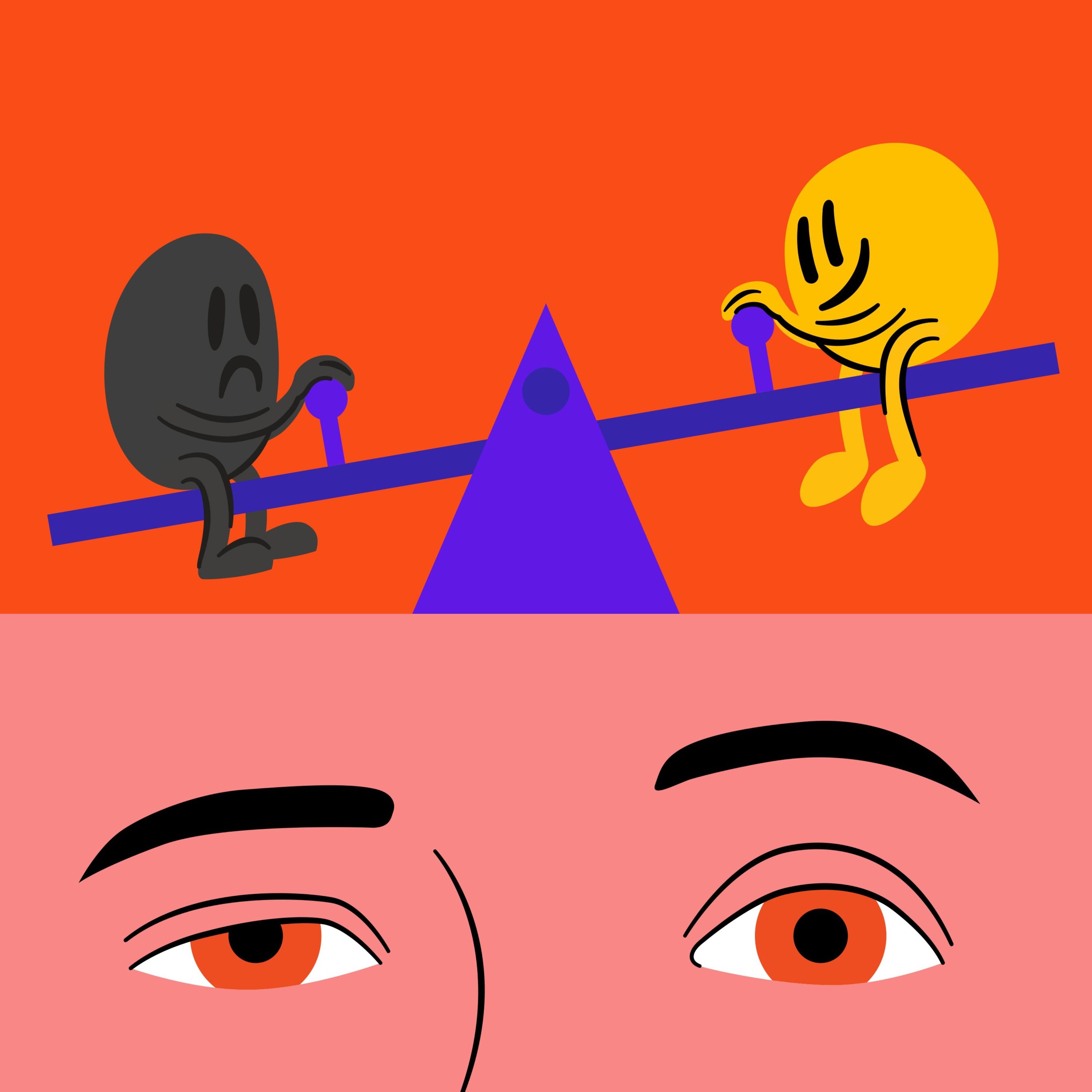
Boredom is not a lack of things to do; it is the subjective experience of your brain's reward circuitry craving dopamine. This feeling prompts novelty-seeking behavior and is a necessary state for recalibrating your dopamine system after overstimulation.
The brain maintains a pain-pleasure balance. Constantly triggering pleasure (dopamine) causes the brain to overcompensate by activating pain pathways, leading to a chronic dopamine-deficient state that manifests as anxiety, irritability, and depression.

The feeling of dissatisfaction after achieving a major goal is a feature, not a bug. The brain's dopamine system is designed to keep you moving forward. If any single achievement—a partner, a food, a drug—were permanently satisfying, the drive to live and procreate would cease. The system ensures you always have another place to go.