Get your free personalized podcast brief
We scan new podcasts and send you the top 5 insights daily.
For high-cost, locally made goods, your website and marketing must transparently detail the story of the materials, the factory, and the people. This narrative justifies the price and transforms the product into an artisanal craft that customers feel good about.

Related Insights
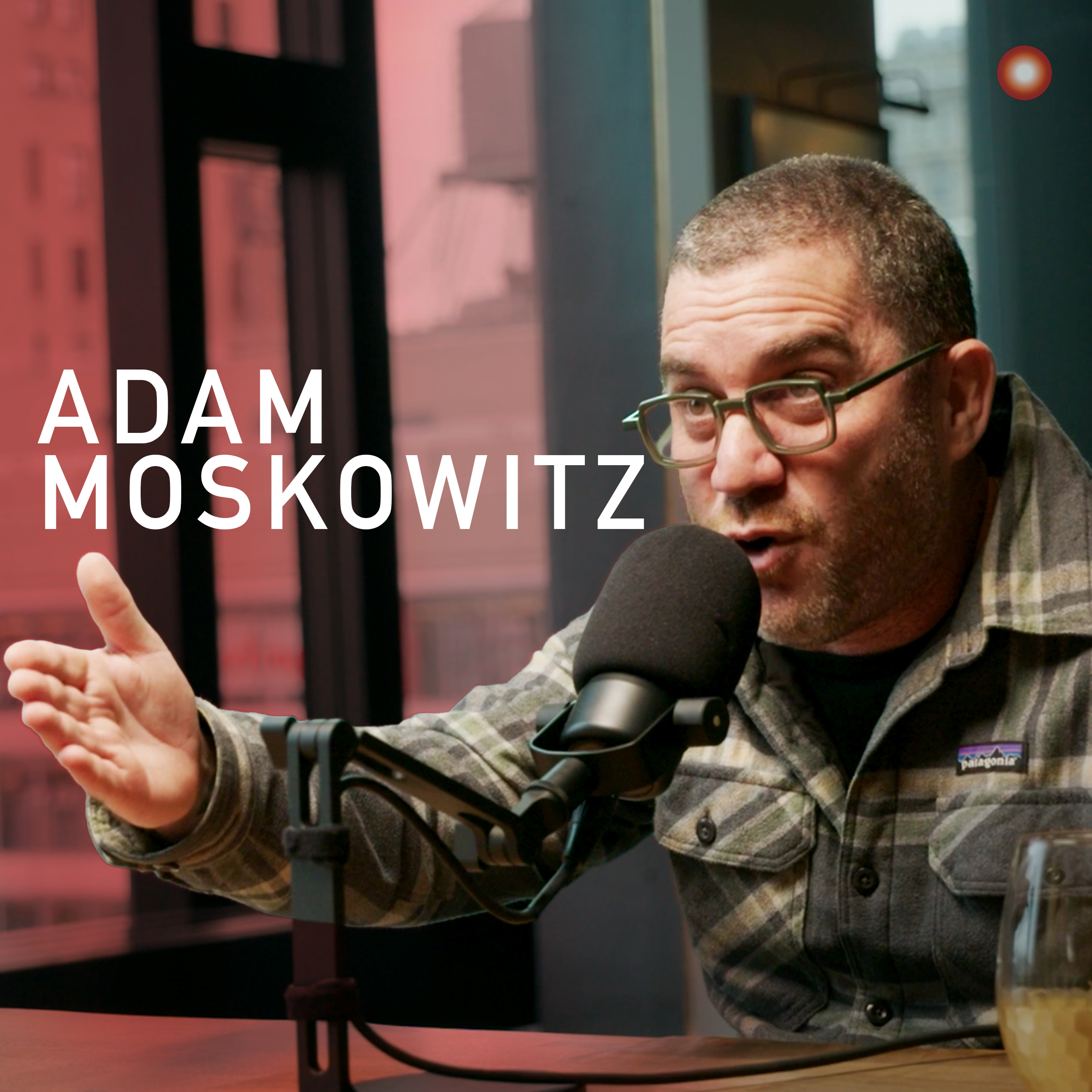
To combat price objections, artisan cheese expert Adam Moskowitz reframes his product not as expensive, but as valuable. The superior flavor-per-bite of quality cheese provides more intrinsic value than cheaper, mass-market alternatives that primarily offer a generic 'creamy' texture.
Inspired by the "Mad Men" 'It's Toasted' pitch, Norwegian Wool markets its production processes, like letting fabric rest for a month. These details, often taken for granted internally, become powerful narrative tools that convey quality, craftsmanship, and a compelling story to customers.

If a customer is shocked by your price, your marketing has already failed. Every public-facing asset—vehicle wraps, social media posts, uniforms—builds a perception of value that primes the customer to expect a certain price level before your team even presents an estimate.

Consumers use price as a proxy for quality. In one study, people rated the same wine 70% higher when they thought it cost $45 versus $5. A premium price creates an expectation of a premium experience, which can become a self-fulfilling prophecy for the user.

Even if a product's manufacturing process is standard for its industry, being the first to explain it to customers creates a powerful narrative of quality and transparency. This storytelling approach, championed by Claude Hopkins for Schlitz beer, builds a connection that converts customers.

Customers don't care about your P&L or that a competitor is a "side hustle." To justify a higher price, you must clearly communicate tangible benefits like better organization, time savings, or superior staff, which directly improve their experience.

To sell without feeling "slimy" or inauthentic, build your promotional content around the personal stories and challenges that led you to create the product in the first place. This approach connects your solution to a real pain point you've experienced, making the sale feel genuine for both you and your audience.

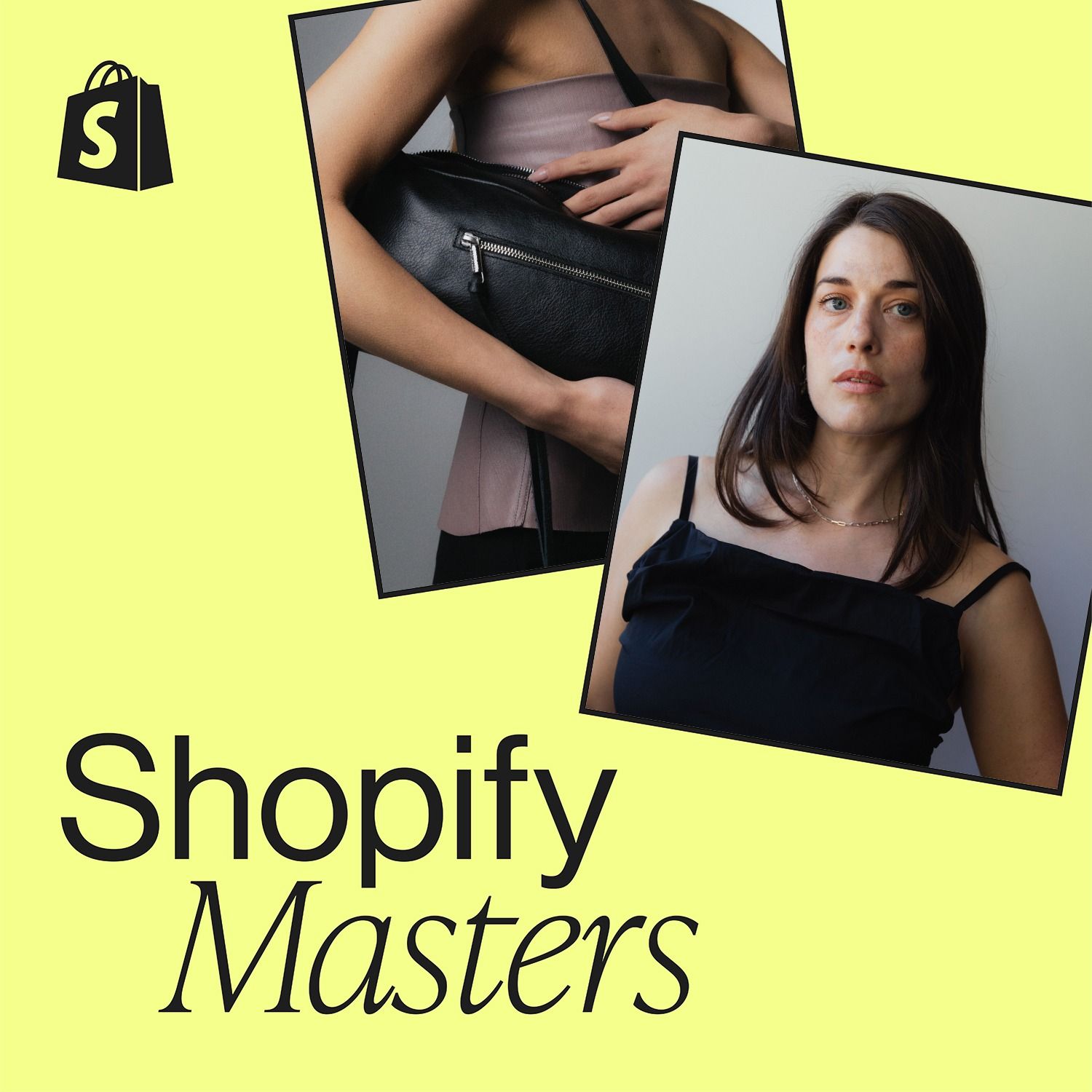
Sonya Lee targets educated consumers skeptical of traditional luxury markups. By sourcing directly from a certified tannery, the brand can prove its leather's origin—from a specific farm to the final product. This radical transparency builds trust, justifies its price point, and differentiates it from competitors who obscure their supply chains.
Effective pricing is not just a number; it is a value story. The ultimate test is whether a customer can accurately pitch your product's pricing and value proposition to someone else. This reframes pricing from a simple number to a compelling narrative.

Mark Cuban advises a craftsman to stop marketing the product brand and start selling the artist's name. The creator's story and skill are the true value, which justifies premium pricing and builds a stronger brand.