Get your free personalized podcast brief
We scan new podcasts and send you the top 5 insights daily.
Hastings credits his time on the Microsoft board—when Netflix was a small DVD service—as a pivotal learning experience. It exposed him to a 10-year planning horizon and capital allocation strategies that were impossible at his own cash-constrained startup, fundamentally shaping his leadership.

Related Insights
Reed Hastings argues board members lack daily context to add value with advice. Their true function is to be an "insurance layer," with their most crucial responsibility being the decision to replace the CEO if needed. They must learn the business not to advise, but to be prepared for that moment.
![Reed Hastings - Building Netflix - [Invest Like the Best, EP.453] thumbnail](https://megaphone.imgix.net/podcasts/2f1ecac4-e4ba-11f0-a8e8-777eb8de0c5a/image/28fb3c25b09448a35f17657a5e614900.jpg?ixlib=rails-4.3.1&max-w=3000&max-h=3000&fit=crop&auto=format,compress)
A16z's decision to add Hollywood agent Michael Ovitz to their board was controversial but genius. It directly led to modeling the firm after Creative Artists Agency (CAA), a novel approach in venture capital. This shows the power of seeking board-level expertise from outside your industry to challenge core assumptions and unlock game-changing strategies.

Executives often interview by recounting past achievements, a "rear-view mirror" approach. To win a board seat, candidates must adopt a forward-looking governance mindset. This involves asking thought-provoking strategic questions about the future, demonstrating they can operate as a peer from day one.

CEOs of ElevenLabs and Lovable argue their time at companies like Palantir and Google was essential for learning to build at scale, understand customer problems, and develop ambitious ideas. They doubt they would have succeeded starting right out of school.

Reed Hastings learned from a CEO who secretly washed his coffee cups. This act of service built incredible personal loyalty, but Hastings realized this must be paired with astute market judgment to successfully lead a company.

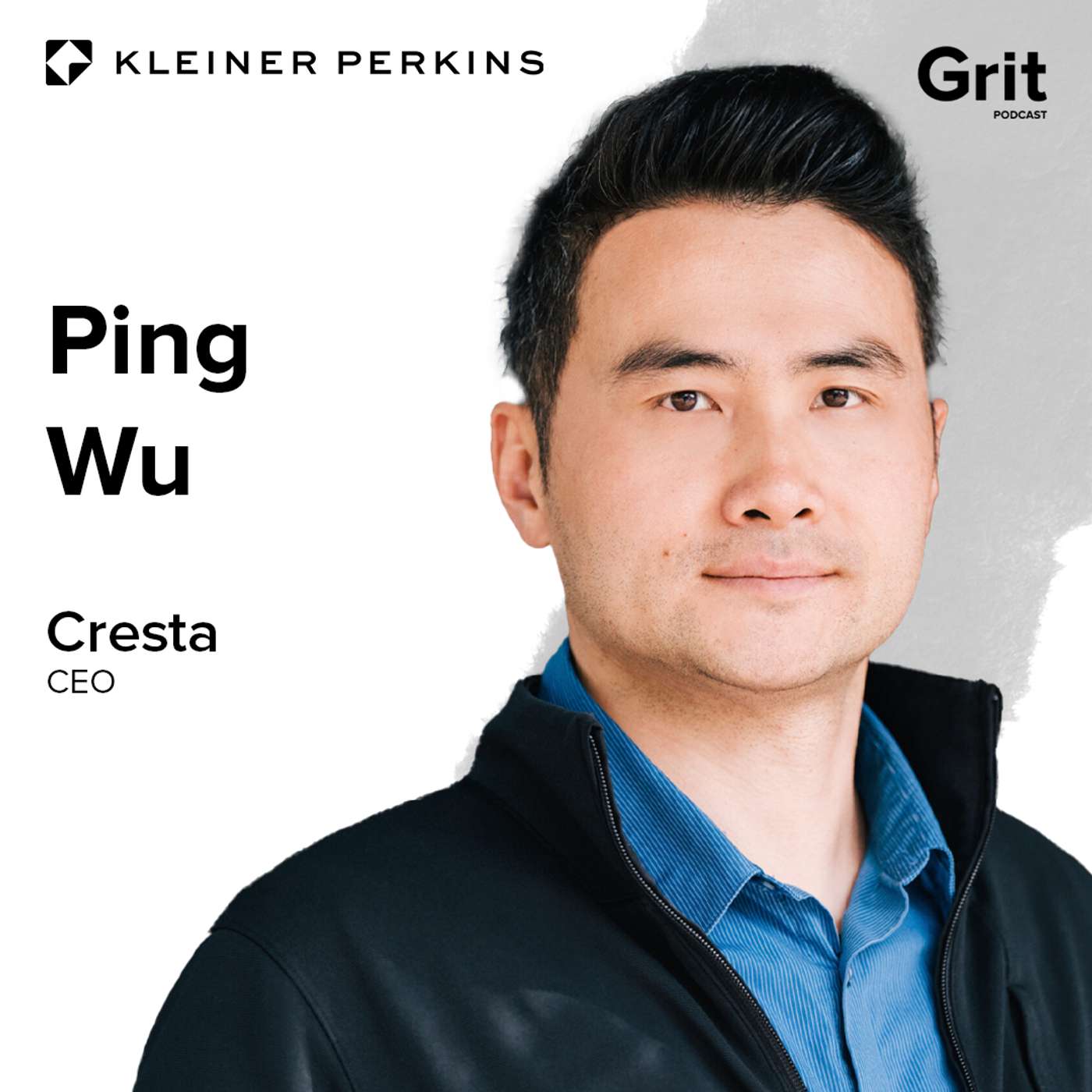
Ping Wu details how he leverages his board: he consults Doug Leone on SaaS company-building patterns, Sebastian Thrun on long-term AI trends, and former member Carl Eschenbach on go-to-market operations. This demonstrates a strategic approach to extracting maximum value from a diverse board.
Reed Hastings' motivation for running Netflix wasn't a love for film but a love for solving complex problems. He frames himself as a "crossword puzzle solver," suggesting founder motivation can stem from intellectual curiosity over domain passion.
The founder hired an experienced CEO and then rotated through leadership roles in different departments (brand, product, tech). This created a self-designed, high-stakes apprenticeship, allowing him to learn every facet of the business from experts before confidently retaking the CEO role.
Contrary to the common narrative of founders struggling to let go, Hastings found it surprisingly easy. He attributes this to a sense of completion, having achieved all his major goals at Netflix, which allowed him to embrace retirement without yearning for his old role.
Hastings differentiates the operator mindset (relentless focus on a single problem) from the investor mindset (maintaining a broad perspective, avoiding emotional attachment, and cutting losses quickly). This highlights the fundamental personality differences required for success in each role.