Get your free personalized podcast brief
We scan new podcasts and send you the top 5 insights daily.
A 'blame and shame' culture develops when all bad outcomes are punished equally, chilling employee reporting. To foster psychological safety, leaders must distinguish between unintentional mistakes (errors) and conscious violations (choices). A just response to each builds a culture where people feel safe admitting failures.

Related Insights
People won't bring you problems if they fear your reaction. To build trust, leaders must not only control their emotions but actively thank the messenger. This reframes problem-reporting from a negative event to a positive act that helps you see reality more clearly.

Exceptional people in flawed systems will produce subpar results. Before focusing on individual performance, leaders must ensure the underlying systems are reliable and resilient. As shown by the Southwest Airlines software meltdown, blaming employees for systemic failures masks the root cause and prevents meaningful improvement.
Innovation is stifled when team members, especially junior ones, don't feel safe to contribute. Without psychological safety, potentially industry-defining ideas are never voiced for fear of judgment. This makes it a critical business issue, not just a 'soft' HR concept.

Stakeholders demand courageous leadership but foster a culture of intolerance. By failing to distinguish between major offenses and minor infractions and "canceling" leaders for mistakes, the public itself disincentivizes the very courage and authenticity it seeks, creating a paralyzing circular problem.
The belief that people fail due to lack of will leads to blame. Shifting to 'people do well if they can' reframes failure as a skill gap, not a will gap. This moves your role from enforcer to helper, focusing you on identifying and building missing skills.
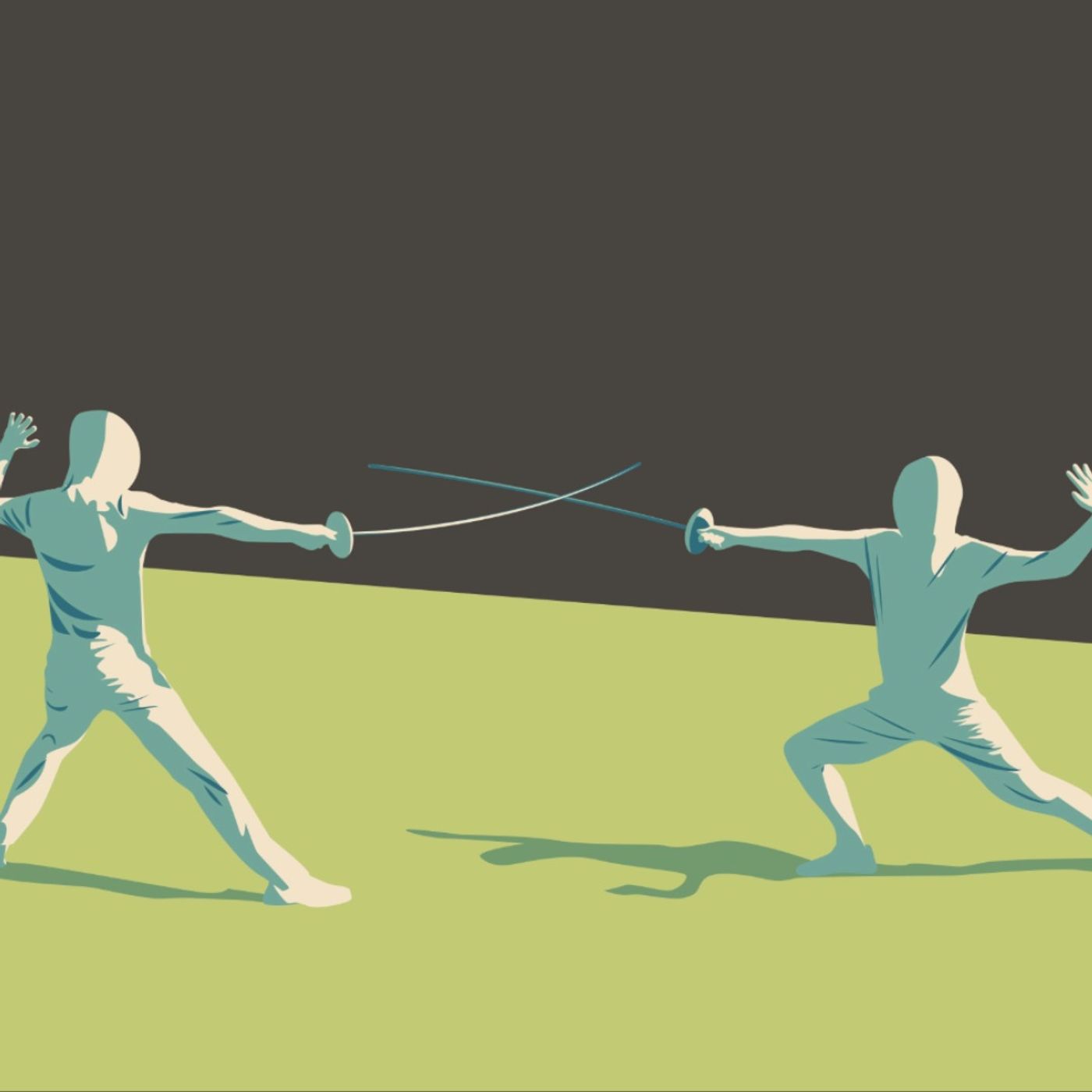
Instead of avoiding risk, teams build trust by creating a 'safe danger' zone for manageable risks, like sharing a half-baked idea. This process of successfully navigating small vulnerabilities rewires fear into trust and encourages creative thinking, proving that safety and danger are more like 'dance partners' than opposites.
When an experimental campaign failed, Edelman's CEO Richard Edelman protected the mid-level employee responsible. He framed the mistake as a necessary cost of innovation in a new field, explicitly telling the team to "keep pushing boundaries." This response fosters a culture where calculated risks are encouraged rather than punished.
Our culture equates accountability with punishment. A more powerful form of accountability is making someone a co-owner in solving the root problem. This ensures the issue doesn't recur and is the ultimate form of taking responsibility for one's actions.
Employees hesitate to use new AI tools for fear of looking foolish or getting fired for misuse. Successful adoption depends less on training courses and more on creating a safe environment with clear guardrails that encourages experimentation without penalty.

To prevent resentment in high-pressure teams, implement a scheduled forum for fearless feedback, like a "Sunday SmackDown." This creates a predictable, safe container for airing grievances—personal or professional. By separating critique from daily operations, it allows team members to be open and constructive without the awkwardness or fear of disrupting morale, thereby preventing small issues from escalating.
