Get your free personalized podcast brief
We scan new podcasts and send you the top 5 insights daily.
The primary threat to securing oil tankers is no longer just mines or fixed missile sites. It is the asymmetric threat of cheap, long-range drones that can be launched from the back of a truck, making them incredibly difficult and costly to defend against with traditional military systems.

Related Insights
Warfare has evolved to a "sixth domain" where cyber becomes physical. Mass drone swarms act like a distributed software attack, requiring one-to-many defense systems analogous to antivirus software, rather than traditional one-missile-per-target defenses which cannot scale.

The conflict in Ukraine exposed the vulnerability of expensive, "exquisite" military platforms (like tanks) to inexpensive technologies (like drones). This has shifted defense priorities toward cheap, mass-producible, "attritable" systems. This fundamental change in product and economics creates a massive opportunity for startups to innovate outside the traditional defense prime model.

Low-cost, mass-produced drones create strategic advantage by forcing a disproportionately expensive defensive response ($4M missiles for $20K drones). This 'weaponized financial asymmetry' can extend conflicts by draining an opponent's budget, even if the drones are successfully intercepted.

The US faces a severe economic disadvantage in the Middle East conflict. Iran uses $30,000 drones that can disable $160 million tankers, while US countermeasures involve $4 million Patriot missiles. This cost imbalance allows Iran to inflict massive economic damage cheaply, posing a significant strategic threat.

Recognizing Russia's high tolerance for military casualties, Ukraine has shifted its strategy to asymmetric economic warfare. By systematically using long-range drones to attack Russian oil refineries and tankers, Ukraine aims to inflict financial pain where the human cost of war has failed to be a deterrent, creating what they call "the real sanctions."

Russia's use of cheap drones creates a significant economic and strategic challenge for NATO. The current defensive approach is financially unsustainable, as seen when Poland used a million-dollar missile on a cheap drone. This asymmetry is forcing Europe to develop new, low-cost interception methods, such as a continent-wide "drone wall".
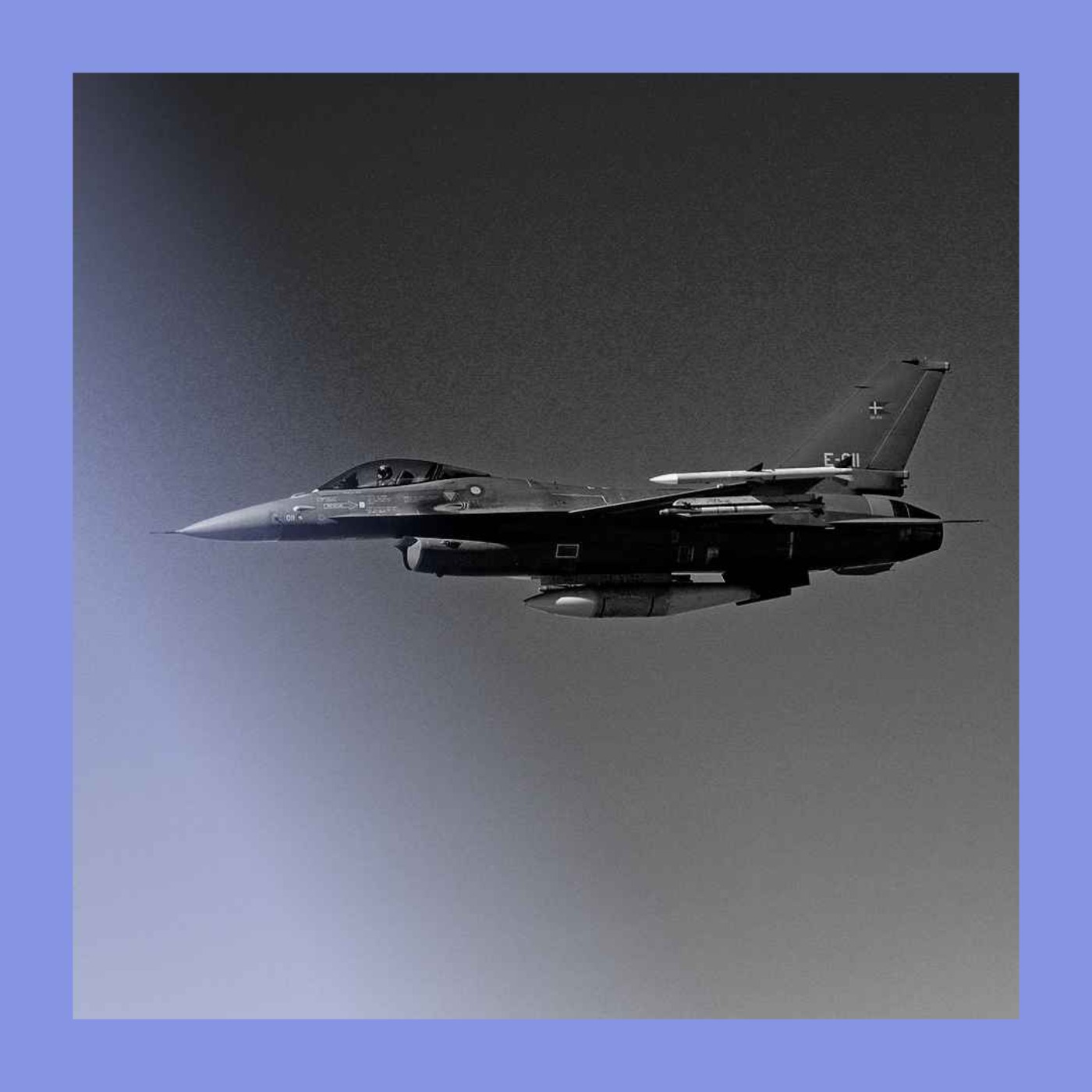
The high cost of advanced aircraft like the F-35 fighter jet stems from ensuring pilot safety. Drones, by being unmanned, remove this expensive constraint. Since crashes are acceptable, drones can be produced cheaply and at scale, unlocking their disruptive economic potential across industries.
Traditionally a defensive strength, Russia's immense size makes it nearly impossible to provide adequate air defense for its sprawling network of almost 40 major oil refineries. This geographic vulnerability allows Ukraine to inflict significant, widespread economic damage with low-cost, long-range drones that are difficult to counter.

After the Cold War, the Navy prioritized efficiency with a standardized Super Hornet air wing, sacrificing the specialized long-range capabilities of aircraft like the A-6. To counter modern threats, it's now diversifying again, using unmanned aircraft like the MQ-25 refueler and combat drones to restore range and relevance.

The rise of drones is more than an incremental improvement; it's a paradigm shift. Warfare is moving from human-manned systems where lives are always at risk to autonomous ones where mission success hinges on technological reliability. This changes cost-benefit analyses and reduces direct human exposure in conflict.