Get your free personalized podcast brief
We scan new podcasts and send you the top 5 insights daily.
Roy Ratneville, who became a vice chairman at a major asset management firm, notes he wouldn't have qualified for Canada's modern, skills-based immigration system. He entered on a compassionate visa as a teenage refugee and started in a mailroom, proving that potential and drive can't always be measured by points systems.
Related Insights
Pinterest's CEO reframes the DEI debate by stating it is not in conflict with meritocracy, but a requirement for it. A system that isn't inclusive inherently limits its talent pool, making it less meritorious. By focusing on inclusion, Pinterest gained an "unfair share of great talent" and outperformed competitors.

At HubSpot, Elias Torres built an exceptional team, hiring future founders of companies like Klaviyo. His strategy was to ignore credentials and instead screen for hunger, grit, and intelligence through conversation. He believes giving people with non-traditional backgrounds a shot is key to finding outliers.

The U.S. has a unique global advantage in attracting the world's most brilliant minds, akin to getting the top draft pick in sports every year. However, current restrictive policies turn this talent away, sending them to competitor nations and stunting American innovation.
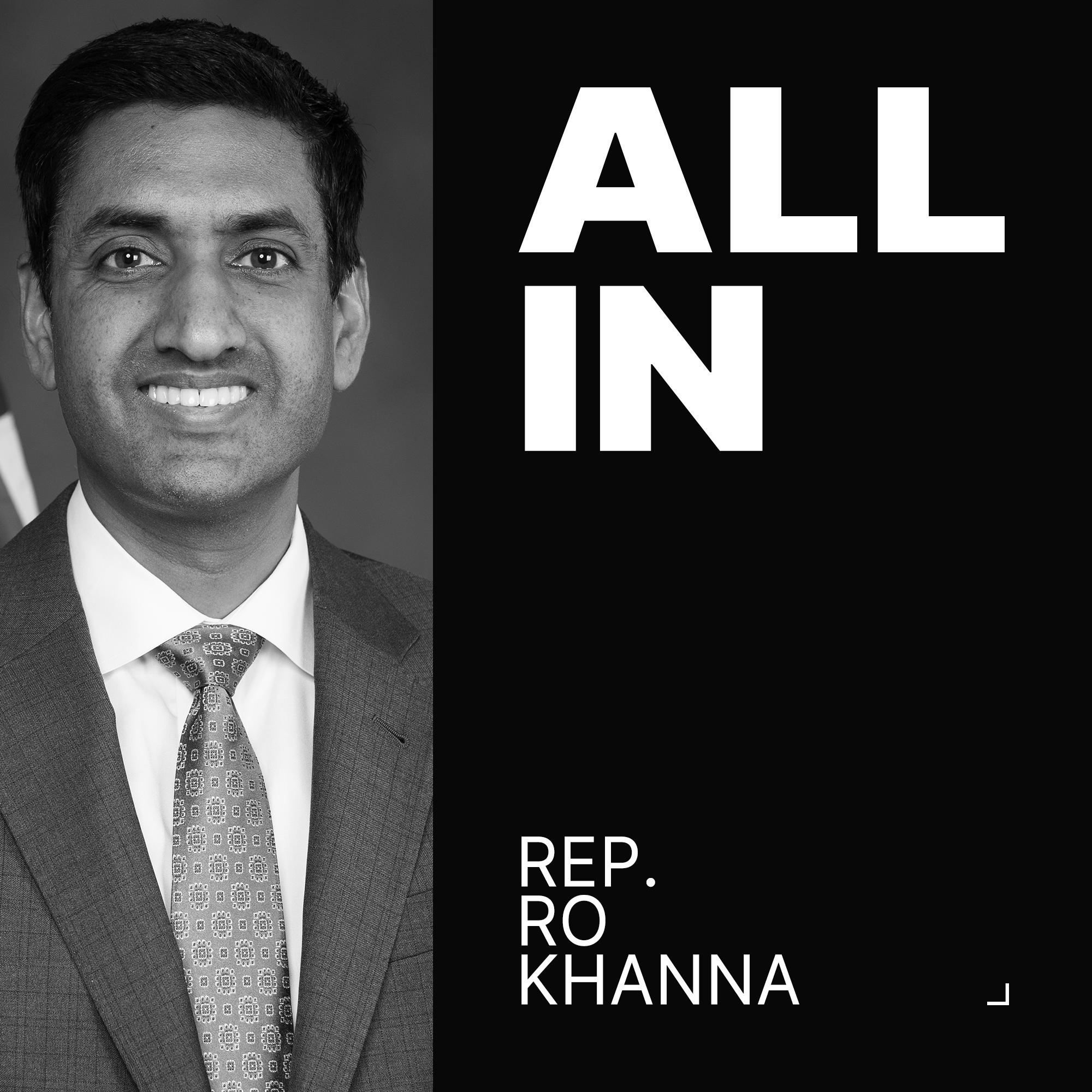
To retain top talent and prevent exploitation, Ro Khanna advocates an accelerated path to green cards for H-1B visa holders. This gives individuals labor mobility and market wages, while preventing them from returning to countries like China or India and fueling competitor economies.
America is not just a nation of immigrants but of emigrants—people who made the bold choice to leave behind collapsing societies. The Irish fled famine, Germans fled revolution, and Chinese, Vietnamese, and Iranians fled communism and turmoil. This history of leaving failing states is a core part of the American identity, not a betrayal of one's homeland.

Eleven Labs bypasses traditional hiring signals by looking for talent based on demonstrated skill. They hired one of their most brilliant researchers, who was working in a call center, after discovering his incredible open-source text-to-speech model. This underscores the value of looking beyond resumes.

Hiring managers often dismiss strong candidates by making snap judgments based on a resume. Focusing on the person behind the paper—their drive, skills, and potential—frequently reveals that the initially overlooked individual is the perfect fit for the role, according to executive search partner Mitch McDermott.

By adding resilience as a core hiring criterion, Pinterest naturally attracts diverse candidates from non-traditional backgrounds who have overcome adversity. This focus shifts hiring away from traditional signals of success, increasing diversity and bringing in employees who are better equipped for business challenges.
At the start of a tech cycle, the few people with deep, practical experience often don't fit traditional molds (e.g., top CS degrees). Companies must look beyond standard credentials to find this scarce talent, much like early mobile experts who weren't always "cracked" competitive coders.
Dropbox's founders built their team using a first-principles approach, prioritizing exceptional talent even when candidates lacked traditional pedigrees or direct experience for a role. This strategy of betting on the person's potential over their polished resume proved highly effective for scaling.