Get your free personalized podcast brief
We scan new podcasts and send you the top 5 insights daily.
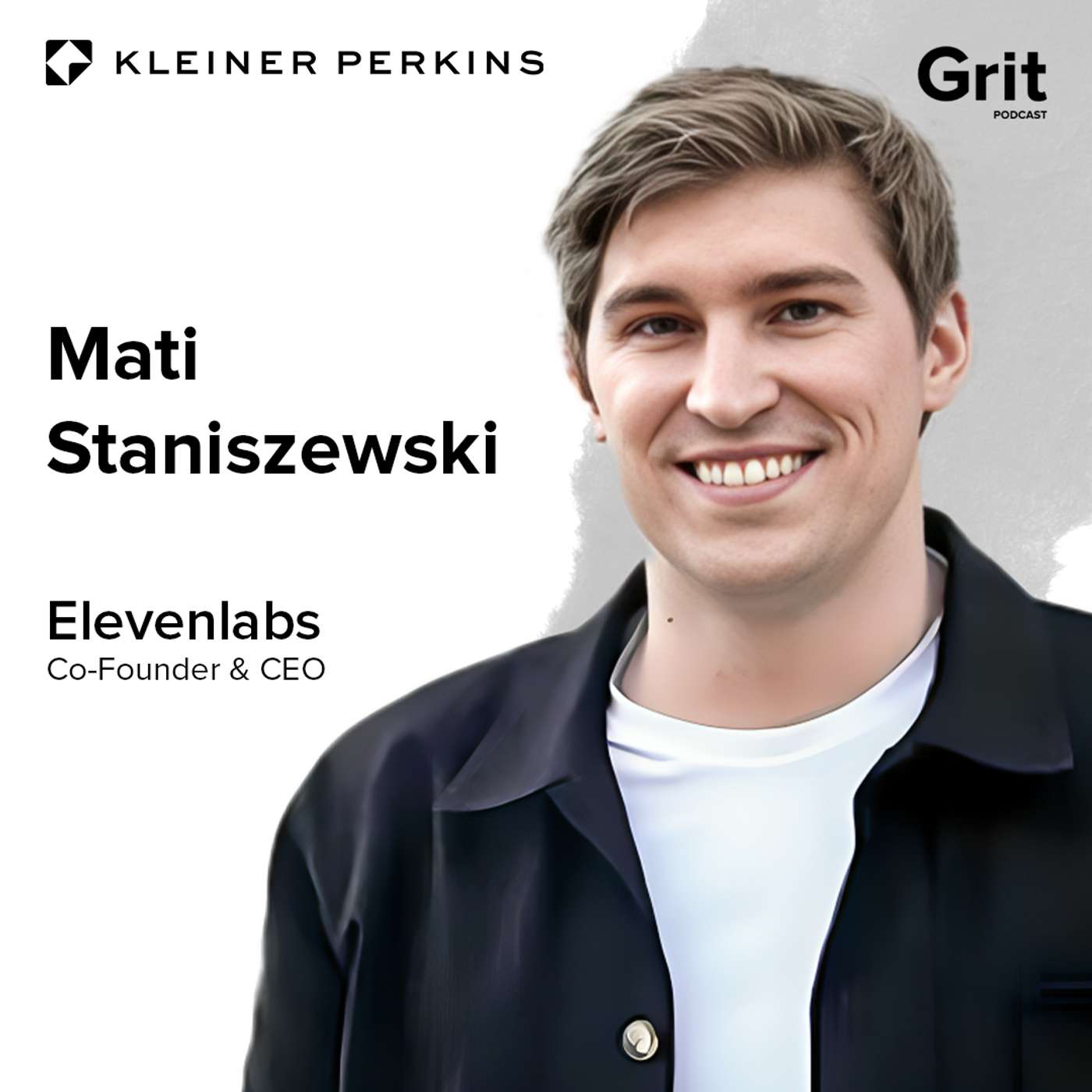
Eleven Labs bypasses traditional hiring signals by looking for talent based on demonstrated skill. They hired one of their most brilliant researchers, who was working in a call center, after discovering his incredible open-source text-to-speech model. This underscores the value of looking beyond resumes.

Related Insights
Contrary to the belief that deep-tech startups should be purely technical, ElevenLabs prioritized distribution early. Their first 10 hires included 3 people focused on go-to-market and growth, enabling both self-serve and sales-led motions from the start alongside foundational research.
Sending a resume is now an outdated and ineffective way to get noticed by AI startups. The proven strategy is to demonstrate high agency by building a relevant prototype or feature improvement and emailing it directly to the founders. This approach has led to key hires at companies like Suno and Micro One.

A powerful, non-traditional way to break into a competitive field like AI is to identify a company's core research hub and offer your services for free on off-hours. This demonstrates passion and provides direct access to opportunities before they become formal roles, allowing you to bypass traditional application processes.

Lovable prioritizes hiring individuals with extreme passion, high agency, and autonomy—people for whom the work is a core part of their identity. This focus on intrinsic motivation, verified through paid work trials, allows them to build a team that can thrive in chaos and drive initiatives from start to finish without supervision.

Don't default to hiring people who have "done the job before," even at another startup. Unconventional hires from different backgrounds (e.g., archaeologists in customer success) can create unique creativity. The priority should be finding the right fit for your company's specific stage and needs, not just checking an experience box.

Perplexity's talent strategy bypasses the hyper-competitive market for AI researchers who build foundational models. Instead, it focuses on recruiting "AI application engineers" who excel at implementing existing models. This approach allows startups to build valuable products without engaging in the exorbitant salary wars for pre-training specialists.

CEO Mati Staniszewski co-founded ElevenLabs after being frustrated by the Polish practice of dubbing foreign films with a single, monotonous voice. This hyper-specific, personal pain point became the catalyst for building a leading AI voice company, proving that massive opportunities can hide in niche problems.
At the start of a tech cycle, the few people with deep, practical experience often don't fit traditional molds (e.g., top CS degrees). Companies must look beyond standard credentials to find this scarce talent, much like early mobile experts who weren't always "cracked" competitive coders.
Rejecting conventional headhunters and pedigrees, WCM actively sources talent from unique places. They successfully hired a key team member after discovering his insightful investment commentary on Twitter, where he was posting under a fake name, proving that talent can be found anywhere.
![[REPLAY] Paul Black and Mike Trigg – How to Build a $100B Money Manager (Capital Allocators, EP.227) thumbnail](https://static.libsyn.com/p/assets/f/b/7/6/fb76e1c8bfb69e8dd959afa2a1bf1c87/CA_Square_logo_light_background_6.26.24.jpg)
For cutting-edge AI problems, innate curiosity and learning speed ("velocity") are more important than existing domain knowledge. Echoing Karpathy, a candidate with a track record of diving deep into complex topics, regardless of field, will outperform a skilled but less-driven specialist.
