Get your free personalized podcast brief
We scan new podcasts and send you the top 5 insights daily.
The General Partner (GP) agreement, which governs the firm's internal operations, must be finalized before launching the fund. Delaying it until after the capital is raised gives the founding partners immense leverage to impose unfavorable terms on the rest of the team.

Related Insights
By defending the pro rata rights of early backers against new, powerful investors, founders play an "infinite game." This builds a reputation for fairness that compounds over time, attracting higher-quality partners and investors in future rounds.

The terms within your Limited Partner Agreement (LPA), like using an American vs. European waterfall or a budget-based fee vs. 2-and-20, are not just financial details. They are a powerful, immediate signal to LPs about whether your new firm is GP-friendly or LP-friendly, setting the tone for negotiations.
For a private equity firm to transition successfully, founders must generously share ownership with the next generation well before it seems necessary. Ego and a failure to share equity are common pitfalls that prevent a firm from evolving from an investment shop into an enduring franchise.

Don't default to a 50/50 split on day one. Instead, agree to formally discuss equity only after reaching a predefined milestone, like $10,000 in revenue. This allows you to base the split on demonstrated contribution and commitment, avoiding the resentment from premature, misaligned agreements.

The strength of a GP-LP relationship isn't measured by co-invest rights or fee breaks. It's demonstrated when a GP offers valuable advice or connections that improve the LP's overall portfolio, even when there's no direct financial gain for the GP. This uncompensated help is the hallmark of true partnership.
To predict the future health of a partnership, intentionally have difficult conversations before any investment is made. If you can't productively disagree or discuss serious problems before you're formally linked, it's highly unlikely you'll be able to do so when the stakes are higher post-investment.

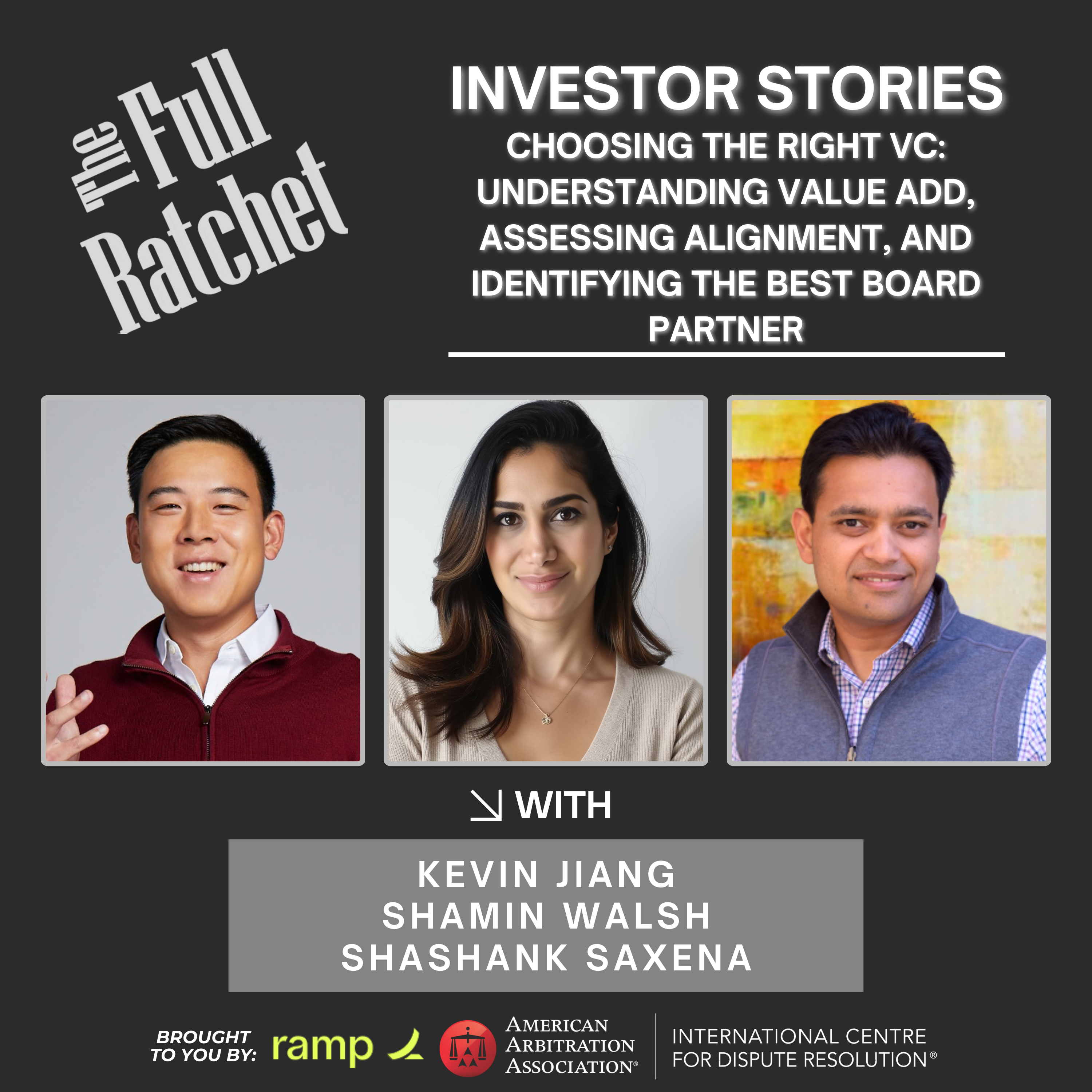
When fundraising, the most critical choice isn't the VC fund's brand but the specific partner who will join the board. Sophisticated founders vet the individual's strengths, weaknesses, and working style, as that person has a more direct impact on the company than the firm's logo on a term sheet.
The desire to avoid awkward conversations with business partners, especially friends, leads to vague agreements. This inevitably results in costly and lengthy lawsuits later when stakes are high. Front-load the discomfort of detailed contracts to save millions and years of your life.

A growing frustration for LPs is the tendency for GPs to breach their stated "hard cap" by asking for last-minute increases. This practice undermines the credibility of the fund's size strategy and turns a key underwriting parameter into a negotiable figure, perverting the term's meaning.

Granting a full co-founder 50% equity is a massive, often regrettable, early decision. A better model is to bring on a 'partner' with a smaller, vested equity stake (e.g., 10%). This provides accountability and complementary skills without sacrificing majority ownership and control.
