Get your free personalized podcast brief
We scan new podcasts and send you the top 5 insights daily.
The strength of a GP-LP relationship isn't measured by co-invest rights or fee breaks. It's demonstrated when a GP offers valuable advice or connections that improve the LP's overall portfolio, even when there's no direct financial gain for the GP. This uncompensated help is the hallmark of true partnership.

Related Insights
Founders can accurately gauge an investor's future helpfulness by their actions during the pre-investment courtship phase. If an investor is unwilling to provide value when they are most motivated to win the deal, they are unlikely to be a helpful partner later on.
![Jesse Zhang - Building Decagon - [Invest Like the Best, EP.443] thumbnail](https://megaphone.imgix.net/podcasts/2cc4da2a-a266-11f0-ac41-9f5060c6f4ef/image/7df6dc347b875d4b90ae98f397bf1cb1.jpg?ixlib=rails-4.3.1&max-w=3000&max-h=3000&fit=crop&auto=format,compress)
For LPs, the primary benefit of pre-fund co-investments with emerging managers isn't just financial returns. It's a critical diligence tool to observe intangible qualities, such as a sponsor's discipline to abandon a flawed deal, which strongly correlates with long-term success.
The traditional view of a contract is a legal safety net to be filed and forgotten until a dispute arises. A relational contract, however, functions as an active 'playbook' for the partnership. It outlines the shared vision and guiding principles, serving as a practical, frequently referenced guide for collaboration and problem-solving, rather than a weapon.
Limited Partners (LPs) value fund managers who are willing to listen and internalize market feedback, even if they ultimately follow their own strategy. This openness is a key positive signal, while a refusal to listen is a major red flag that often appears early in the relationship.

Unlike larger, more transactional deals, mid-market GP stakes investors win by becoming the "partner of choice." The target firms need both capital and operational expertise, allowing the investor to differentiate on value-add capabilities and avoid competing solely on offering the highest valuation.

Effective private equity boards function as strategic advisory councils rather than governance bodies. Board members are expected to be co-investors who actively help with strategy, networking, and operational challenges like procurement, making them a key part of the value creation engine.

Greylock measures partner contribution by whether they were "causally impactful" to a successful investment, rather than just who sourced it. This model incentivizes deep collaboration, such as building a prepared mind, helping win a deal, or adding critical value post-investment.

An LP with prior experience as a GP has a distinct advantage in accessing top-tier funds. They understand what GPs value in an LP—responsiveness, transparency, long-term thinking, and trust. By acting as "the LP they wanted to work with," they build deeper relationships and gain an edge over LPs who have never been on the other side of the table.

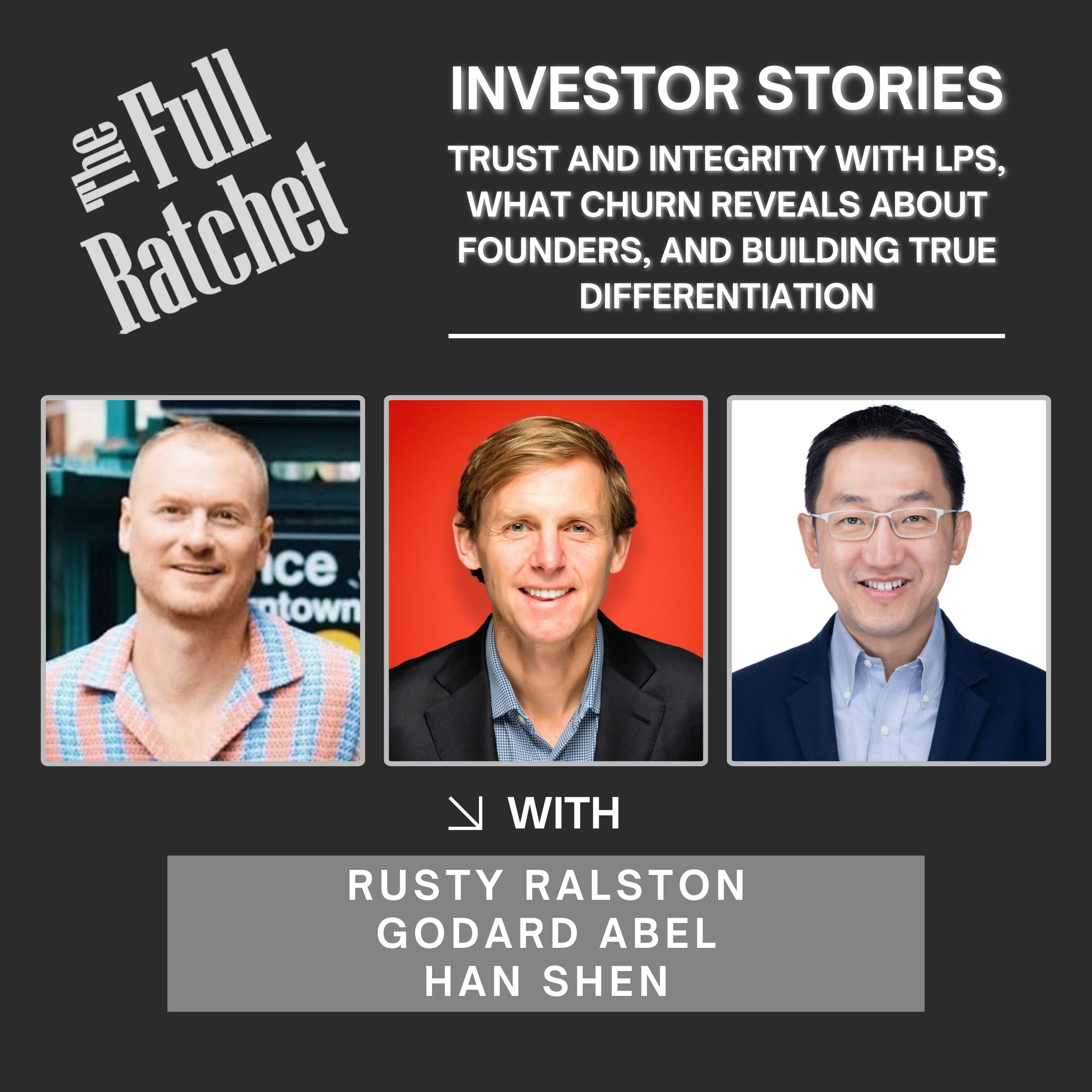
Swell VC's Rusty Ralston shares that the most insightful LPs probe a GP's character, values, and personal history. For multi-decade investment relationships, understanding the person is foundational to establishing the trust, character, and integrity required for long-term success, surpassing the importance of typical fund metrics.
It's easy for a General Partner (GP) to be a good partner when markets are strong and profitable. A GP's true character, integrity, and alignment with Limited Partners (LPs) are only tested when a downturn forces difficult conversations about shrinking profits and unmet expectations.