Get your free personalized podcast brief
We scan new podcasts and send you the top 5 insights daily.
When traditional metrics like ARR or DAUs are unavailable, ambitious hard-tech startups can leverage large, non-binding Letters of Intent (LOIs) from future customers to validate their vision and attract early-stage investment.

Related Insights
At its Series A, ServiceUp had "concept-market fit"—the core idea was compelling enough to attract investors and early customers—but not yet product-market fit. The product didn't fully solve the problem, but the vision was strong enough to secure the capital needed to continue building towards it.

It's possible to raise significant late-stage funding without revenue if you can demonstrate deep, sticky product love from a valuable user base, like developers. For investors like Sequoia, proving you've captured a hard-to-win market can be a more compelling signal than early revenue metrics.

While a fusion reactor can't be built in three months, YC pushes hardware and deep tech founders to create a tangible Minimum Viable Proof. This forces them to de-risk the venture by hitting a critical milestone, such as building a small-scale desert prototype or securing key letters of intent, proving traction on a non-obvious timeline.

The speaker advocates a four-step model: Validate, Pre-sell, Deliver, then Build. This approach prioritizes collecting payment based on a well-defined offer document before investing resources into product development, ensuring market demand and initial cash flow from day one.

Never start a business without first validating demand by securing commitments from at least three initial clients. This strategy ensures immediate revenue and proves product-market fit from day one, avoiding the common trap of building a service that nobody wants to buy.

Avoid the classic bootstrap vs. raise dilemma by using customer financing. Pre-sell your product or service to a group of early customers. This strategy not only provides the necessary starting capital without giving up equity but also serves as the ultimate form of market validation.
Investors like Stacy Brown-Philpot and Aileen Lee now expect founders to demonstrate a clear, rapid path to massive scale early on. The old assumption that the next funding round would solve for scalability is gone; proof is required upfront.
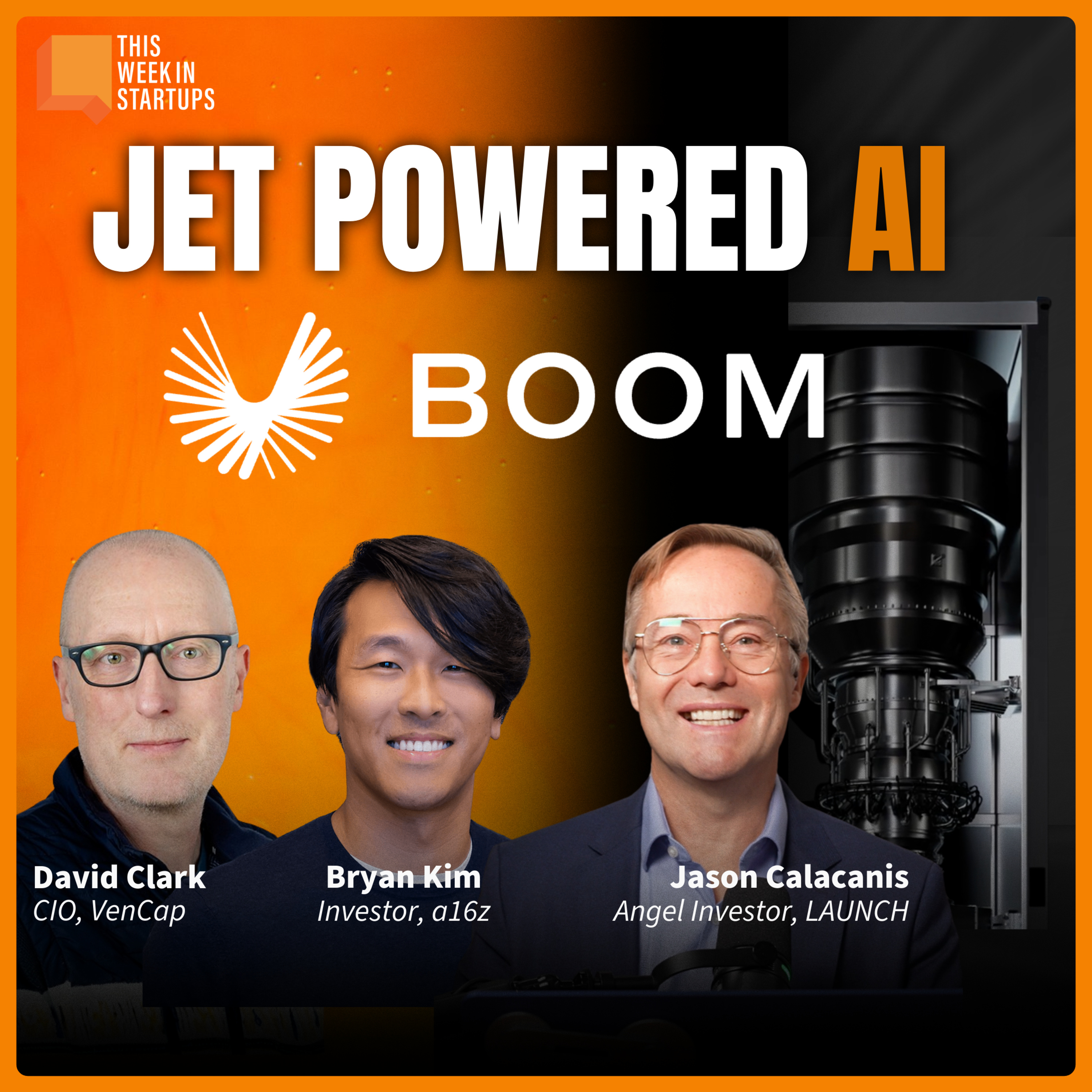
Boom Supersonic's move to power data centers with its engines isn't a failure, but a strategic way to fund its capital-intensive vision. This mirrors early Tesla's survival tactic of doing contract engineering for other automakers. Such projects can be a crucial source of non-dilutive capital for deep tech companies.
Crisp.ai's founder advocates for selling a product before it's built. His team secured over $100,000 from 30 customers using only a Figma sketch. This approach provides the strongest form of market validation, proving customer demand and significantly strengthening a startup's position when fundraising with VCs.
Validate market demand by securing payment from customers before investing significant resources in building anything. This applies to software, hardware, and services, completely eliminating the risk of creating something nobody wants to buy.