Get your free personalized podcast brief
We scan new podcasts and send you the top 5 insights daily.
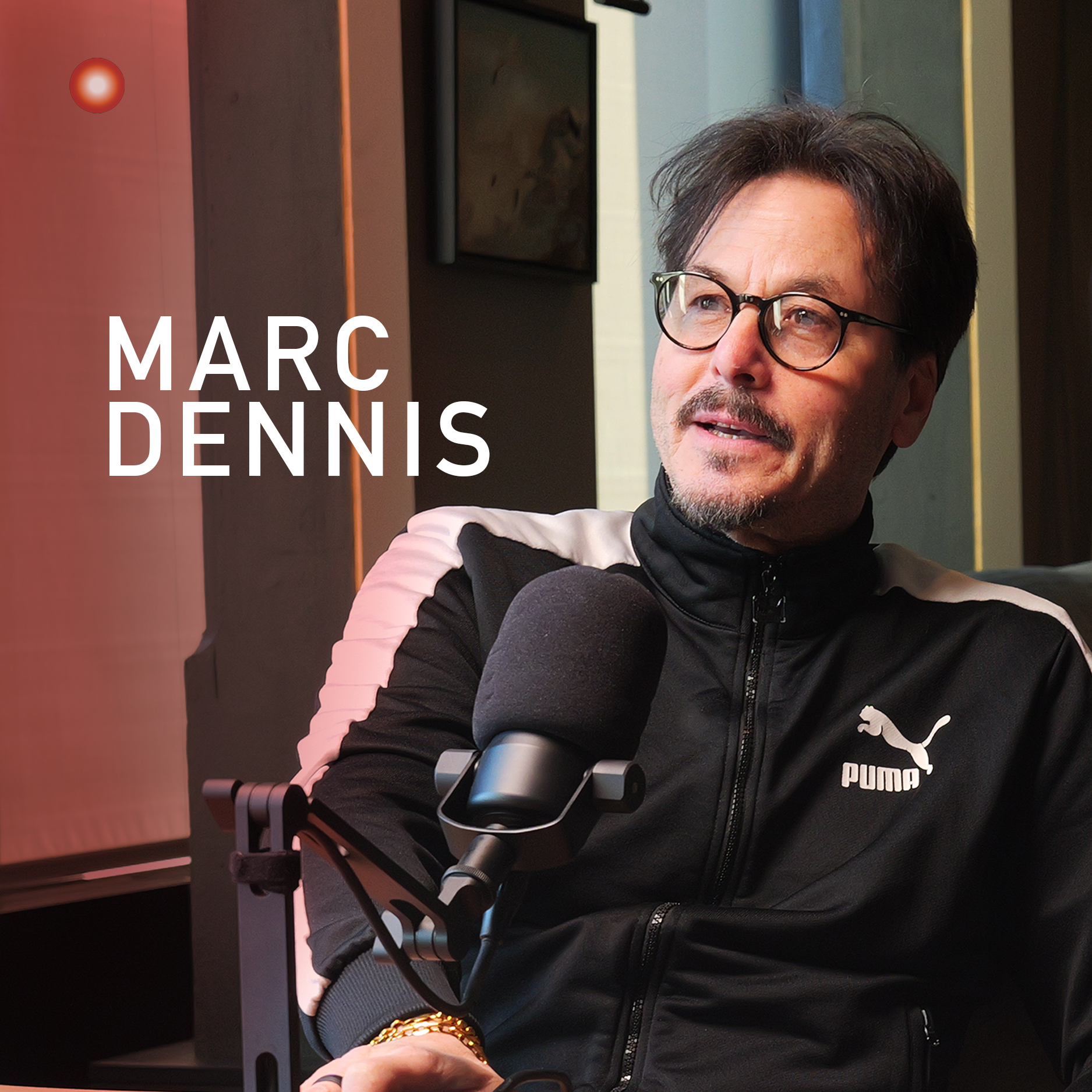
Feeling like an outsider in the traditional art world, Marc Dennis built his network at exclusive events. He connected directly with collectors and appreciators who became his patrons and advocates, creating an alternative support system that propelled his career outside of institutional validation.
Related Insights
Front Office Sports began by publishing informational interviews, reframing the ask from "can I pick your brain?" to "can I tell your story?" This granted more meaningful access to influential people who were eager to share their experiences, building a powerful network under the guise of content creation.

To avoid loneliness, successful entrepreneurs should cultivate two distinct friendship circles. One consists of industry peers who understand the unique challenges of their work. The other is made of local friends who connect with them as a person, completely separate from their professional identity.

The global "Copywriters Unite" community grew successfully by rejecting formal structures. Simple, recurring pub meetups with no tickets, speakers, or agenda create a low-pressure environment where authentic connections form easily around a shared professional identity.

Jesse Cole's success stems from "parallel thinking"—the ability to identify a core strategy in an unrelated industry (e.g., Grateful Dead's fan engagement) and apply its principles to his own business. This allows him to import proven models from outside his industry's echo chamber, leading to breakthrough ideas.

Bizzabo's founders, being new to the events industry, used their lack of preconceived notions to their advantage. They could question established norms and identify problems that insiders overlooked, leading to innovative solutions. This "beginner's mind" is a powerful disruptive tool.

Instead of offering a formula for success, artist Marc Dennis tells aspiring creatives that the key to failure is trying to please everyone. True artistic success requires finding and staying true to a unique voice, even if it disappoints others' expectations or preconceived notions.
Many viable products fail not because they are bad, but because the introverted creator cannot sell or network. The solution isn't to change their personality but to find a co-founder who excels at sales, fundraising, and client relations, creating an essential alchemy of talent.

There's a fundamental irony in creative careers: to succeed professionally, artists must often master the very business skills they initially disdained. The passion for the art form—be it drumming or painting—is not enough. A sustainable career is built upon learning marketing, finance, and management, effectively turning the artist into an entrepreneur to support their own creative output.

Despite being a top voice in his niche, Eric Coffey was denied speaking slots at industry events, which he found were often pay-to-play. He circumvented these gatekeepers by launching his own conference, creating a platform for himself and other successful minority contractors who were also being excluded.

Ed Helms argues that his persistence in comedy wasn't from confidence but from a deep belief in his path, reinforced by a community that validated his unusual aspirations. This peer support system is essential to counteract societal resistance and self-doubt.
