Get your free personalized podcast brief
We scan new podcasts and send you the top 5 insights daily.
Unlike the typical software founder, AI hardware entrepreneurs are often seasoned veterans from incumbents like Arista and Intel. This "throwback" founder profile is essential, as their deep experience and industry relationships are required to tackle the capital-intensive challenge of building the physical world for AI.

Related Insights
The current wave of AI founders are predominantly researchers and engineers, in contrast to previous cycles that saw more product managers and MBAs. While they may lack initial business sophistication, their deep technical expertise is the critical, hard-to-teach ingredient for success in this product cycle.
The venture capital industry has reversed its historical aversion to hardware. In an AI-driven market where software moats are shrinking, the difficulty and capital intensity of building physical products like robots are now seen as a source of strong, long-term defensibility.

While technical founders excel at finding an initial AI product wedge, domain-expert founders may be better positioned for long-term success. Their deep industry knowledge provides an intuitive roadmap for the company's "second act": expanding the product, aligning ecosystem incentives, and building defensibility beyond the initial tool.

The stereotype of the young founder is the exception, not the rule. The average founder of a top high-growth startup is 45. Older founders succeed by leveraging deep industry experience, wider networks, and a clearer understanding of specific customer problems to solve.

The ideal founding team for an AI startup can be an age-differentiated pair. A young, AI-native founder brings contrarian ideas and speed, while an older co-founder with big-tech experience provides structure, best practices, and operational discipline, creating a powerful balance.

The ideal founder profile for AI startups is shifting. Previously, deep domain expertise was paramount. Now, the winning archetype is a scrappy, fast-moving team that can keep pace with rapid model development and quickly productize the latest advancements, outpacing slower, more established experts in their respective fields.
There's a growing belief in venture that experienced, second-time founders may be at a disadvantage in the AI era. Younger founders who grew up natively with new tools can move faster because they don't have to unlearn established, but now obsolete, ways of working.

Most current VCs come from software backgrounds and lack the deep hardware expertise of 90s-era investors. This knowledge gap creates an arbitrage opportunity for those who can properly vet semiconductor and networking startups, avoiding hype cycles around inexperienced founders.

At the start of a tech cycle, the few people with deep, practical experience often don't fit traditional molds (e.g., top CS degrees). Companies must look beyond standard credentials to find this scarce talent, much like early mobile experts who weren't always "cracked" competitive coders.
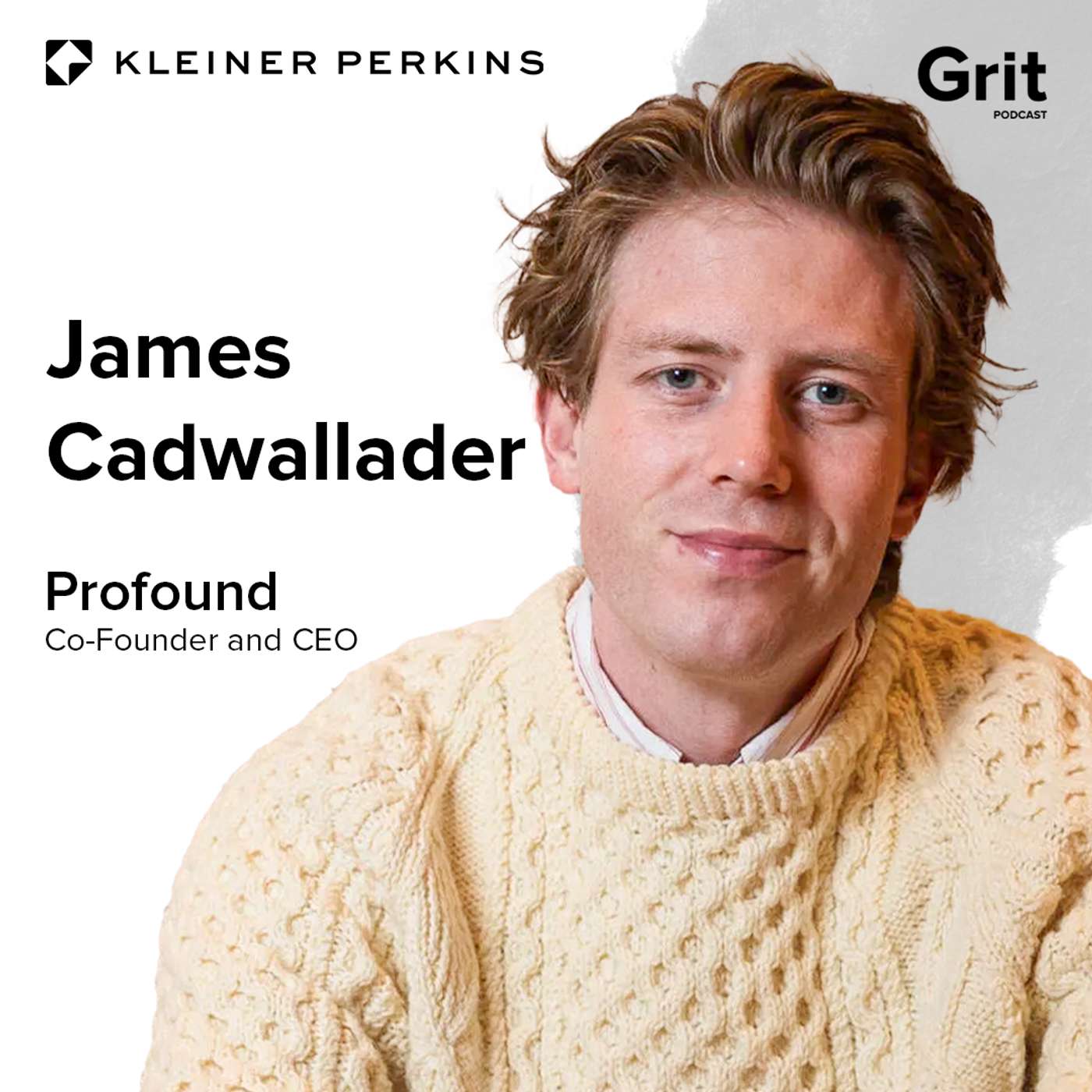
The AI startup scene is dominated by very young founders with no baggage and repeat entrepreneurs. Noticeably absent are mid-level managers from large tech companies, a previously common founder profile. This group appears hesitant, possibly because their established skills feel less relevant in the new AI paradigm.