Get your free personalized podcast brief
We scan new podcasts and send you the top 5 insights daily.
The current wave of AI founders are predominantly researchers and engineers, in contrast to previous cycles that saw more product managers and MBAs. While they may lack initial business sophistication, their deep technical expertise is the critical, hard-to-teach ingredient for success in this product cycle.

Related Insights
Major platform shifts like AI reward founders who are not burdened by historical context or "how things have been done before." This creates an environment where young, inexperienced teams working with high intensity (e.g., "9-9-6") can out-innovate incumbents with existing business models.
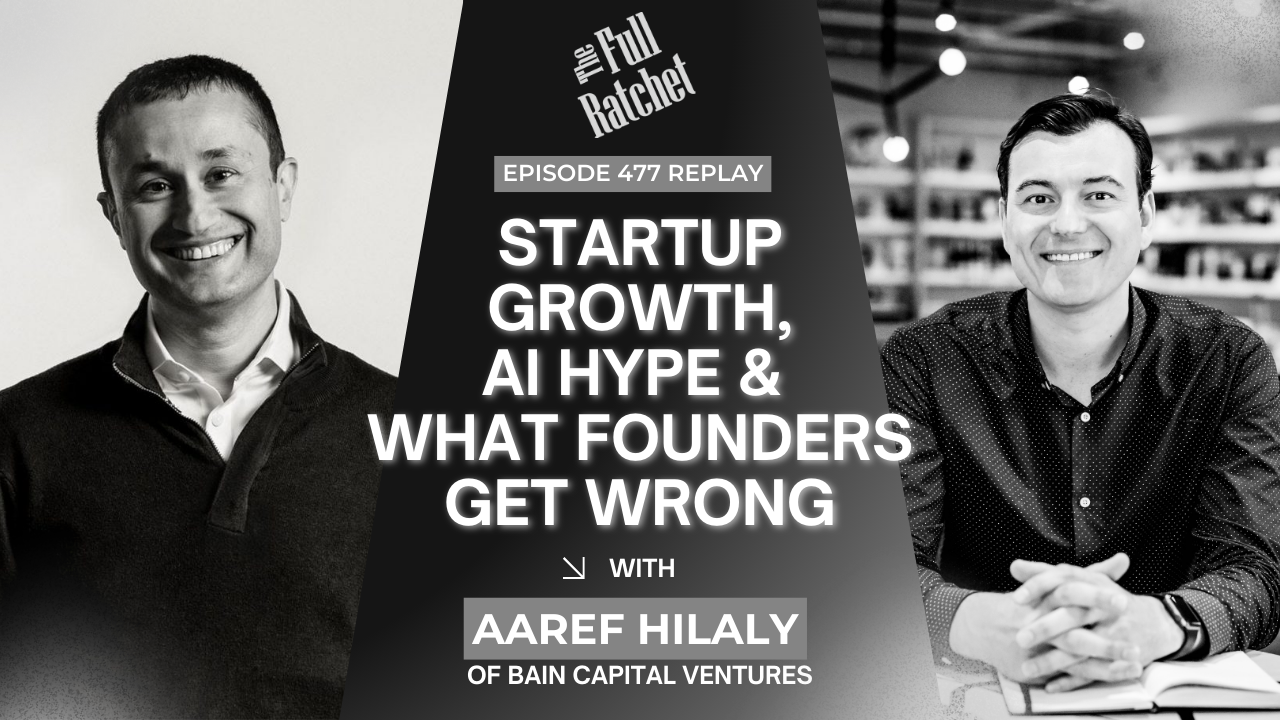
The ideal founder archetype starts with deep technical expertise and product sense. They then develop exceptional business and commercial acumen over time, a rarer and more powerful combination than a non-technical founder learning the product.
![David George - Building a16z Growth, Investing Across the AI Stack, and Why Markets Misprice Growth - [Invest Like the Best, EP.450] thumbnail](https://megaphone.imgix.net/podcasts/8da7dbd8-ceeb-11f0-941c-ef83bcdd4c9f/image/d44107bc94719f78fbe91befb141073e.jpg?ixlib=rails-4.3.1&max-w=3000&max-h=3000&fit=crop&auto=format,compress)
The ideal founder profile for vertical software has shifted. Previously, VCs backed deep domain experts from a specific industry. Now, with the rapid pace of AI model development, the advantage goes to scrappy, high-hustle teams whose ability to quickly productize the latest AI advancements is more valuable than static industry experience.

In the current AI paradigm shift, experience building and selling traditional SaaS products is less relevant. Young founders, as native adopters of new AI technology, are at an advantage because everyone is rewriting the rules in real-time, leveling the playing field.

Unlike prior tech waves where founders aimed to build companies, many top AI founders are singularly focused on achieving AGI. This unified "North Star" creates a unique tension between long-term research and near-term product goals, leading to unconventional founder and company dynamics.
In the current AI wave, young founders possess a unique advantage: they never learned the 'old way' of doing things. This lack of pre-AI mental baggage allows them to rethink entire workflows from first principles, giving them a speed and innovation edge over experienced operators who must first 'unlearn' old habits.

The ideal founder profile for AI startups is shifting. Previously, deep domain expertise was paramount. Now, the winning archetype is a scrappy, fast-moving team that can keep pace with rapid model development and quickly productize the latest advancements, outpacing slower, more established experts in their respective fields.
There's a growing belief in venture that experienced, second-time founders may be at a disadvantage in the AI era. Younger founders who grew up natively with new tools can move faster because they don't have to unlearn established, but now obsolete, ways of working.

The current generation of AI founders operates with a fundamentally different ethos. They build extremely lean, aggressive teams that work constantly and leverage advanced AI tools like agent swarms from the start, a stark contrast to the less efficient, headcount-driven growth of the last decade.
The AI startup scene is dominated by very young founders with no baggage and repeat entrepreneurs. Noticeably absent are mid-level managers from large tech companies, a previously common founder profile. This group appears hesitant, possibly because their established skills feel less relevant in the new AI paradigm.