Get your free personalized podcast brief
We scan new podcasts and send you the top 5 insights daily.
The true power of AI agents lies in full-cycle automation. An agent can be built to scrape customer pain points for ad ideas, generate creative, publish campaigns via API, analyze live performance data, and then automatically reallocate budget by disabling underperformers and scaling winners.
![Claude Code marketing masterclass [from idea to making $$] thumbnail](https://assets.flightcast.com/workspaces/vde7jbg9rfhsyiw9o46f9sj8/podcasts/ordbkg8yojpehffas7vr7qpc/t8c97hs8oy7a2xnobsfu5p42.jpg)
Related Insights
The next wave of AI isn't just about single-function tools. It's about agents that act like team members, executing complex, multi-step tasks like competitor research, ad creation, and performance analysis based on a single prompt.

The next evolution, the Generative Ads Recommendation Model (GEM), aims to fully automate ad creation. Marketers will simply provide an image and a budget, and the AI will generate the entire ad library. This shifts the marketer's primary value from ad creation to optimizing the post-click customer journey and offer.

Beyond just generating creative, the future of AI in CRM is using "agentic AI" to build better strategies. This involves agents that help define audience segments, determine the next best product or action, and accelerate the implementation of complex campaigns, enhancing human strategy rather than replacing it.

A powerful model for marketing automation involves an agent that not only posts content but also analyzes its performance across the entire funnel—from views down to app conversions. It then identifies successful patterns and generates new content based on those learnings, creating a self-improving engine.
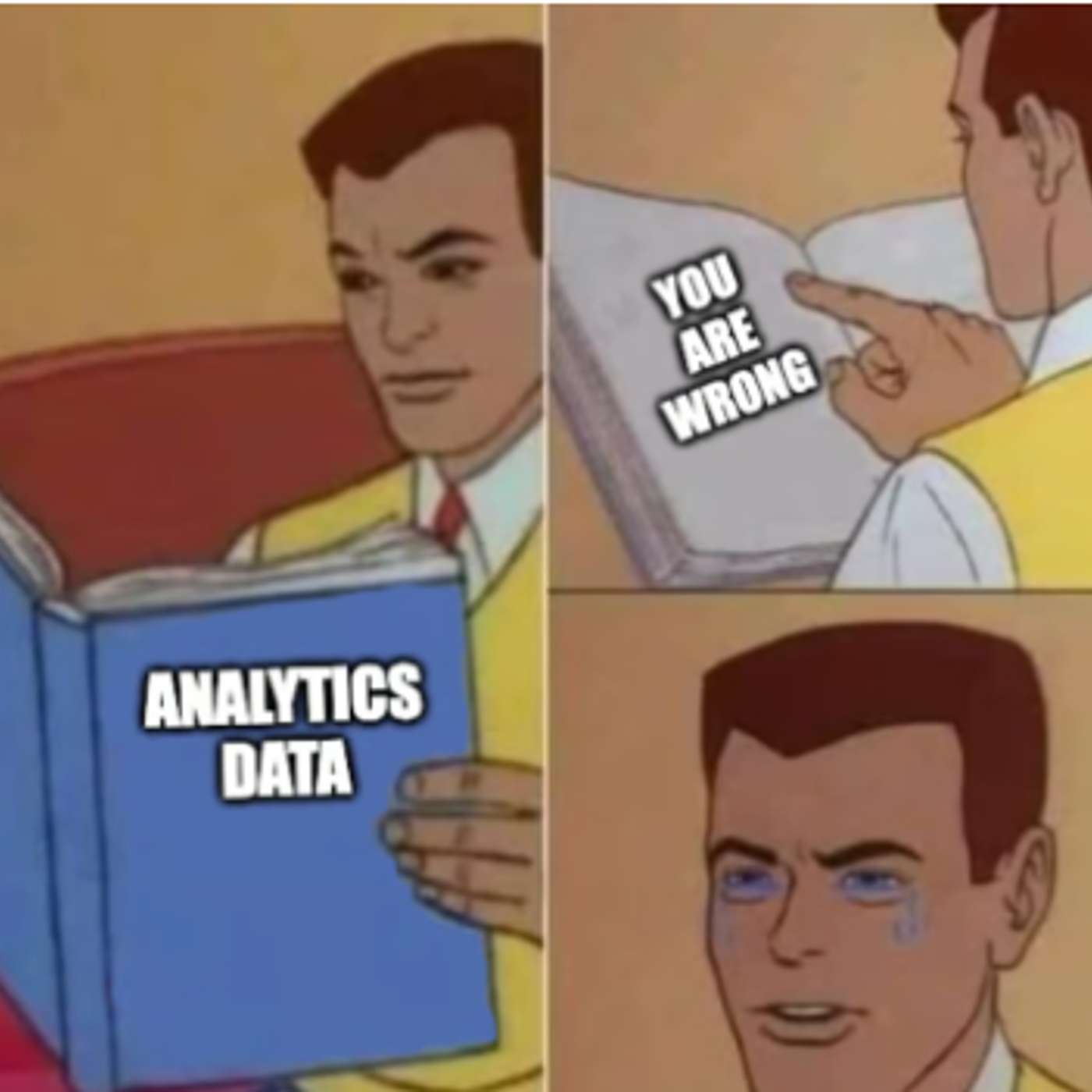
The primary role of AI in marketing isn't to replace creative work but to automate the complex process of understanding customer behavior. AI systems continuously analyze data to answer critical questions about conversion, value, and budget waste, freeing up humans for strategic tasks.
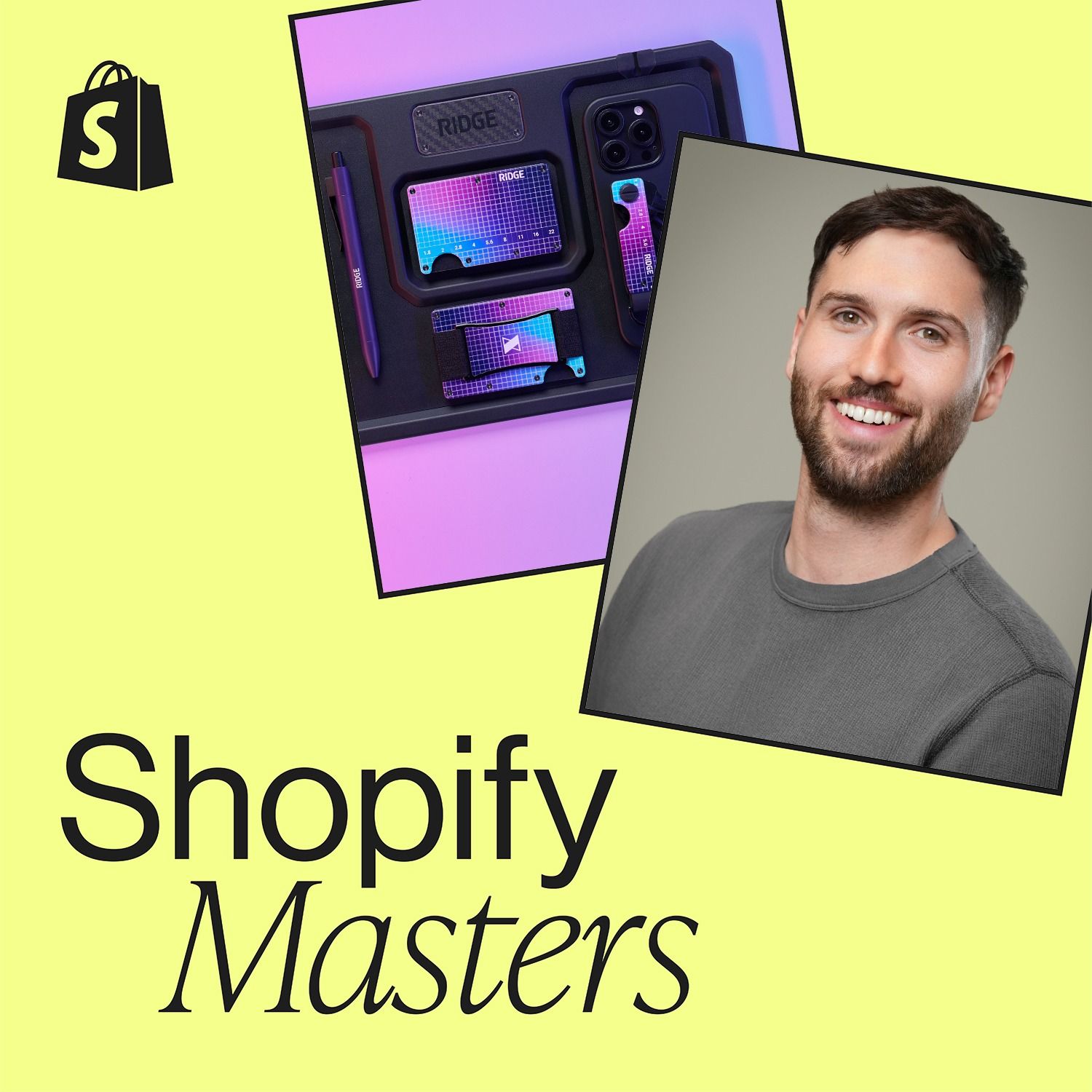
Ridge automates ad creation using a custom GPT and N8N, producing 500 static ads daily. Even if 90% are unusable, the remaining 50 ads provide a constant stream of testable creative, increasing the chances of finding winning variants for personalized campaigns at scale.
The true power of AI agents lies in creating a recursive feedback loop. By ingesting ad performance data, they can autonomously analyze what works, iterate on creative, and launch new versions, far outpacing human-led optimization cycles.
Early AI adoption focused on idea generation and copy help. The next wave involves autonomous AI agents that execute tasks like creating webpages, optimizing campaigns, and auto-building reports, moving AI from a thought-partner to an active tool that 'does' the work.

There's a significant gap where marketers leverage AI for brainstorming and copy help, but few use autonomous AI agents to execute tasks like creating webpages, optimizing campaigns, or building reports.
Snowflake moved beyond basic AI tools by building proprietary agentic models. One agent analyzes campaign data in real-time to optimize ad spend and ROI. A second 'competing agent' provides on-demand talking points for sales and marketing to use against specific competitors, solving a massive enablement challenge.