Get your free personalized podcast brief
We scan new podcasts and send you the top 5 insights daily.
Writer-producer Rhett Reese's terrified reaction to an AI video signals a belief among insiders that AI will democratize filmmaking to the point where one talented individual can rival a major studio, decimating the current production model.

Related Insights
The fear that AI will replace top artists is misplaced. The correct framing is what happens when top talent gets AI tools. A director like Steven Spielberg could potentially increase their output 20-fold for a fraction of the cost, leading to a massive increase in high-quality creative work.

The traditional Hollywood production model, with its bloated crews and high costs, is unsustainable. AI will drastically lower production costs while audience preferences shift to short-form video. This dual threat will force a brutal economic reckoning and consolidation.

AI's ability to generate Hollywood-quality films or other complex media for an individual user will lead to extreme market fragmentation. This hyper-personalization won't just transform creative industries like film; it could completely erase them by dissolving the shared cultural experiences that underpin them.

AI will empower creators by allowing them to translate ideas directly into finished products, bypassing traditional technical skill requirements like musical rhythm or film production. This shift will place a premium on raw creativity and vision over trained execution.

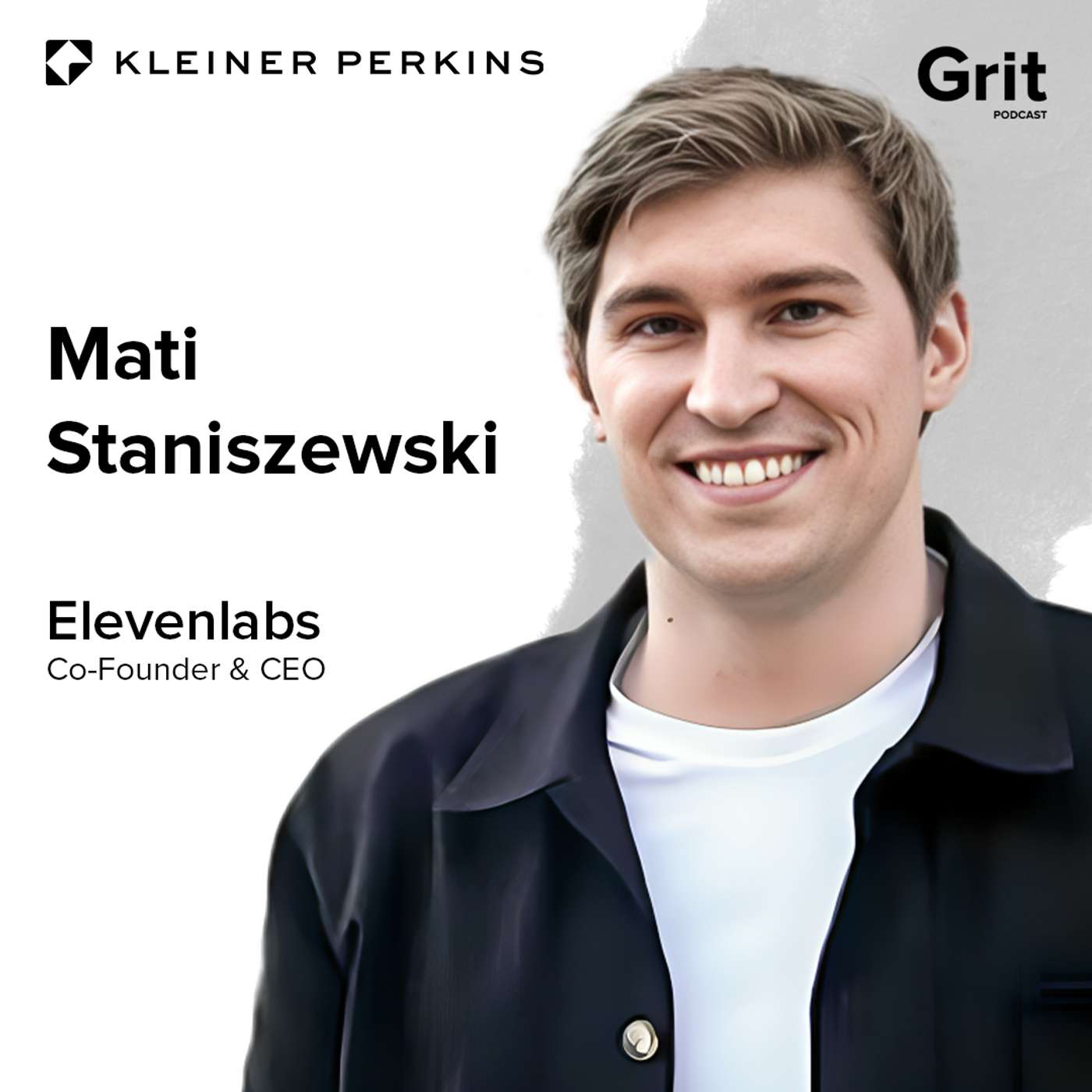
ElevenLabs' CEO predicts AI won't enable a single prompt-to-movie process soon. Instead, it will create a collaborative "middle-to-middle" workflow, where AI assists with specific stages like drafting scripts or generating voice options, which humans then refine in an iterative loop.
Social media allows anyone to be a "reality TV star," but creating high-production fiction requires immense capital. As AI tools democratize filmmaking, countless talented storytellers who prefer working behind the scenes—the Christopher Nolans of the world—can finally produce their visions.

The OpenAI team believes generative video won't just create traditional feature films more easily. It will give rise to entirely new mediums and creator classes, much like the film camera created cinema, a medium distinct from the recorded stage plays it was first used for.

AI will commoditize the *act* of creating content (the 'doing'). The value will shift entirely to the *idea* behind the content (the 'thinking'), making strategic creativity the most valuable skill.
The most tangible fear of AI in Hollywood isn't replacing A-list actors, who have leverage for consent and compensation. The immediate threat is to production jobs—grips, makeup—as AI enables digital reshoots and effects, reducing the need for on-set labor.

An AI CEO predicts that within two years, AI tools will make content creation instantaneous and nearly free. This will destroy traditional moats like audience loyalty and production quality, as anyone can generate photorealistic content. The market will shift focus from the creator to the individual content piece.
