Get your free personalized podcast brief
We scan new podcasts and send you the top 5 insights daily.
The traditional Hollywood production model, with its bloated crews and high costs, is unsustainable. AI will drastically lower production costs while audience preferences shift to short-form video. This dual threat will force a brutal economic reckoning and consolidation.

Related Insights
As AI tools enable millions of amateur creators to produce professional-quality content, platforms like YouTube and Spotify become less reliant on a small number of mainstream media giants. This diffusion of content creation shifts bargaining power away from traditional studios and labels to the platforms themselves.
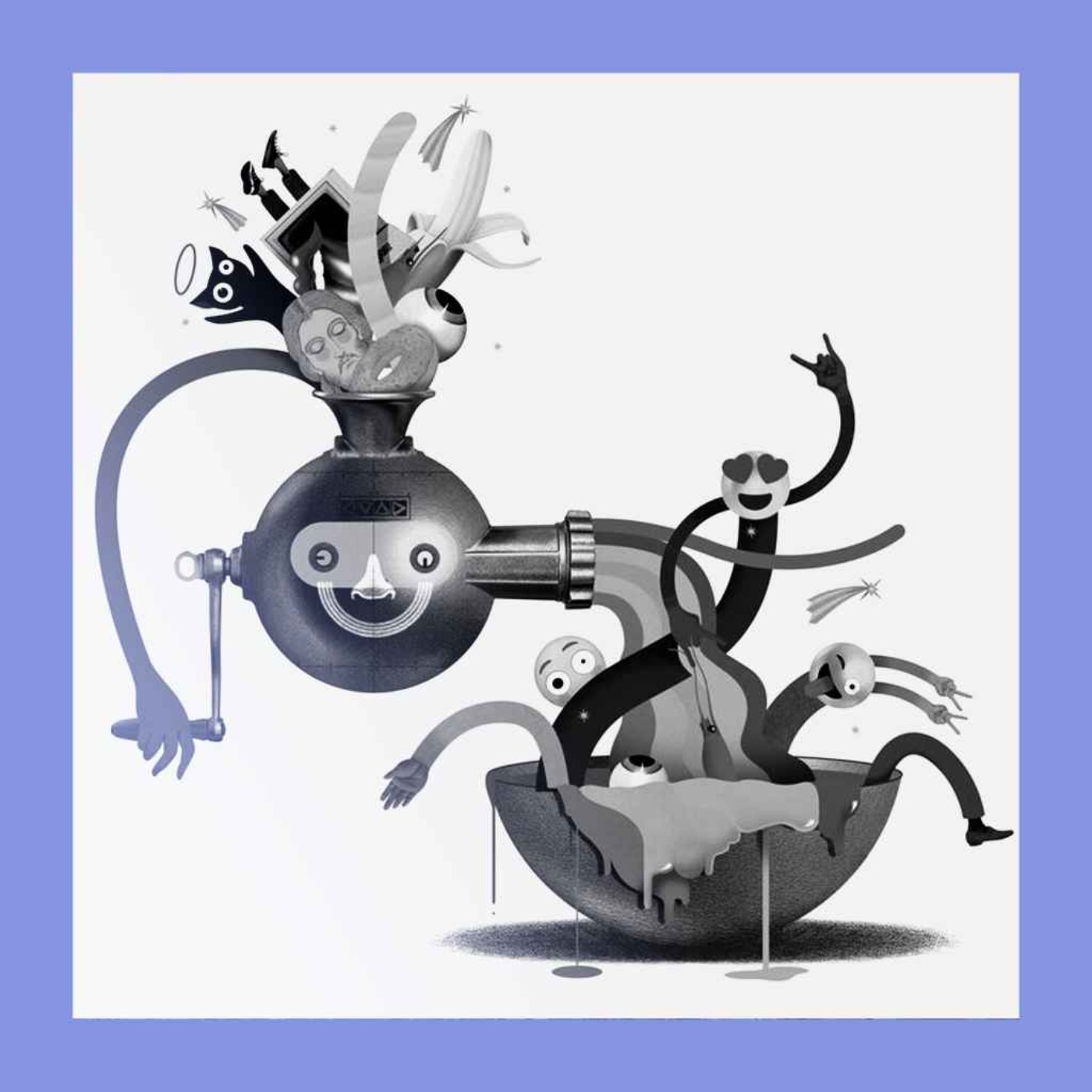
Don't view generative AI video as just a way to make traditional films more efficiently. Ben Horowitz sees it as a fundamentally new creative medium, much like movies were to theater. It enables entirely new forms of storytelling by making visuals that once required massive budgets accessible to anyone.

Hollywood's current crisis is self-inflicted, stemming from a decades-long failure to adapt its business models and economics. Instead of innovating to compete with tech-driven services like Netflix, the industry persisted with inefficient structures and is now blaming disruptors for inevitable consumer-driven changes.
Social media allows anyone to be a "reality TV star," but creating high-production fiction requires immense capital. As AI tools democratize filmmaking, countless talented storytellers who prefer working behind the scenes—the Christopher Nolans of the world—can finally produce their visions.

The OpenAI team believes generative video won't just create traditional feature films more easily. It will give rise to entirely new mediums and creator classes, much like the film camera created cinema, a medium distinct from the recorded stage plays it was first used for.

The underlying driver for major media shifts, from studio mergers to the pivot of podcasts to video, is YouTube's complete platform domination. Its ability to distribute all types of content at scale is forcing legacy media to consolidate and creators to adapt to its video-first ecosystem.

AI will commoditize the *act* of creating content (the 'doing'). The value will shift entirely to the *idea* behind the content (the 'thinking'), making strategic creativity the most valuable skill.

The most tangible fear of AI in Hollywood isn't replacing A-list actors, who have leverage for consent and compensation. The immediate threat is to production jobs—grips, makeup—as AI enables digital reshoots and effects, reducing the need for on-set labor.

Platforms like Sora represent a new phase where content is generated on the fly, tailored to maximize individual user attention. This devalues the role of human creators, as platforms no longer depend on them to fill their content catalogs, fundamentally altering the media landscape.
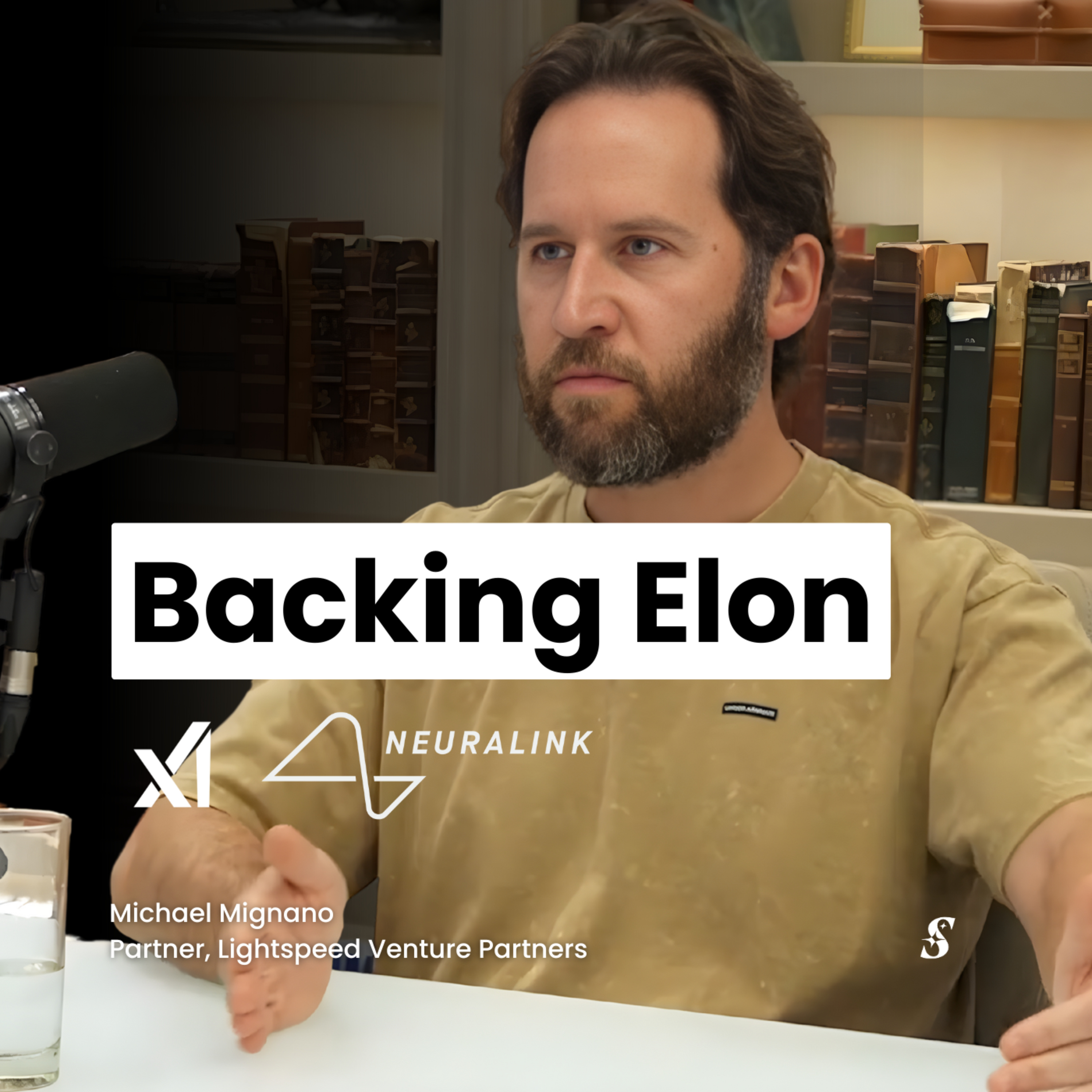
An AI CEO predicts that within two years, AI tools will make content creation instantaneous and nearly free. This will destroy traditional moats like audience loyalty and production quality, as anyone can generate photorealistic content. The market will shift focus from the creator to the individual content piece.
