Get your free personalized podcast brief
We scan new podcasts and send you the top 5 insights daily.
The most tangible fear of AI in Hollywood isn't replacing A-list actors, who have leverage for consent and compensation. The immediate threat is to production jobs—grips, makeup—as AI enables digital reshoots and effects, reducing the need for on-set labor.

Related Insights
Unlike past industrial shifts, AI's impact won't be contained to specific industries. Once AI can perfectly replicate a human worker behind a keyboard, video, and mouse, it will trigger a simultaneous displacement wave across all remote-capable jobs.

Beyond displacing current workers, AI will lead to hiring "abatement," where companies proactively eliminate roles from their hiring plans altogether. This is a subtle but profound workforce shift, as entire job categories may vanish from the market before employees can be retrained.

Unlike the tech industry's forward-looking nostalgia, Hollywood's culture is rooted in preserving traditional filmmaking processes. This cultural attachment makes the creative community view AI not just as a job threat, but as an unwelcome disruption to the established craft and order, slowing its adoption as a creative tool.

While generative video gets the hype, producer Tim McLear finds AI's most practical use is automating tedious post-production tasks like data management and metadata logging. This frees up researchers and editors to focus on higher-value creative work, like finding more archival material, rather than being bogged down by manual data entry.
The conversation around AI and job reduction has moved from hypothetical to operational. Leaders are being instructed by boards and investors to prepare for 10-20% workforce cuts, ready to be executed. This isn't a future possibility; it's an active, ongoing preparation phase within many large companies.
Former DreamWorks CEO Jeffrey Katzenberg compares the current backlash against AI in creative fields to the initial revolt from traditional animators against computer graphics. He argues that, like computer animation, AI's adoption is an unstoppable technological shift that creators will either join or be left behind by.

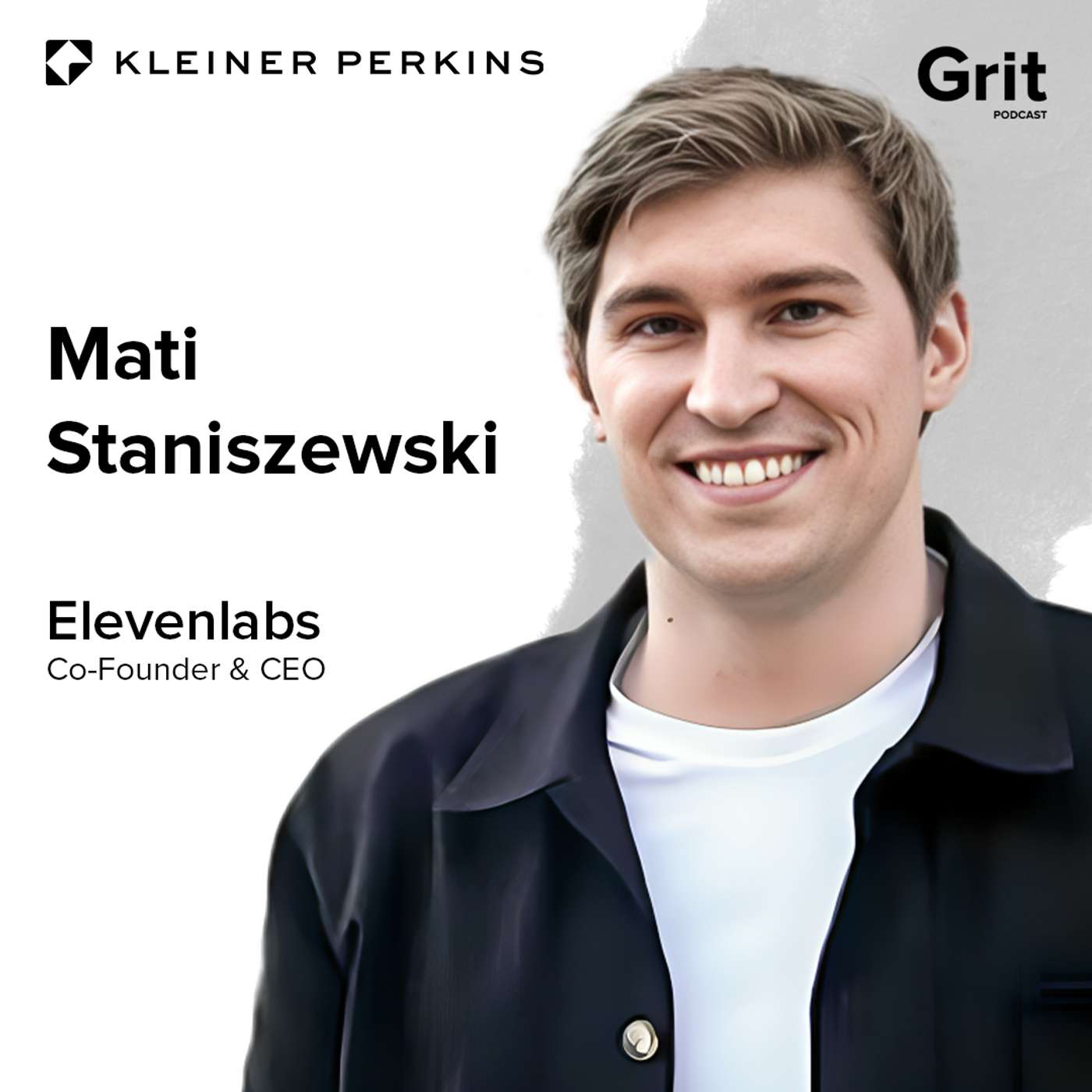
ElevenLabs' CEO predicts AI won't enable a single prompt-to-movie process soon. Instead, it will create a collaborative "middle-to-middle" workflow, where AI assists with specific stages like drafting scripts or generating voice options, which humans then refine in an iterative loop.
The OpenAI team believes generative video won't just create traditional feature films more easily. It will give rise to entirely new mediums and creator classes, much like the film camera created cinema, a medium distinct from the recorded stage plays it was first used for.

An AI CEO predicts that within two years, AI tools will make content creation instantaneous and nearly free. This will destroy traditional moats like audience loyalty and production quality, as anyone can generate photorealistic content. The market will shift focus from the creator to the individual content piece.

The immediate threat of AI is to entry-level white-collar jobs, not senior roles. Senior staff can now use AI to perform the "grunt work" of research and drafting previously assigned to apprentices. This automates the traditional career ladder, making it harder for new talent to enter professions like law, finance, and consulting.