Get your free personalized podcast brief
We scan new podcasts and send you the top 5 insights daily.
Peter Crouch draws a distinction between top-level players who enjoy their wins and the truly elite (like Gerrard or Rooney) who rarely do. The elite mindset is one of perpetual dissatisfaction, immediately focusing on the next challenge or flaw, which fuels greatness at the cost of present enjoyment.

Related Insights
True competitive belief is not the delusion that you'll win every time. It's the persistent conviction that you *can* win, even against seasoned champions. This “chip on the shoulder” mentality fuels the underdog energy needed to create upsets and build momentum.

High performers are driven by obsession, not just passion. The key social difference is that passion is universally applauded, while obsession is often met with concern and questions like "Why can't you be satisfied?". This external skepticism is an indicator that you are operating at your potential's edge.

Top performers often exist in a state of constant calculation. The key to sustainable excellence is learning to consciously switch between being 'on the field' (strategizing) and 'off the field' (being present). Deliberately switching off sharpens focus and makes you more effective when you are back 'on'.
![Ari Emanuel - The Anti-AI Bet - [Invest Like the Best, EP.448] thumbnail](https://megaphone.imgix.net/podcasts/c5910280-c4dd-11f0-94be-ab6a7a5865b0/image/1e5a2263eb62fcde200846919e24419a.jpg?ixlib=rails-4.3.1&max-w=3000&max-h=3000&fit=crop&auto=format,compress)
The greatest performers, from athletes to companies, are not just the most talented; they are the best at getting better faster. An obsession with root-cause analysis and a non-defensive commitment to improvement is the key to reaching otherwise unachievable levels of success.

What separates truly great athletes like Tom Brady isn't just talent, but their ability to perform at an elite level even when every opponent's game plan is specifically designed to stop them. True greatness is sustained production despite being the focus of opposition.

Counterintuitively, Peter Crouch reveals he played his best when facing problems off the field. The pitch served as a "sanctuary" from his personal life, allowing him to compartmentalize and channel all his focus into the game as a form of productive escapism.
Many successful people maintain their drive by constantly focusing on what's missing or the next goal. While effective for achievement, this creates a permanent state of scarcity and lack, making sustained fulfillment and happiness impossible. It traps them on a 'hamster wheel of achievement'.
The key differentiator for top performers is that their mind overrules their feelings. Feelings suggest quitting, offer excuses, and lead to overthinking. A strong mind makes a decision and executes, driving resilience and action despite emotional resistance or doubt.
Author Eduardo Briseño introduces the 'Performance Paradox': focusing only on execution and minimizing mistakes keeps you stagnant. The highest achievers do not improve simply by doing their job more. They deliberately step out of the high-stakes 'performance zone' to work on their weaknesses in a 'learning zone', which ultimately fuels superior performance.

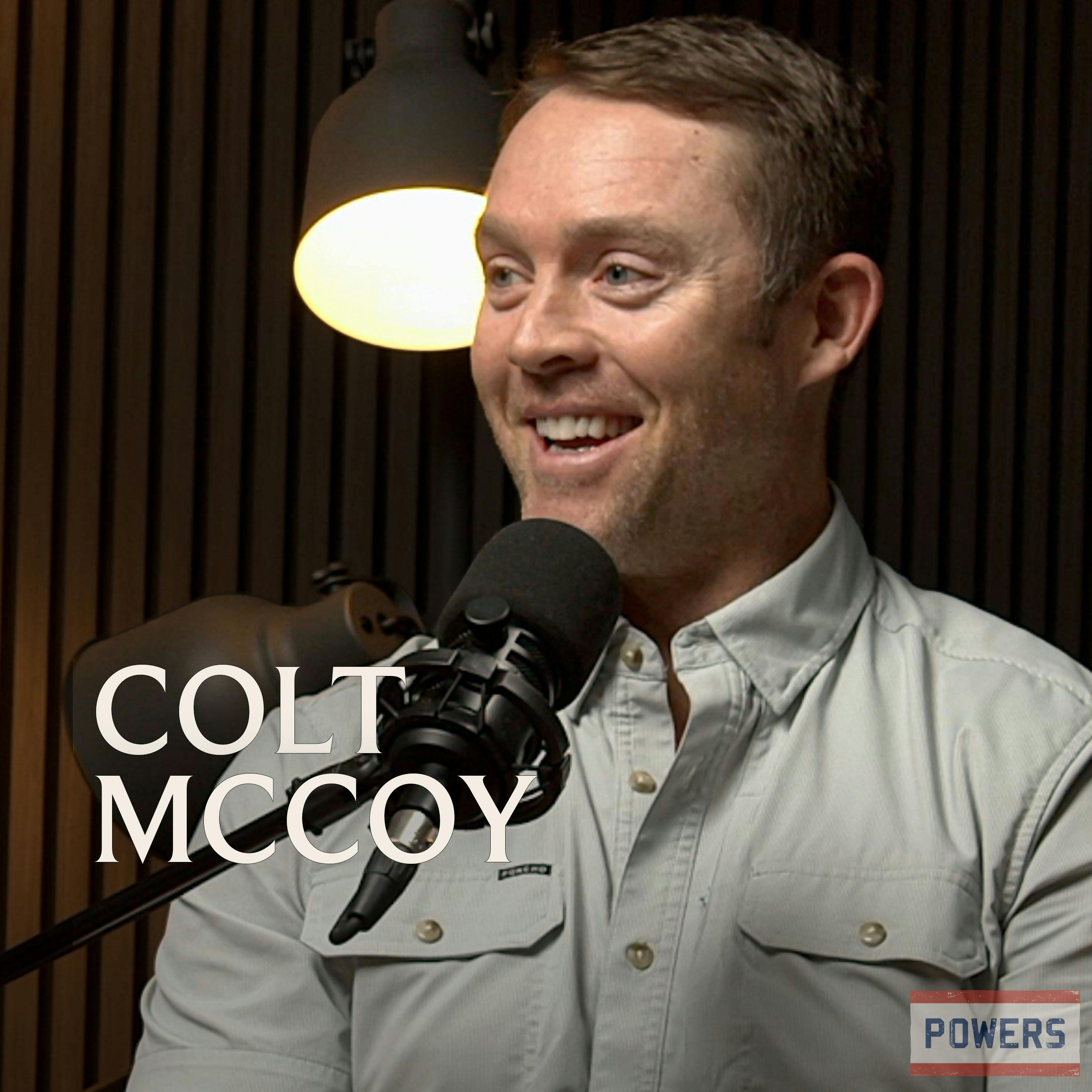
Succeeding NFL phenom Vince Young at Texas, Colt McCoy knew he couldn't match Young's physical gifts. He instead focused his energy on mastering the mental game—deeply understanding schemes, coverages, and play calls—to create his own unique and sustainable competitive advantage.