Get your free personalized podcast brief
We scan new podcasts and send you the top 5 insights daily.
What separates truly great athletes like Tom Brady isn't just talent, but their ability to perform at an elite level even when every opponent's game plan is specifically designed to stop them. True greatness is sustained production despite being the focus of opposition.

Related Insights
Top performers often exist in a state of constant calculation. The key to sustainable excellence is learning to consciously switch between being 'on the field' (strategizing) and 'off the field' (being present). Deliberately switching off sharpens focus and makes you more effective when you are back 'on'.
![Ari Emanuel - The Anti-AI Bet - [Invest Like the Best, EP.448] thumbnail](https://megaphone.imgix.net/podcasts/c5910280-c4dd-11f0-94be-ab6a7a5865b0/image/1e5a2263eb62fcde200846919e24419a.jpg?ixlib=rails-4.3.1&max-w=3000&max-h=3000&fit=crop&auto=format,compress)
The greatest performers, from athletes to companies, are not just the most talented; they are the best at getting better faster. An obsession with root-cause analysis and a non-defensive commitment to improvement is the key to reaching otherwise unachievable levels of success.

To overcome a mediocre career start, Peyton Manning didn't study his successes. He meticulously analyzed film of his interceptions and, more importantly, passes that *should have been* intercepted but weren't due to luck. This radical candor about both actual and potential failures is a key habit of elite performers.

Great leaders motivate their teams by consistently showing up as the same person every day, regardless of wins or losses. This predictable behavior builds trust and focuses the team on sustainable, incremental improvements—the "tiny drops of water" that build an ocean—rather than relying on inconsistent, high-emotion tactics.
The key differentiator for top performers is that their mind overrules their feelings. Feelings suggest quitting, offer excuses, and lead to overthinking. A strong mind makes a decision and executes, driving resilience and action despite emotional resistance or doubt.

Top performers don't eliminate the fear of rejection; they diminish its power through repeated exposure. This 'obstacle immunity' conditions them to act despite their brain's natural fear response, just as an expert skydiver still feels fear but jumps anyway.

Motivation is a fleeting emotion, making it a poor foundation for long-term success. True excellence comes from building habits based on discipline and consistency, which are conscious choices that allow for progress even when motivation is absent.

Author Eduardo Briseño introduces the 'Performance Paradox': focusing only on execution and minimizing mistakes keeps you stagnant. The highest achievers do not improve simply by doing their job more. They deliberately step out of the high-stakes 'performance zone' to work on their weaknesses in a 'learning zone', which ultimately fuels superior performance.
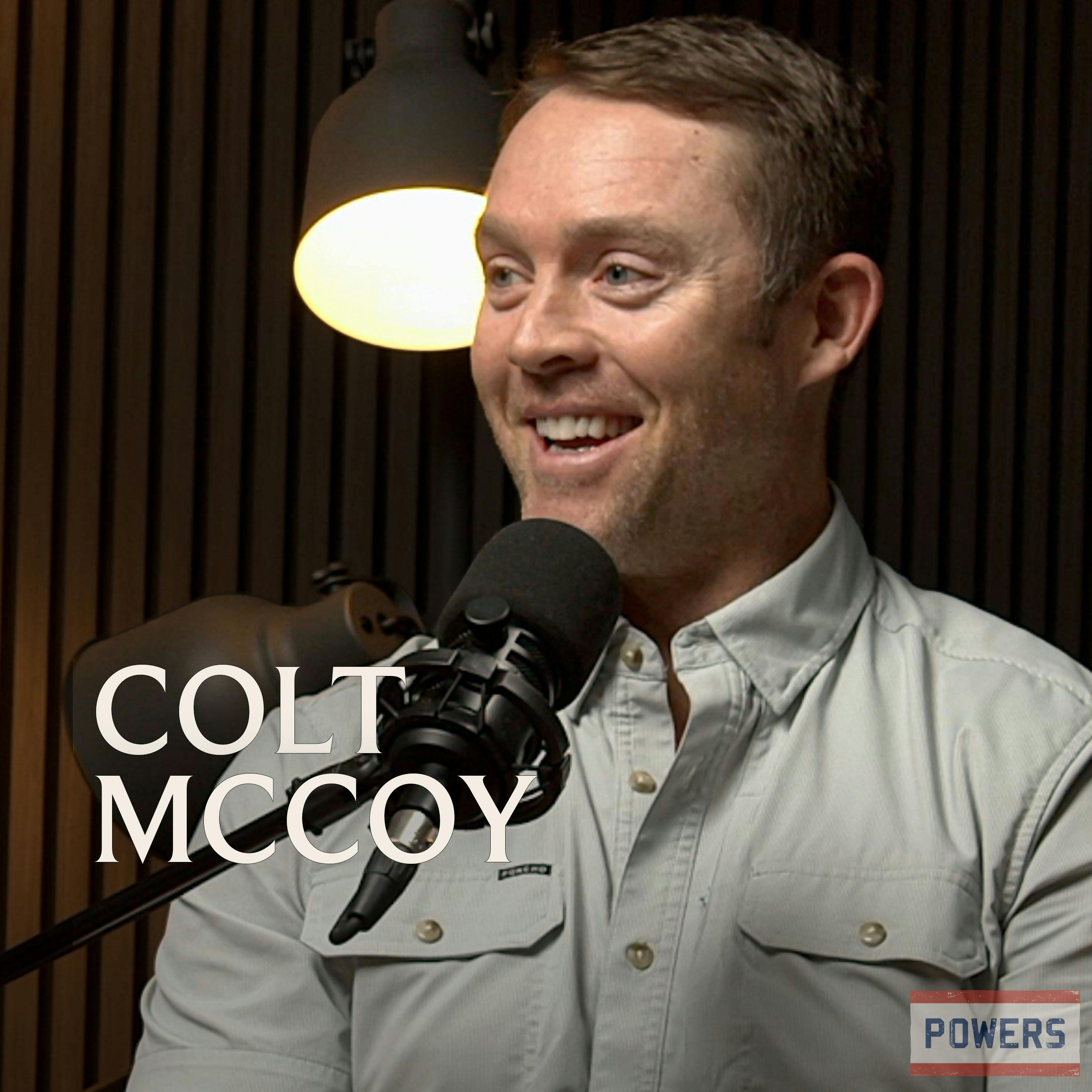
Succeeding NFL phenom Vince Young at Texas, Colt McCoy knew he couldn't match Young's physical gifts. He instead focused his energy on mastering the mental game—deeply understanding schemes, coverages, and play calls—to create his own unique and sustainable competitive advantage.
At the highest levels of competition, success comes from pushing the game into chaotic territory where standard playbooks fail. The goal is to master fear while navigating the "space after everyone's prepared." This psychological edge exploits opponents' discomfort in unpredictable situations, creating a significant advantage.