Get your free personalized podcast brief
We scan new podcasts and send you the top 5 insights daily.
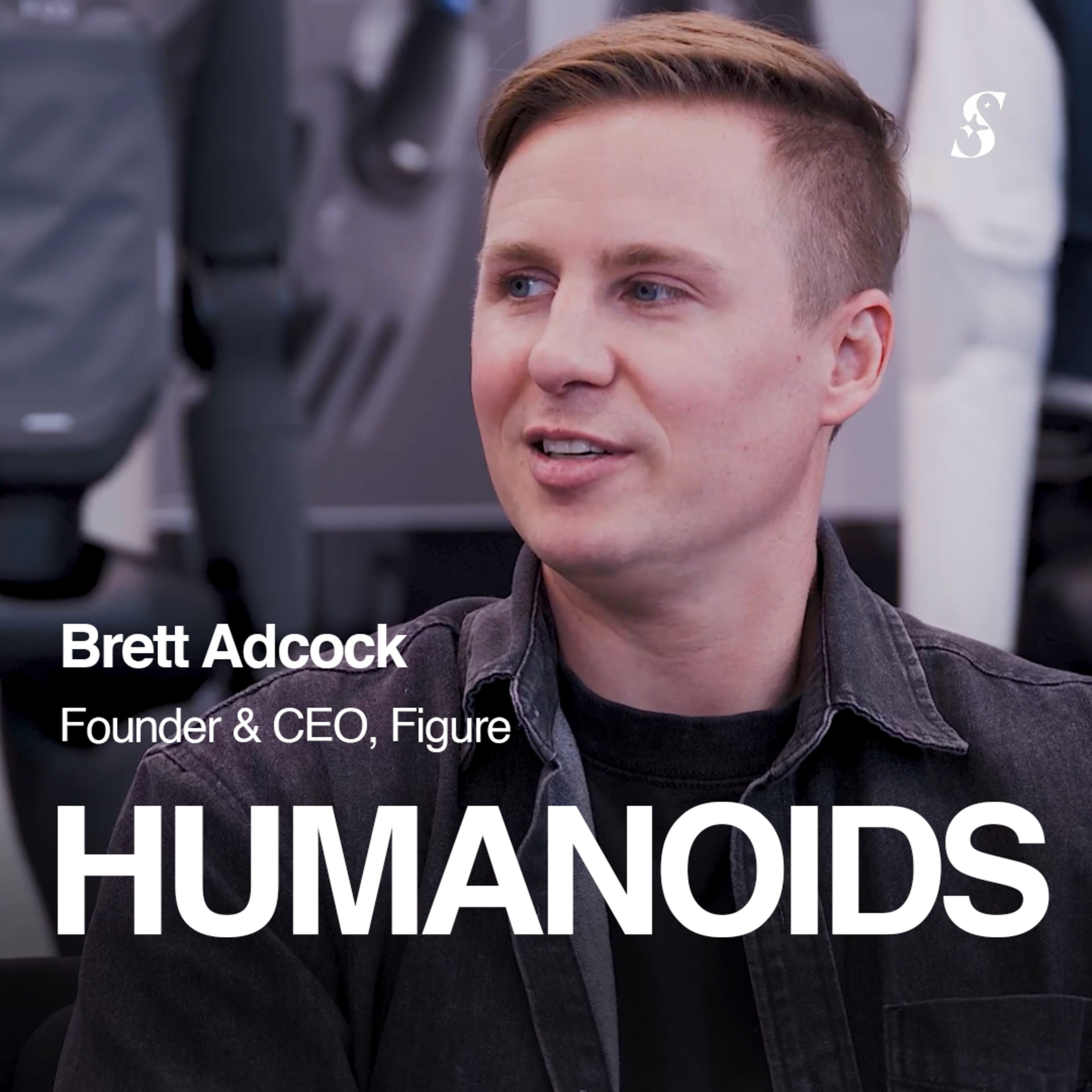
Adcock founded not only Figure but also Cover (weapons detection) and HARC (AI). His thesis for serial entrepreneurship is to intervene in critical sectors he feels are progressing too slowly or with flawed engineering decisions, believing his direct involvement is necessary to correct their trajectory and accelerate progress.
Related Insights
Exceptional founders like Kyle Hanselowen of Huntress identify and commit to underserved markets, such as cybersecurity for SMBs, long before they become obvious. Their success hinges on this unique market view and the personal grit to evolve and reinvent themselves as the company scales.
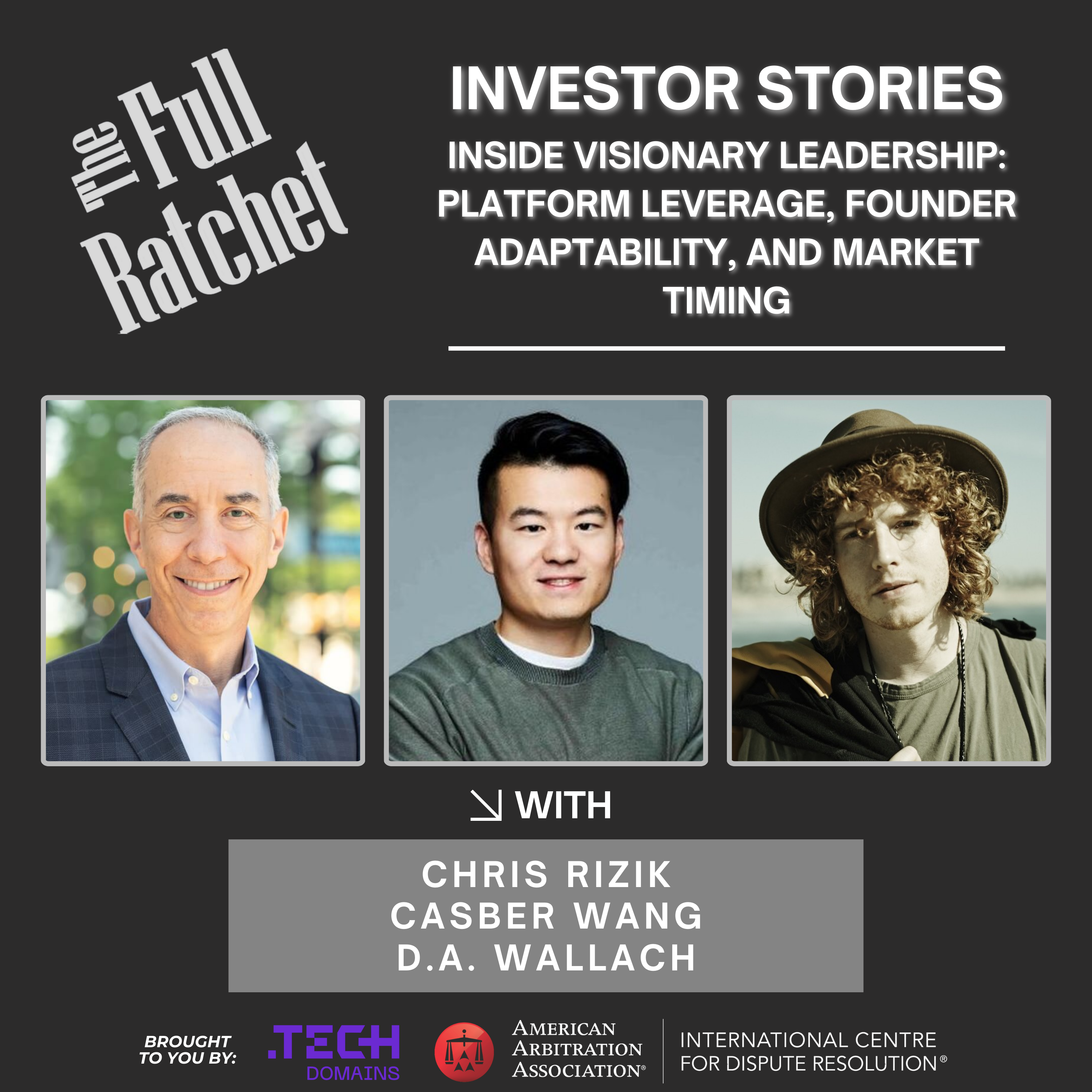
True entrepreneurial success isn't about chasing hot topics like AI. It's about finding a niche, boring problem and developing a deep, multi-decade obsession with it. This requires a unique ability to find interest where others see none, which is a powerful competitive moat.
![William Hockey - Building the Operating System for the Dollar and Silicon Valley Heresy - [Invest Like the Best, EP.463] thumbnail](https://megaphone.imgix.net/podcasts/fafd11c6-2198-11f1-9f4c-331b7fdffb5f/image/c8ee4ccf34b48dd3ef4ded6a34c1f70c.jpg?ixlib=rails-4.3.1&max-w=3000&max-h=3000&fit=crop&auto=format,compress)
A full understanding of a complex industry's challenges can be paralyzing. The founder of Buildots admitted he wouldn't have started the company if he knew how hard it would be. Naivety allows founders to tackle enormous problems that experienced operators might avoid entirely.

While domain experts are great at creating incremental improvements, true exponential disruption often comes from founders outside an industry. Their fresh perspective allows them to challenge core assumptions and apply learnings from other fields.
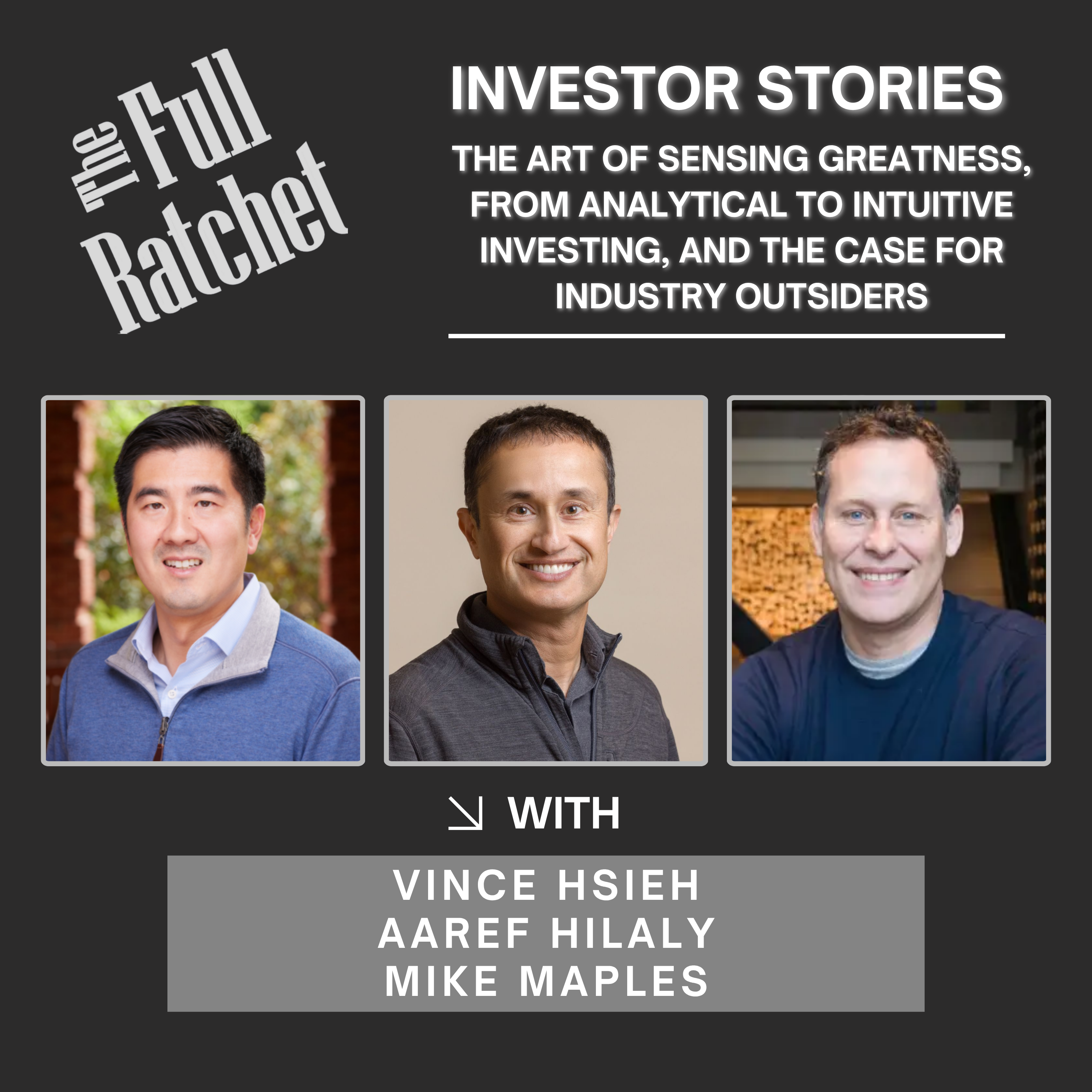
While technical founders excel at finding an initial AI product wedge, domain-expert founders may be better positioned for long-term success. Their deep industry knowledge provides an intuitive roadmap for the company's "second act": expanding the product, aligning ecosystem incentives, and building defensibility beyond the initial tool.
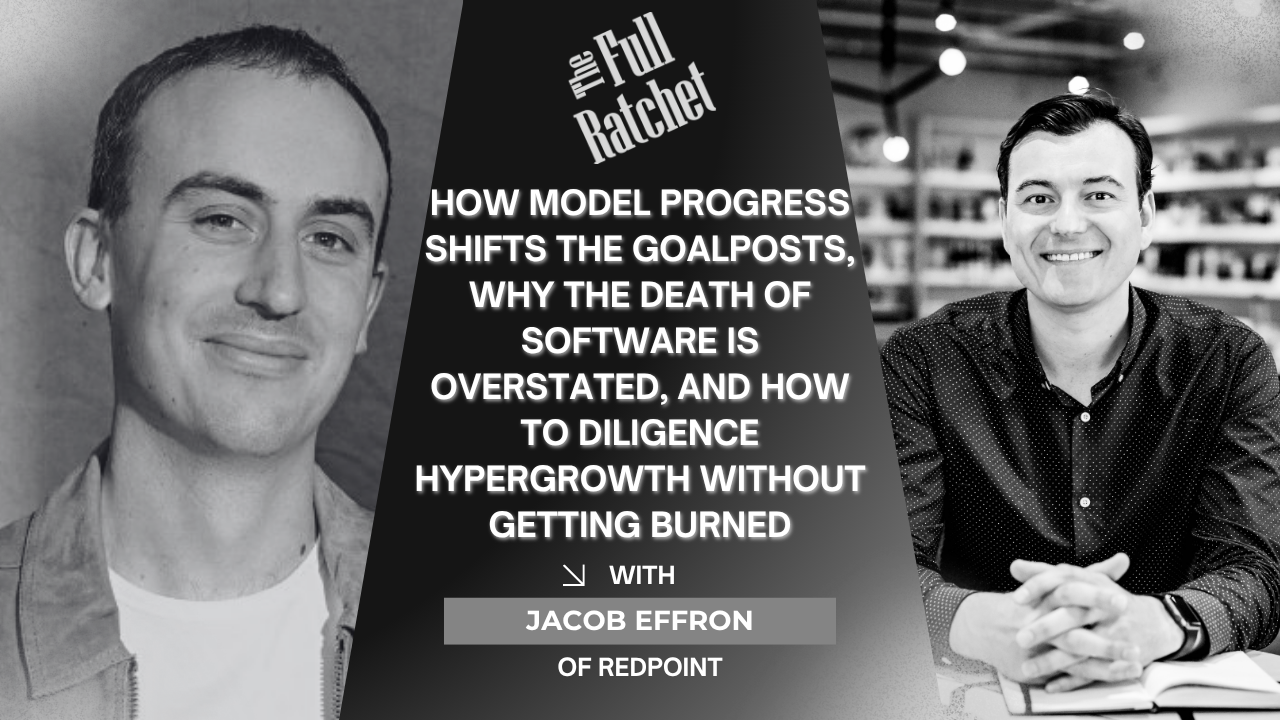
To identify non-consensus ideas, analyze the founder's motivation. A founder with a deep, personal reason for starting their company is more likely on a unique path. Conversely, founders who "whiteboarded" their way to an idea are often chasing mimetic, competitive trends.
The founder, who left a $1.3M+ Google role, argues that major AI innovations (ChatGPT, Claude Code, OpenClaw) come from nimble teams. Large corporations' approval processes and guardrails stifle the rapid, experimental iteration necessary for true breakthroughs, making them poor environments for building the future of AI.

Musk's ventures like Tesla and SpaceX were not chosen for financial viability, as car and rocket companies are historically poor investments. He selects important, unsolved problems for humanity, creating opportunities in overlooked markets.

The most successful founders rarely get the solution right on their first attempt. Their strength lies in persistence combined with adaptability. They treat their initial ideas as hypotheses, take in new data, and are willing to change their approach repeatedly to find what works.

Hired managers optimize existing models, but founders are willing to reinvent the business entirely. During disruptive eras, like the current AI shift, founders are more likely to make the bold, necessary pivots to survive and thrive, while professional CEOs will be too conservative.
