Get your free personalized podcast brief
We scan new podcasts and send you the top 5 insights daily.
The founders leveraged their connection to Berkeley's business school as an institutional resource. This provided a no-cost environment for research, development, and testing, allowing them to vet and refine the business concept before launching.

Related Insights
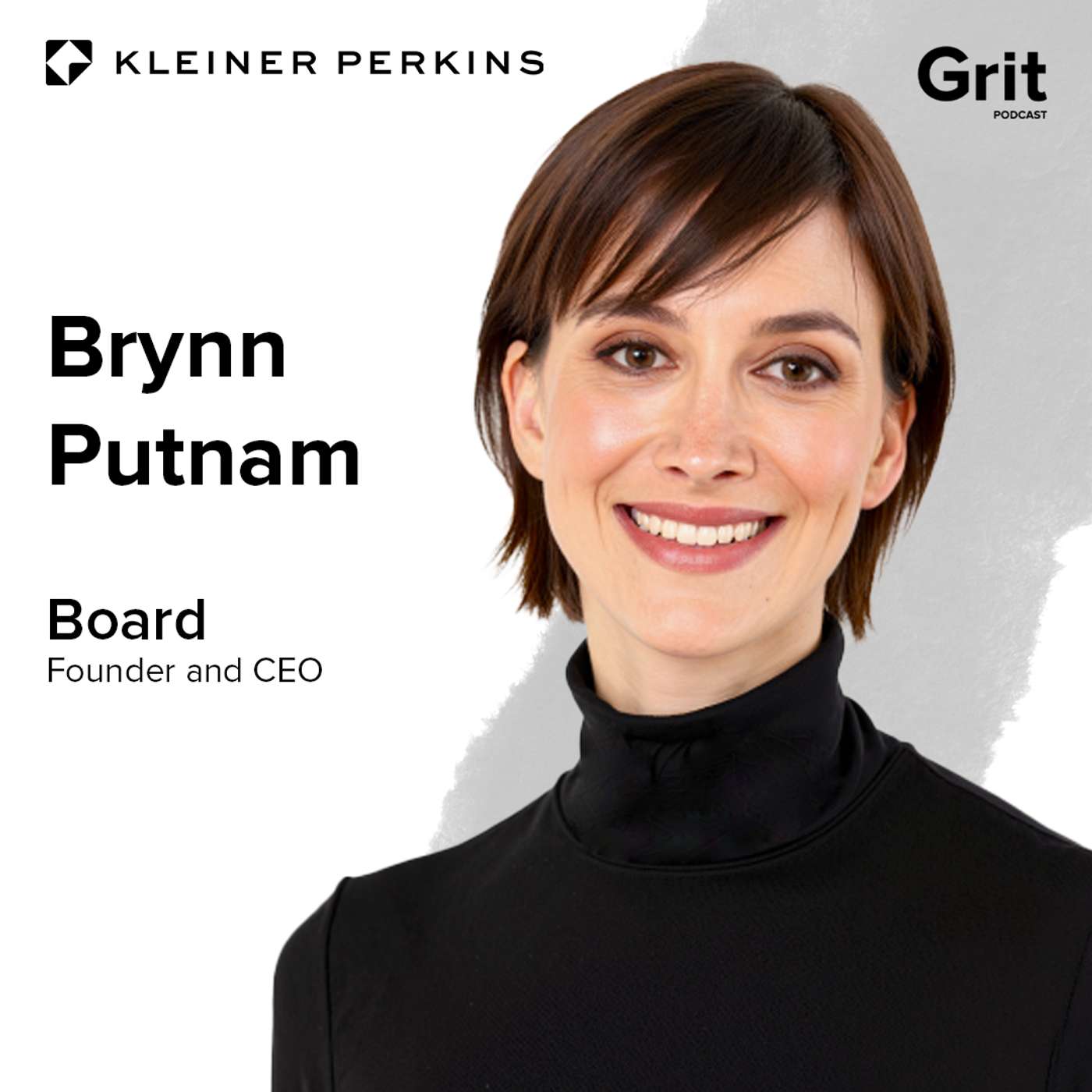
Before raising venture capital for Mirror, founder Bryn Putnam bootstrapped the initial year of R&D using profits from her four successful fitness studios. This provided non-dilutive capital and a safety net, allowing her to explore the high-risk hardware concept without immediate investor pressure.
Before seeking major funding, Elysian validated its radical aircraft design with skeptical professors from TU Delft and MIT. Winning over these experts provided the critical credibility and third-party proof needed to build investor confidence in their unproven deep-tech concept.

Indiegogo's co-founder explains that the concept of "runway" doesn't apply to a bootstrapped startup living on savings. Instead of a dwindling cash reserve, the limit is the founders' personal willingness to continue investing their own time and money.
Indiegogo's founders intentionally declined early investment offers, planning to use initial traction to secure a better valuation. This high-risk strategy backfired when the 2008 financial crisis hit, demonstrating how market timing can upend even a sound fundraising plan.
Co-founder Danae Ringelman’s idea for Indiegogo stemmed from her emotional response to seeing an older artist desperately seek funding from her, a junior analyst. This personal experience with the unfairness of capital access became the company's core mission.
YC's program for students isn't just about flexibility; it's a strategy to track promising founders for years. By encouraging repeat applications, YC gathers longitudinal data on a founder's evolution, thinking, and progress, de-risking the eventual investment by observing their entire pre-founding journey.

Avoid the classic bootstrap vs. raise dilemma by using customer financing. Pre-sell your product or service to a group of early customers. This strategy not only provides the necessary starting capital without giving up equity but also serves as the ultimate form of market validation.

Spend significant time debating and mapping out a project's feasibility with a trusted group before starting to build. This internal stress-test is crucial for de-risking massive undertakings by ensuring there's a clear, plausible path to the end goal.

Unbound Merino used its Indiegogo campaign as a definitive test for market demand, not just a funding tool. This framed the effort as a win-win: either a successful business would be born, or the founder would get a box of the custom t-shirts he personally wanted.