Get your free personalized podcast brief
We scan new podcasts and send you the top 5 insights daily.
American consumers are often intimidated by individual, unfamiliar spices. Burlap and Barrel successfully introduces unique, high-quality ingredients by packaging them into accessible blends like everything bagel seasoning, bridging the gap between novelty and consumer comfort.

Related Insights
When introducing a novel product like cherry vinegar, consumers need prescriptive guidance. Clearly outlining simple, daily use cases—such as a morning ritual or a lunch upgrade—reduces friction and accelerates adoption.

Despite its strong ethical sourcing model, Burlap and Barrel's marketing focuses on flavor and quality. The founder argues consumers are not primarily motivated by ethical supply chains; their purchasing decision is driven by the simple desire for a product that tastes good.
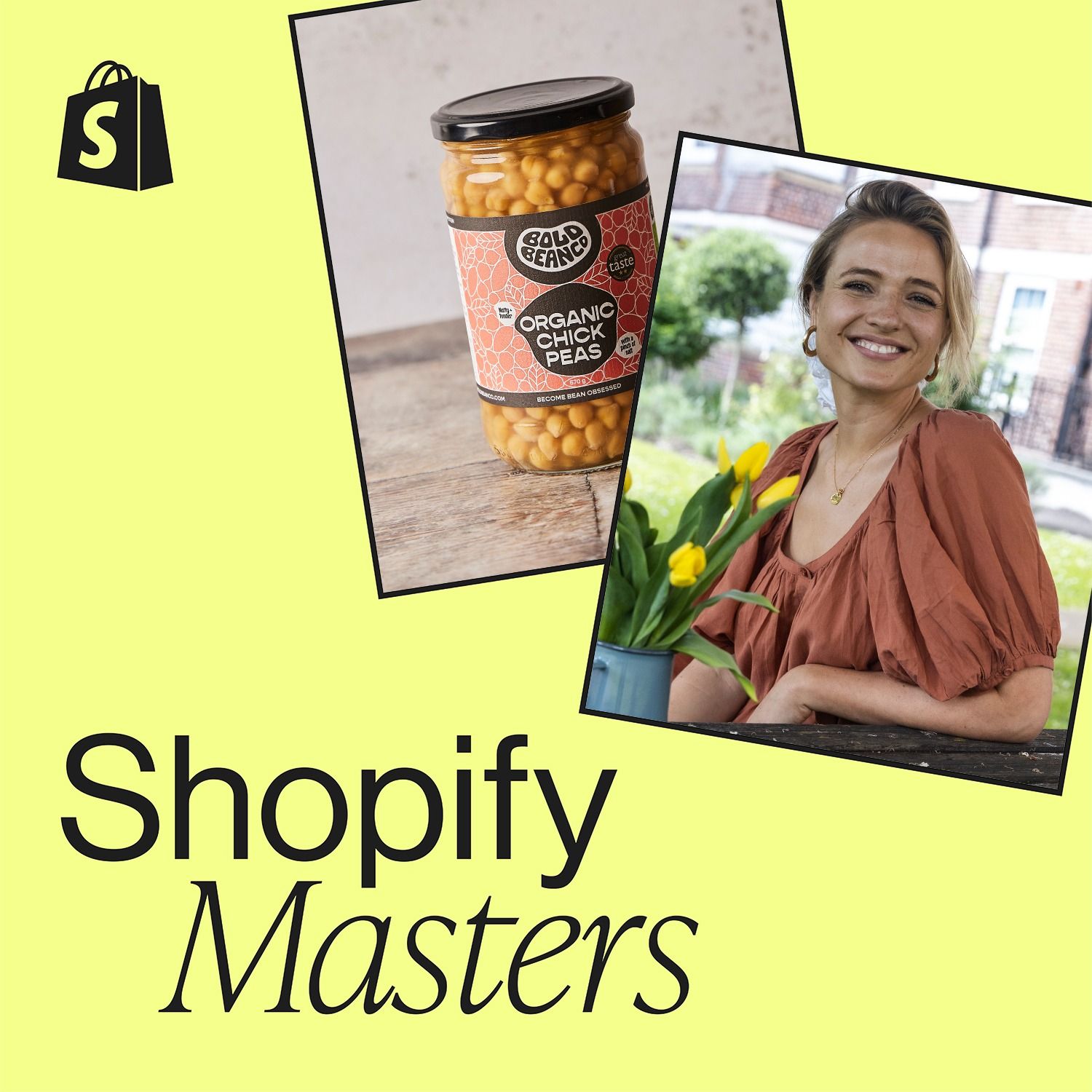
Influential chefs are reluctant to promote finished CPG products (like sauces) that compete with their expertise. However, they will champion a premium ingredient brand like Bold Bean Co. because it enhances their own recipes without compromising their culinary authority, making them natural advocates.
MadeGood intentionally avoided branding itself solely as an 'allergen-free' product. They focused on great taste first, making the allergen-free aspect a secondary benefit. This prevented non-allergic consumers from self-selecting out and significantly broadened their market appeal.
Consumers are trained by food packaging to look for simple, bold 'macros' (e.g., '7g Protein,' 'Gluten-Free'). Applying this concept to non-food items by clearly stating key attributes ('Chemical-Free,' 'Plant-Based') on the packaging can rapidly educate consumers at the point of purchase and differentiate the product.
New food trends, like specialty tomato varieties, are driven top-down from restaurants to consumers. Chefs adopt unique, high-flavor ingredients first. This exposure on menus creates consumer curiosity and demand, which eventually pulls these novel products into mainstream retail channels.

Beyond traditional sourcing, Burlap and Barrel discovers unique suppliers by joining hundreds of specific farmer groups on Facebook for different countries and products. This social media approach allows direct connection with small-scale producers who aren't on typical export or commodity platforms.
The viral success of ube, a Filipino yam, in the U.S. demonstrates 'cultural arbitrage': identifying a product common in one culture and introducing it as a novel, premium item in another. This model, seen before with matcha, boba, and sriracha, provides a framework for entrepreneurs to spot and capitalize on new consumer trends.

Instead of demanding customers learn traditional Sichuan cooking, Fly By Jing drove adoption by showing its product's versatility on familiar, Western foods. This "meet them where they are" approach lowered the barrier to entry and sparked consumers' imaginations, making a niche flavor profile widely accessible.

Olipop successfully used the familiar format of soda to introduce prebiotics. This strategy bypasses the difficult task of educating consumers on a new ingredient from scratch, letting the popular product form do the initial work of attracting customers.