Get your free personalized podcast brief
We scan new podcasts and send you the top 5 insights daily.
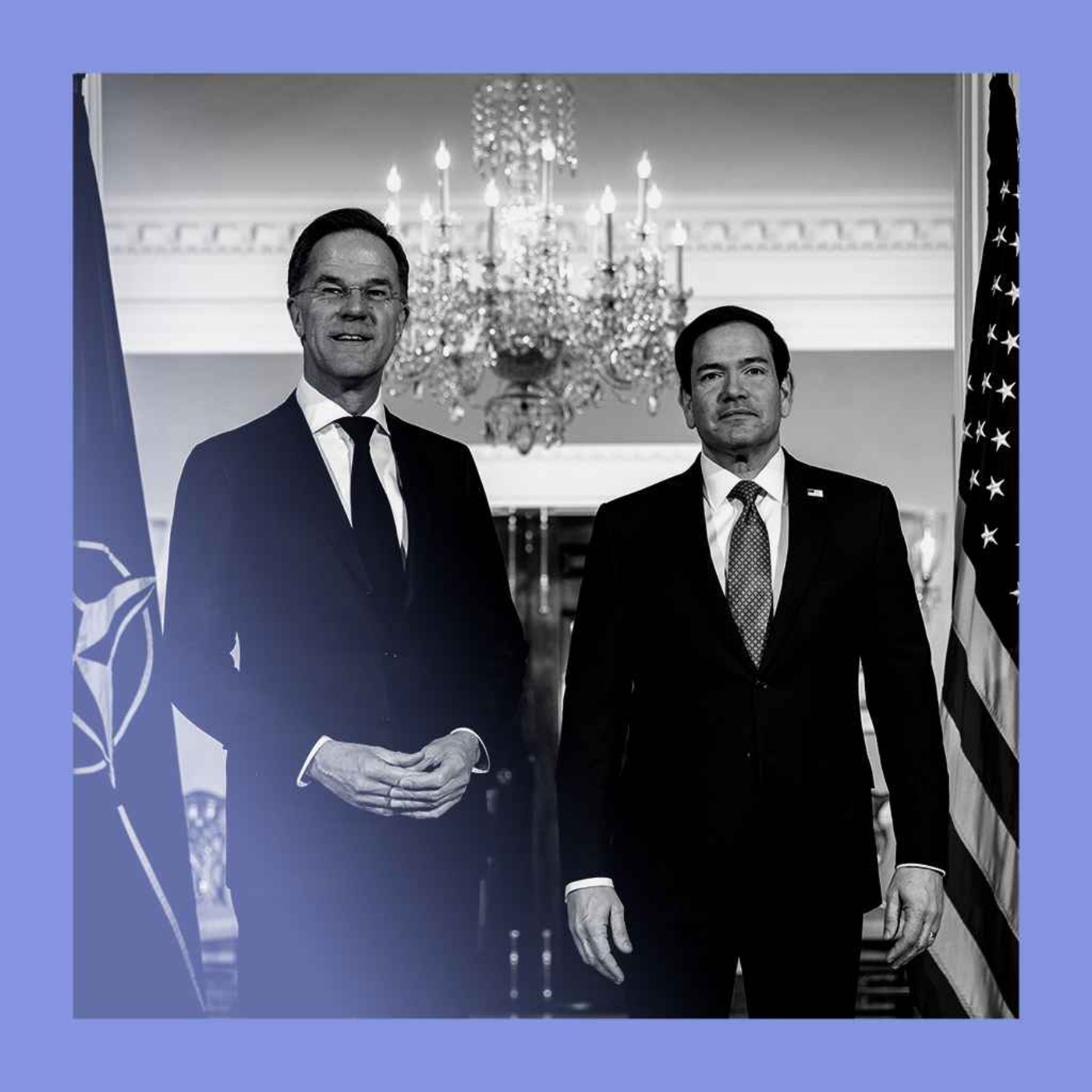
The justification for a potential US military pullback from Europe is not just about allies free-riding on defense spending. It's also driven by a deeper administration resentment, believing Europe is destroying its civilization through "mass migration and wokery" and was disloyal during the US war in Iran.

Related Insights
European military officials are secretly developing contingency plans for a US-less NATO but are deliberately quashing public discussion. They fear that any open talk of European self-reliance would provide political justification for a US president to accelerate a withdrawal from the alliance.

NATO's structure relies on allies following an American general's command under Article 5. After witnessing the "horrible, catastrophic failure" of US strategy in Iran, European nations will no longer entrust their militaries to US leadership, making the alliance functionally obsolete.

The transatlantic alliance is under severe strain, with European leaders' anger towards the U.S. reaching an unprecedented peak. They are frustrated by shouldering 100% of the financial burden for Ukraine's defense, only to be economically damaged by a U.S.-initiated Iran war they were not consulted on.

The current strain in the transatlantic relationship has evolved beyond policy disputes, like the 2003 Iraq War, into a political crisis. Actions regarding Ukraine and Greenland are perceived as a "U.S. betrayal," shattering the foundational trust that once held the alliance together and making recovery far more difficult.

A new US national security document signals a radical foreign policy shift. It explicitly states the US will support "right wing, far right and populist right parties" in Europe that align with its anti-immigration stance, effectively interfering in the domestic politics of allied nations to promote a "MAGA like" Europe.
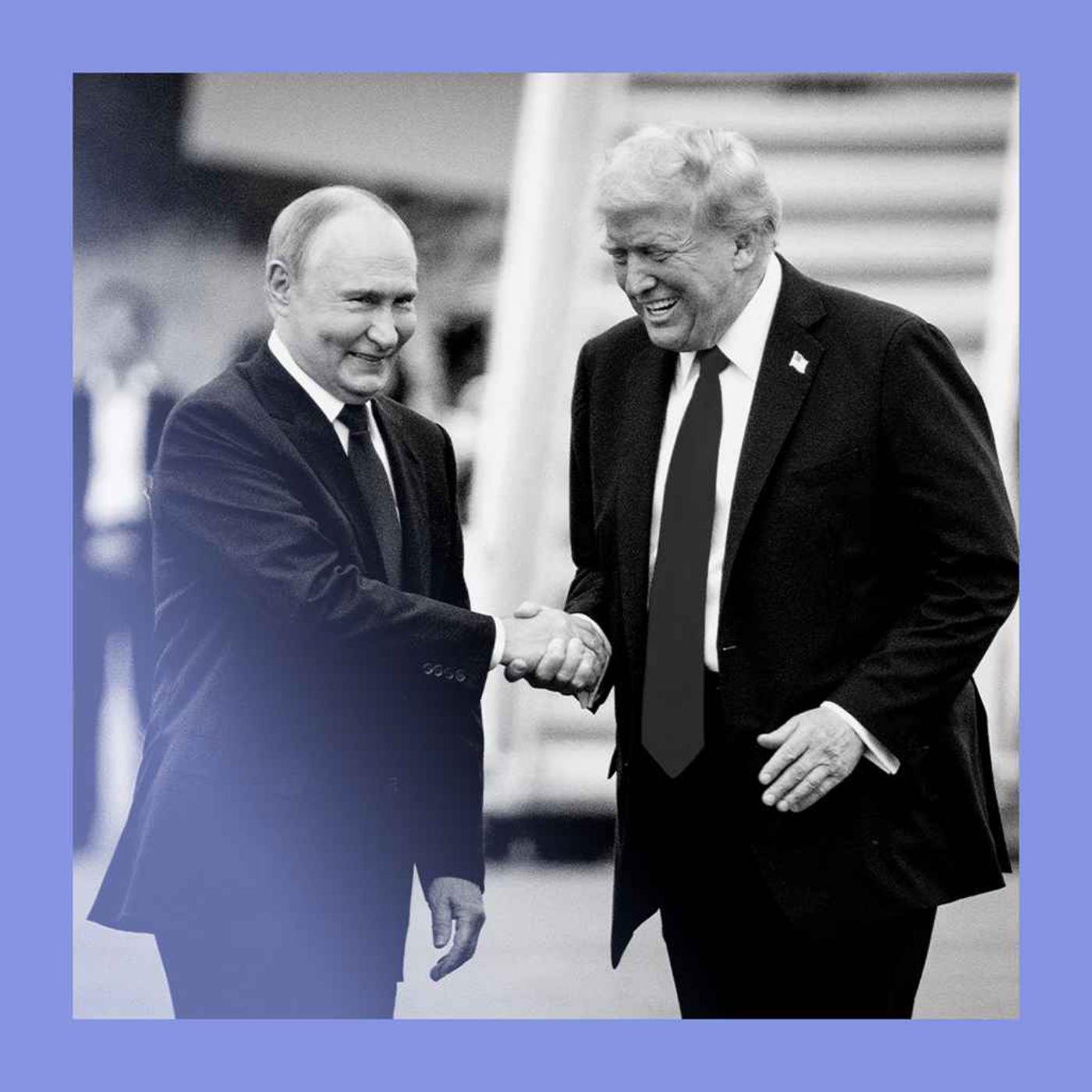
Alexander Stubb posits that recent US foreign policy is uniquely driven by a specific "MAGA" ideology that is fundamentally anti-international order and condescending towards liberal Europe. Understanding this ideological root, beyond just transactional policy, is crucial for allies navigating the relationship with Washington.
Europe faces a dual threat: an aggressive Russia waging hybrid warfare on its eastern flank, and a Trump-led America that actively prefers a fragmented, weaker Europe. A disunified EU allows the U.S. to cut more favorable bilateral deals, leaving Europe vulnerable from both sides without its traditional transatlantic security guarantee.

The backbone of NATO is not just US military might, but European trust in it. A dispute initiated by the US against allies is more existentially dangerous than past internal conflicts or external threats because it directly undermines the core assumption of mutual defense.

The administration's aggressive, unilateral actions are pushing European nations toward strategic autonomy rather than cooperation. This alienates key partners and fundamentally undermines the 'Allied Scale' strategy of building a collective economic bloc to counter adversaries like China.

Marco Rubio, once a staunch defender of NATO who sponsored a law to prevent presidential withdrawal, has reversed his position as Secretary of State. His new anti-NATO rhetoric, echoing Donald Trump, indicates that a key internal check on the president's anti-alliance sentiment has been removed.