Get your free personalized podcast brief
We scan new podcasts and send you the top 5 insights daily.
While forgiveness is a virtue, media creators must strategically decide who to platform. Giving airtime to individuals with a history of harmful rhetoric can amplify their message, regardless of the interviewer's intent to challenge them.

Related Insights
The host argues that the goal of interviewing powerful figures is to get them to answer tough questions, not to create a viral "gotcha" moment. By maintaining a conversational and respectful tone, even while asking pointed questions, journalists can disarm defensive subjects and get more revealing answers.

Ro Khanna argues that the true measure of a commitment to free speech isn't defending allies, but defending the speech of opponents. He builds credibility by citing his record of defending views he disagrees with, asserting this consistency is lacking on both political sides.
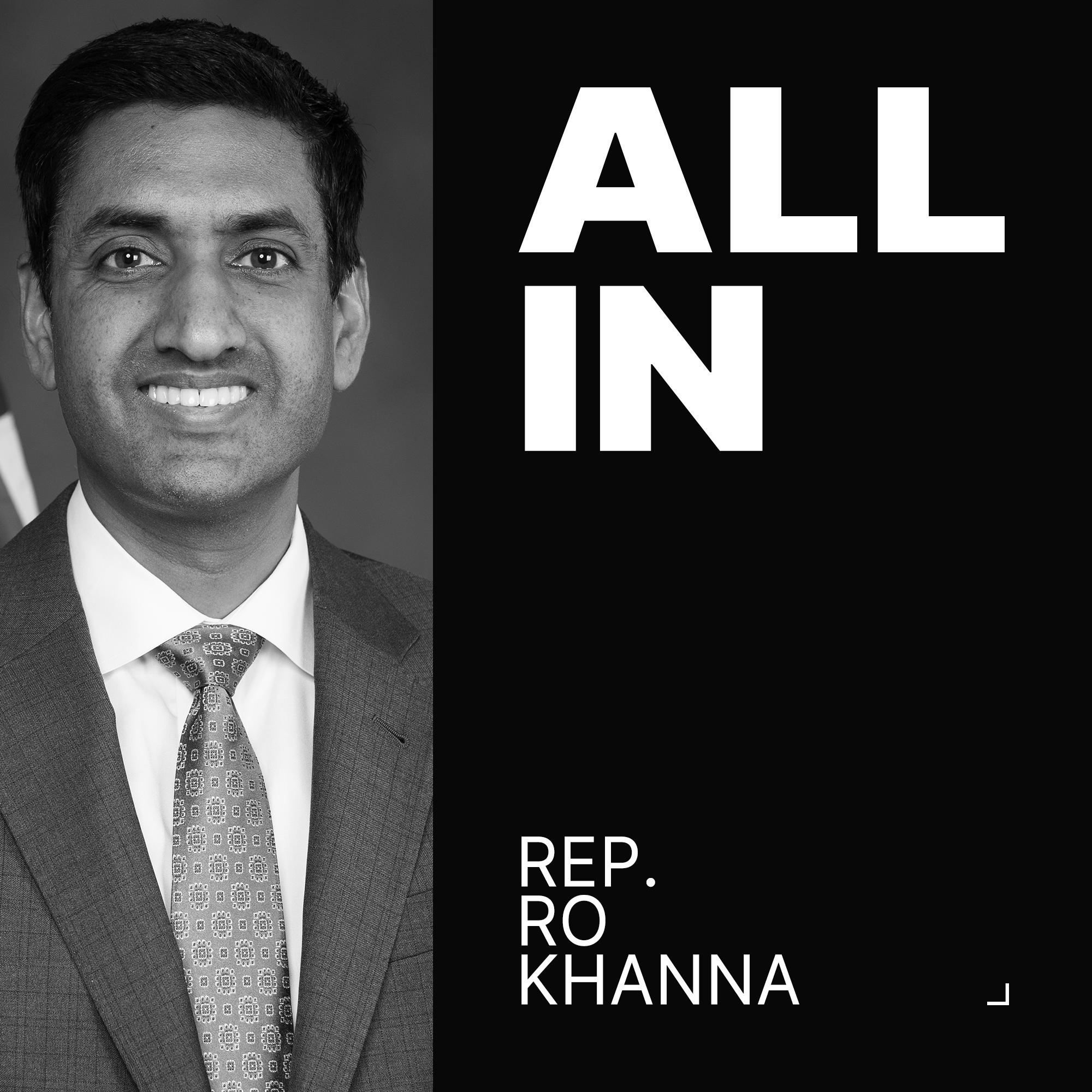
The media landscape has shifted from a few press channels to infinite creator channels. The old strategy was message control ("what can I not say?"). The new strategy is authenticity and volume; a gaffe is fixed by creating more content, not by apologizing.

Instead of aggressive pushback, powerful executives respond to criticism with invitations for meetings and speaking engagements. This charm offensive is a deliberate strategy to co-opt critics, making them less likely to speak their minds freely. Maintaining objectivity requires actively avoiding these relationships.

Attempts to shut down controversial voices often fail. Instead of disappearing, suppressed ideas can fester and become more extreme, attracting an audience drawn to their defiance and ultimately strengthening their movement.
Public figures who apologize for transgressions are often perceived as 'wounded prey,' triggering more attacks rather than redemption. This dynamic makes admitting fault a confession of weakness, incentivizing politicians to instead ignore or deny wrongdoing to maintain power, as seen with Al Franken's resignation.
A healthy society must expand its capacity for forgiving individual missteps and controversial statements. However, this must be paired with a formal reckoning, where powerful figures who abuse their positions face legal and financial consequences.
While some creators debate the brand risk of hosting politicians, Ananiya Williams highlights a graver concern: physical safety. Confronting a figure like Donald Trump would make her, a Black trans woman, a direct target for violent extremists, a risk not equally shared by other creators.

Public figures are most vulnerable when they make short, context-free statements (e.g., on Twitter). The best defense is to articulate complex or controversial ideas in long-form formats like podcasts or essays. This surrounds the idea with its full context, making it much harder for critics to misinterpret or weaponize.

A host or interviewer can never blame a difficult guest for a bad interview. They must take full responsibility for the outcome, even if it means they "picked the wrong elephant." The burden of creating an engaging conversation always falls on the host.
