Get your free personalized podcast brief
We scan new podcasts and send you the top 5 insights daily.
The host argues that the goal of interviewing powerful figures is to get them to answer tough questions, not to create a viral "gotcha" moment. By maintaining a conversational and respectful tone, even while asking pointed questions, journalists can disarm defensive subjects and get more revealing answers.

Related Insights
Direct questions in sales or leadership can feel confrontational. Prefacing them with 'I'm curious...' completely changes the dynamic from an interrogation to a collaborative effort to understand. This simple linguistic shift builds trust, encourages openness, and turns transactions into lasting relationships.

To prevent guests from adopting a rehearsed, "idealized" persona, the podcast host starts recording as soon as they sit down. By eliminating formal cues like "Are you ready?", the conversation feels natural and unplanned, leading to more honest and unguarded responses that reflect the guest's true personality.

The best interviews aren't about one person dominating. They're like a long tennis rally where both participants hit the ball hard but aim to keep the conversation going, creating a more engaging and insightful exchange for the audience.

When an executive says something you think is wrong, don't confront them. Instead, disarm them with a curious question like, "That's so interesting. What led you to believe that?" This shows respect, uncovers hidden context (like board pressure), and shifts the dynamic from a disagreement to co-creation.

Instead of asking leading questions that corner an interviewee, use open-ended prompts starting with 'how,' 'what,' or 'why.' This encourages expansive answers and genuine information gathering, whereas closed questions allow for simple, uninformative deflections, achieving no learning.

Citing Oprah Winfrey, Rubenstein argues the key to great interviewing is not having the best questions but being a great listener. True listening allows the interviewer to pivot and follow up on unexpected answers, turning a rigid Q&A into a genuine conversation that uncovers far deeper insights than a prepared script ever could.

To broach a sensitive topic, Andrew Ross Sorkin reads a critical quote from another source. This technique shifts the focus from a personal attack ("I think you...") to a public concern ("Others are saying..."). It forces the interviewee to grapple with an issue they have likely already considered, leading to a more thoughtful response.
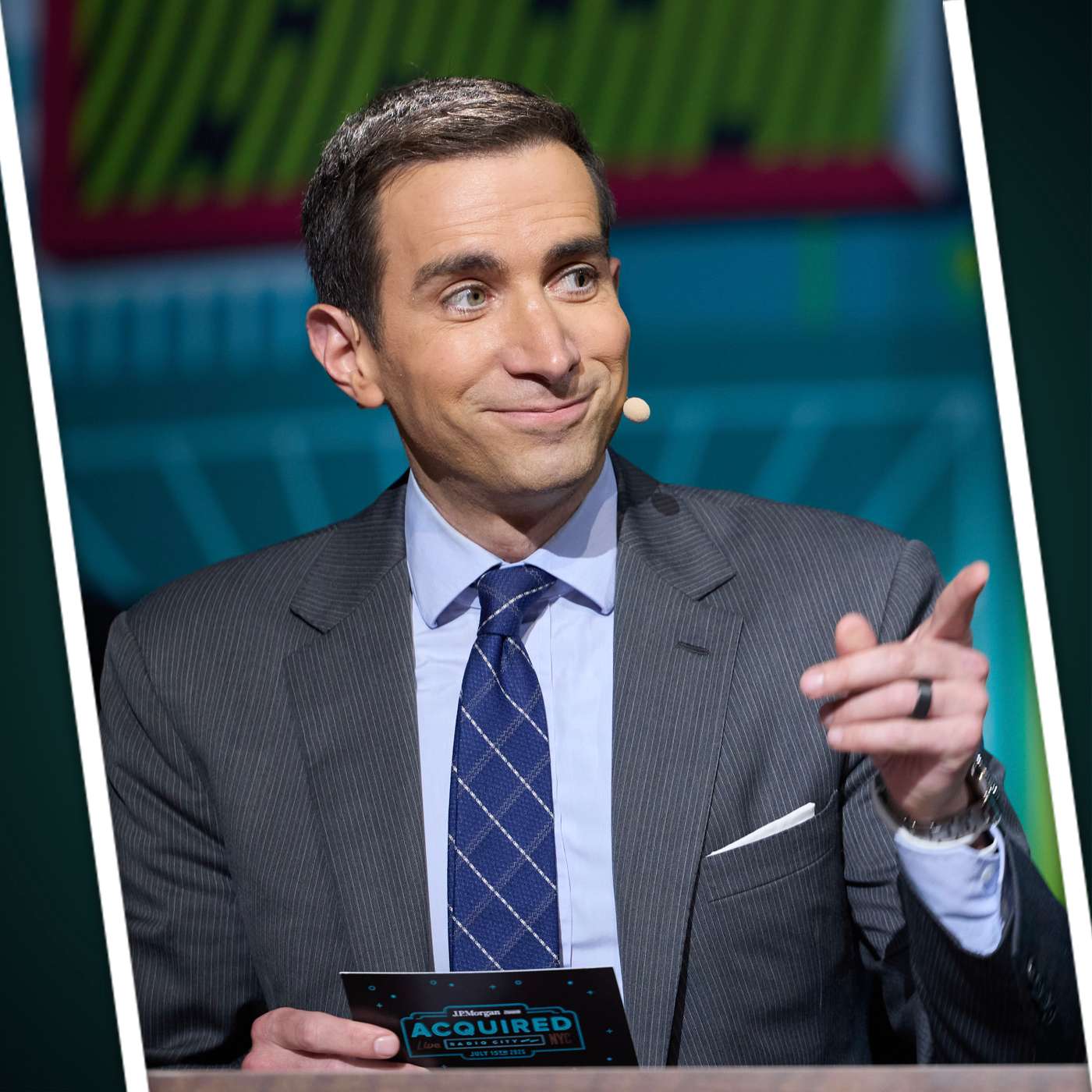
Instead of personally challenging a guest, read a critical quote about them from another source. This reframes you as a neutral moderator giving them a chance to respond, rather than an attacker. The guest has likely already prepared an answer for known criticisms.
Andrew Ross Sorkin believes the most crucial moment of an interview is the brief, informal interaction just before it officially begins. This is the window to calm a guest's nerves, build rapport, and set a tone that encourages candor, which is more important than the first question asked.
Podcast host Ben Smith observes that high-profile interviews are valuable even when subjects give non-answers. The on-stage format reveals the "emotional truth" of a person's situation through their demeanor and non-verbal cues, as seen with The Washington Post's editor, who "emoted" rather than answered.
