Get your free personalized podcast brief
We scan new podcasts and send you the top 5 insights daily.
Lauren Castle resisted putting her cancer history on packaging because it felt unappetizing. But after seeing how vulnerability humanized the brand, she added a photo, signature, and short story that helped shoppers understand why she chose each ingredient. It made the product feel personal rather than pity-driven.

Related Insights
Auntie Anne's PR strategy was centered on founder Anne Beiler's personal, faith-driven story of receiving a "miraculous" recipe. Her dream was to appear on a specific Christian talk show to share this testimony. By making her personal journey the core of the brand narrative, the company created a compelling identity that fueled its franchise growth.

Professionals often hide past struggles. However, sharing these stories builds immense trust. For example, a criminal defense lawyer who once faced legal trouble themselves can connect with clients on a human level, making them feel understood and not judged, which directly leads to new business.

Contrary to the belief that businesses must appear flawless, sharing behind-the-scenes struggles and unpolished content can build stronger community and loyalty. This raw authenticity resonates more with audiences than a curated image, humanizing the brand and making customers feel like part of the journey.
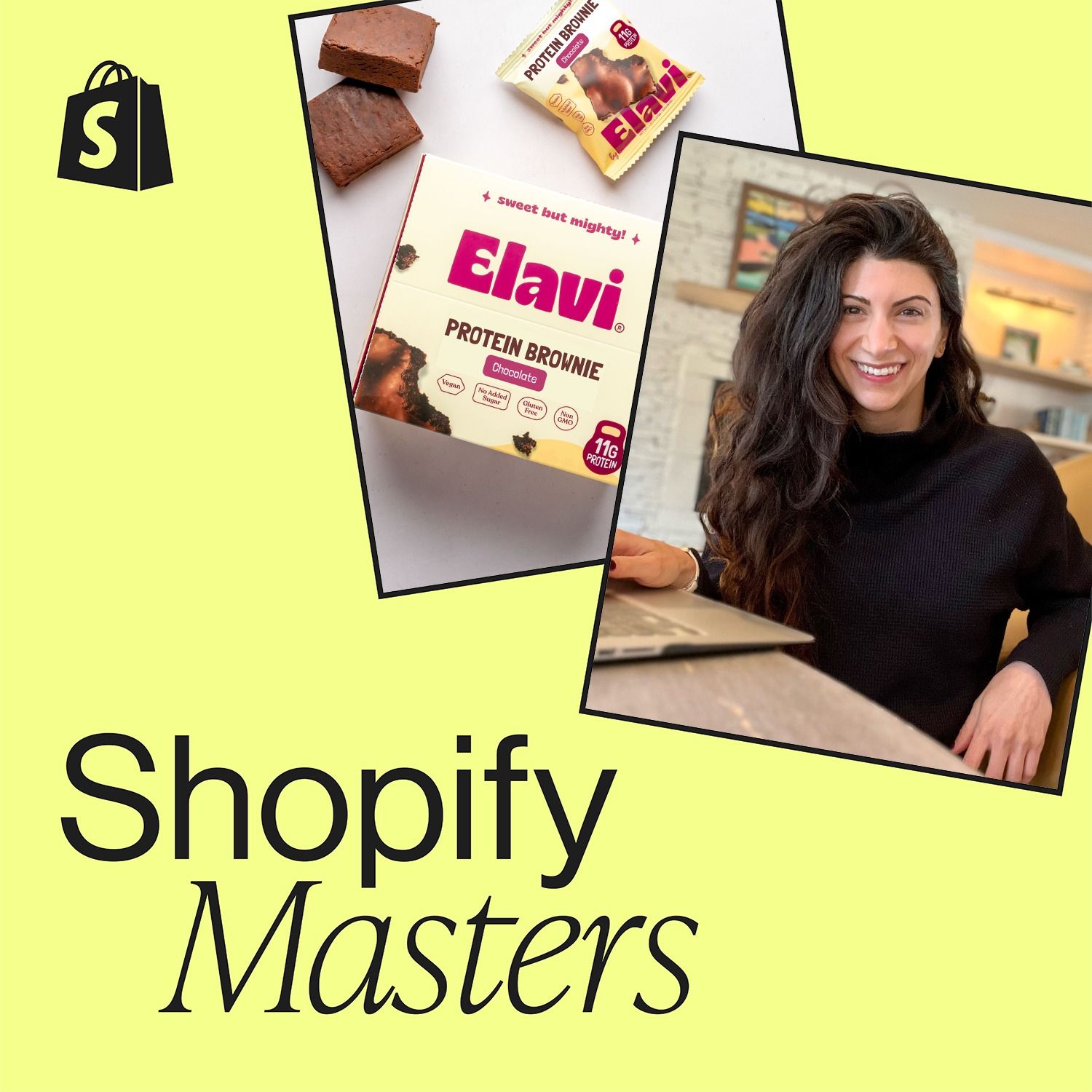
When marketing a product for a sensitive issue like incontinence, the founder's personal journey is the most authentic asset. Alida's founder, with her engineering background and direct experience, is urged to be the central influencer for her brand to overcome stigma and build customer trust.
Alix's design business emerged directly from a life crisis involving a broken engagement, job loss, and health struggles. This vulnerable origin story isn't just background; it's a central part of her brand that fosters deep audience connection and authenticity.

Don't shy away from your biggest challenges. Sharing your "mess" creates a strong emotional connection, builds trust, and positions you as a hero who can help others avoid the same pain. This is the foundation of a compelling personal brand.

The 'About Us' page is typically the second most-visited page. Instead of burying your origin story, feature it prominently. A compelling narrative about the founder's struggles and motivations, like a co-founder losing $100M, creates a powerful emotional connection that product features cannot.

Lexi Hensler attributes her brand's success to the deep trust built with her audience through years of vulnerability about her mental health. This connection is more powerful than viral content alone, as it gives customers a reason to believe in the mission behind the product.
To overcome the social stigma around sweating, Numi's founder stopped talking about the customer's problem and started with her own. By saying "I had this problem," she disarmed potential customers, created an immediate sense of community, and made it safe for them to admit they had the same issue.
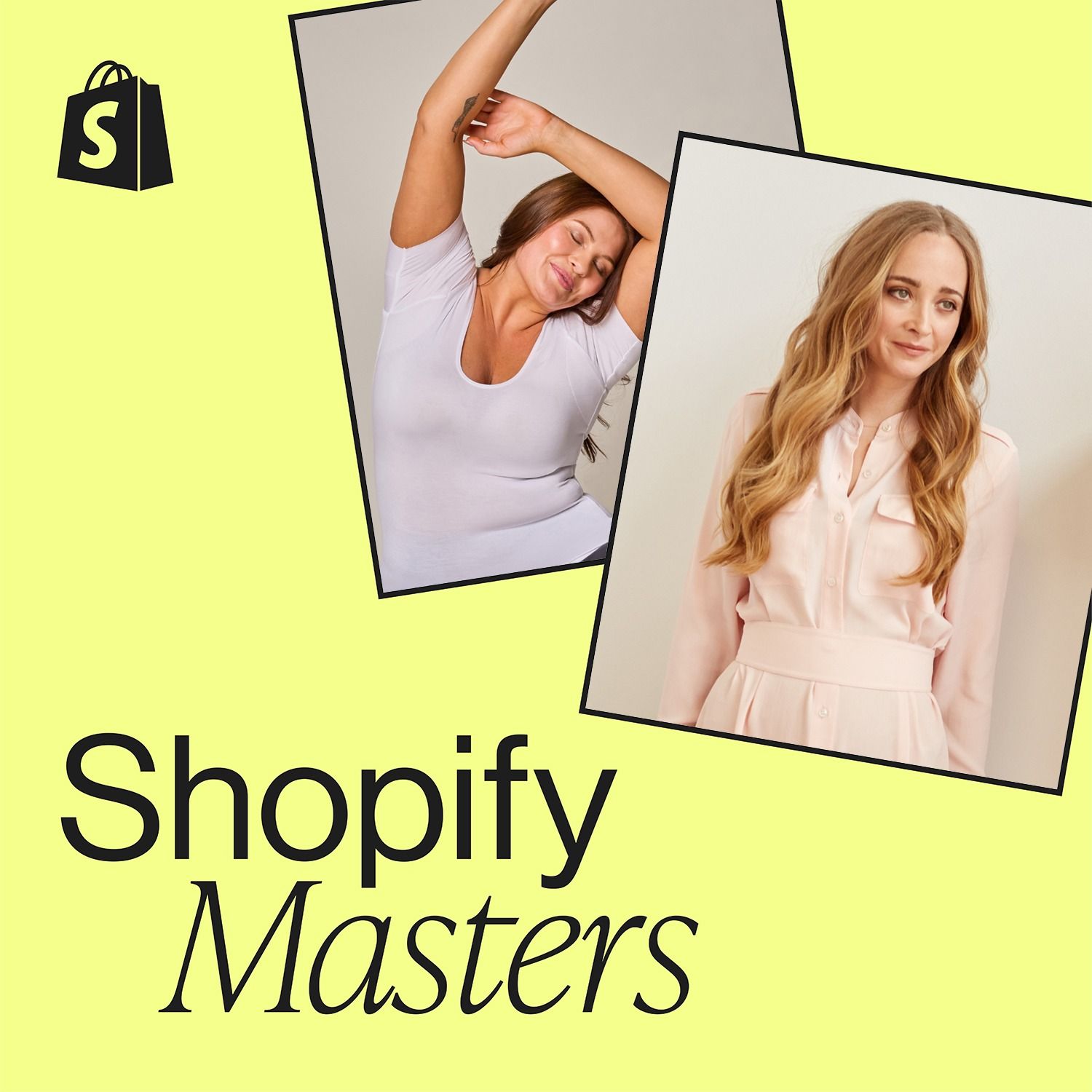
Yobi's founder, a pediatrician, is advised to prominently feature her story and credentials on packaging. This builds immediate trust, a key differentiator that is often more valuable than the product itself in a crowded market. The trust is the asset being sold, not just the skincare formula.