Get your free personalized podcast brief
We scan new podcasts and send you the top 5 insights daily.
Zyda chose a standard alkaline battery over a sleeker, rechargeable lithium-ion one. The decision was driven by the practical supply chain needs of a startup: alkaline batteries bypass complex air freight regulations, allowing for flexible and cost-effective inventory management, which is more critical than aesthetics.

Related Insights
Hardware development is often stalled by supplier lead times. To combat this, proactively map out multiple, redundant manufacturing options for every component. By maintaining a constantly updated "lookup table" of suppliers, processes, and their current lead times, teams can parallelize workflows and minimize downtime.

For a startup introducing a new AI-native experience without control over an OS like iOS or Android, hardware was the only viable path. Launching as an app would get lost in the noise; the physical device created its own distribution channel.

Design for Excellence goes beyond just manufacturing costs. Consider the entire product lifecycle, including serviceability. A design that's easy to assemble but difficult to service in the field (like using a blind screw on a replaceable part) increases the total cost of ownership and harms the customer experience.

The founders initially focused on building the autonomous aircraft. They soon realized the vehicle was only 15% of the problem's complexity. The real challenge was creating the entire logistics ecosystem around it, from inventory and fulfillment software to new procedures for rural hospitals.
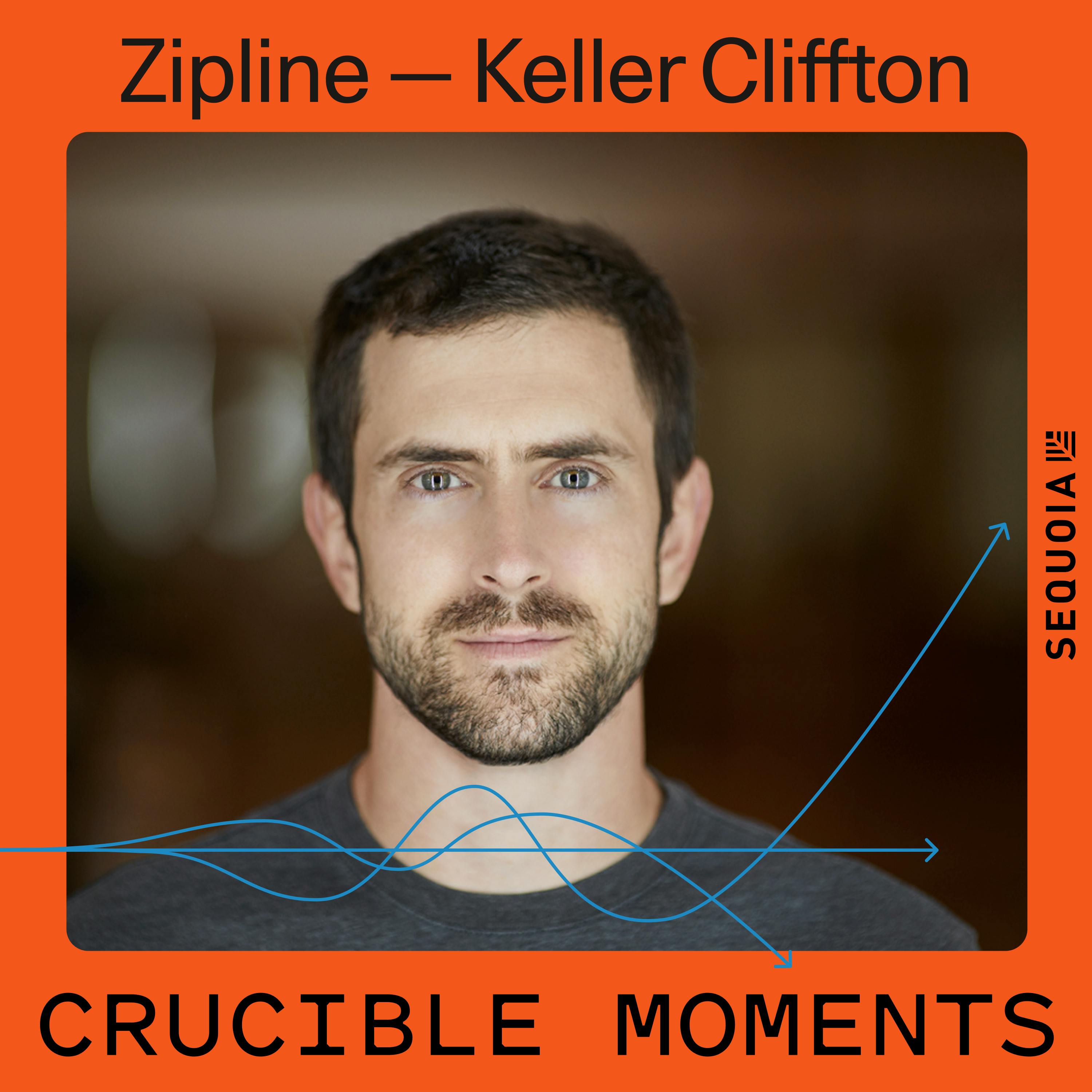
Against investor advice and industry trends favoring VTOL (vertical takeoff and landing) drones, Zipline opted for a fixed-wing airplane design. They realized their customers valued range above all else, and a simple airplane could fly 10-30x farther, solving the core problem more effectively.
The key driver for military adoption of micro-reactors isn't cost savings, but eliminating the vulnerability of fuel supply chains. Fuel logistics accounted for 50% of casualties in Afghanistan. This frames the product's value around mission assurance and risk reduction, a more compelling proposition than simple energy provision.

For hardware startups constrained by working capital, building deep trust with a manufacturer can be a form of financing. Belkin's founder convinced his manufacturer to produce and hold inventory on their own books, allowing Belkin to pull stock as needed without having to fund it all upfront.

In the early days, Dollar Shave Club's logistics were far from polished. They printed thousands of shipping labels, stuffed them in trash bags, and threw them over the fence to their fulfillment center. This illustrates the scrappy, unglamorous reality of getting a high-growth startup off the ground before scalable systems exist.
Before launching, assess a product's viability by the sheer number of potential distribution points. Manufacturing and logistics are solvable problems if the market access is vast. This reverses the typical product-first approach by prioritizing market penetration from day one.

Anduril prototypes drone frames by milling them from solid metal blocks. While extremely wasteful and expensive for mass production, this method bypasses the slow and costly process of creating molds for casting, drastically reducing latency during the critical iterative design phase and getting products to market faster.