Get your free personalized podcast brief
We scan new podcasts and send you the top 5 insights daily.
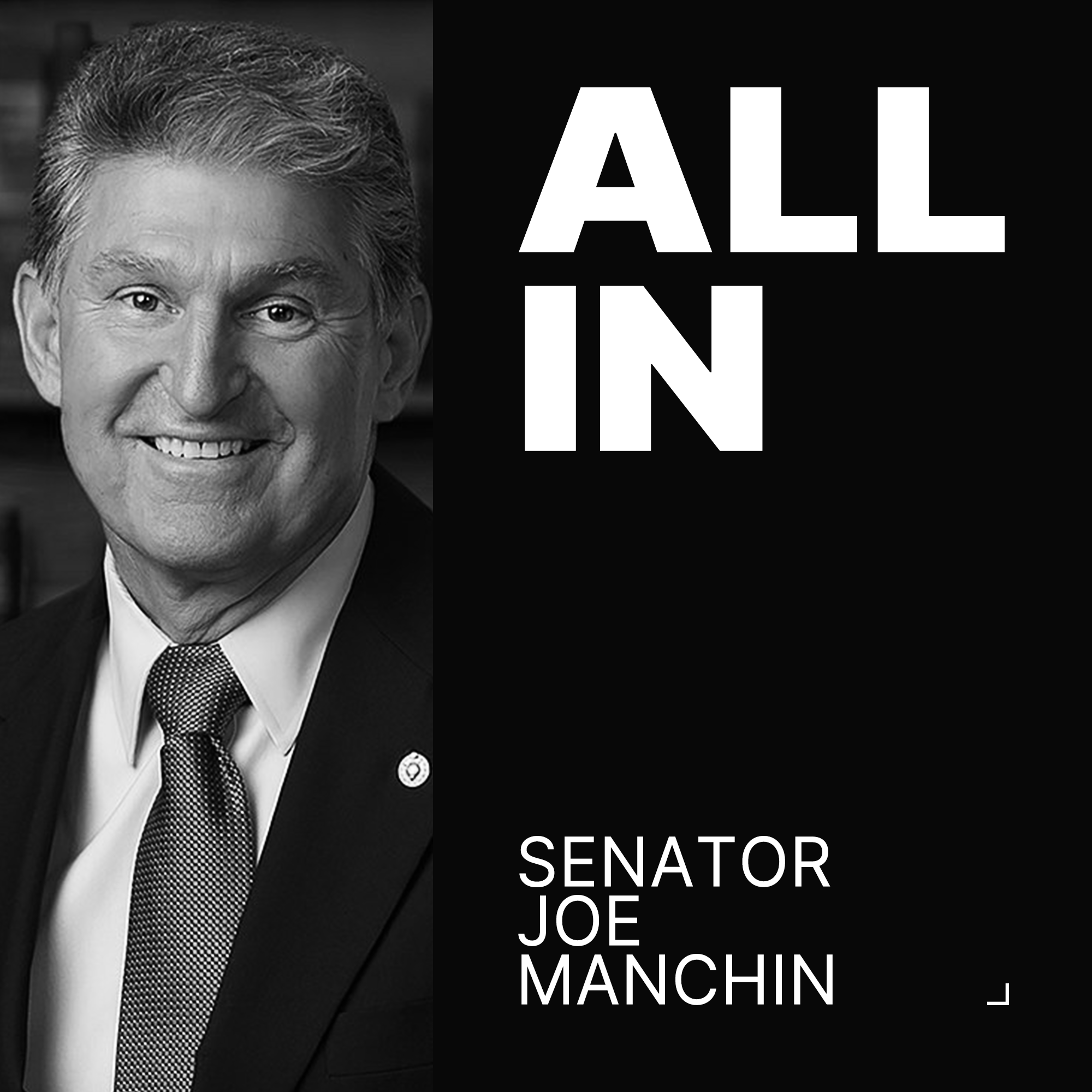
Manchin contrasts presidential styles, noting he spoke with Trump more in two years than with Obama in eight. He found Trump and Bill Clinton to be highly engaging and inquisitive, while characterizing Obama as elusive and less inclined to communicate directly with legislators.
Related Insights
During the Build Back Better debate, Manchin alleges he faced an organized pressure campaign, not just from voters. Protestors outside his residence were reportedly paid hourly, and he believes White House Chief of Staff Ron Klain orchestrated the effort to push him left.
Drawing on an analogy from George Washington, Manchin describes the Senate's purpose as cooling the 'hot tea' of partisan bills from the House. He views the 60-vote filibuster as the essential mechanism for forcing deliberation and bipartisan compromise, not just as an obstructionist tool.
Leaders don't just shape the times; they are shaped by them. Their temperament and actions are a reflection of the collective public mood. Comparing Obama's rise in an era of optimism to Trump's in a populist moment shows how the electorate projects its desires onto a candidate.

Trump's seemingly chaotic approach is best understood as a CEO's leadership style. He tells his staff what to do rather than asking for opinions, uses disruption as a negotiation tactic, and prioritizes long-term outcomes over short-term public opinion or procedural harmony.

Manchin pinpoints the decline of the Democratic party in his state to its aggressive anti-coal stance, which lacked a viable economic transition plan for workers. He compares the treatment of coal miners to that of forgotten Vietnam veterans who were asked to serve and then discarded.
Some leaders are powerful in a small room but appear wooden on camera. The ability to project charisma through a lens is a separate skill from in-person magnetism. This "television charisma" is becoming increasingly crucial for political viability, and the two are not interchangeable.
A former National Security Council staffer observed that President Trump's decisions often seemed counterintuitive in the moment but were later revealed as brilliant strategic "chess moves." This pattern built a high degree of trust among staff, enabling them to execute his vision without always understanding the immediate rationale.

Manchin claims President Biden's agenda was controlled by an extremely liberal staff assembled by Ron Klain. He asserts this prevented follow-through on moderate agreements made directly with the President, suggesting the staff—not the President—was driving the policy train.
Drawing parallels between wrestling and politics, Paul Levesque asserts that voters ultimately choose presidential candidates based on charisma and personal connection, not policy details. He cites figures like Donald Trump as examples of personalities whose ability to command an audience is their primary asset.
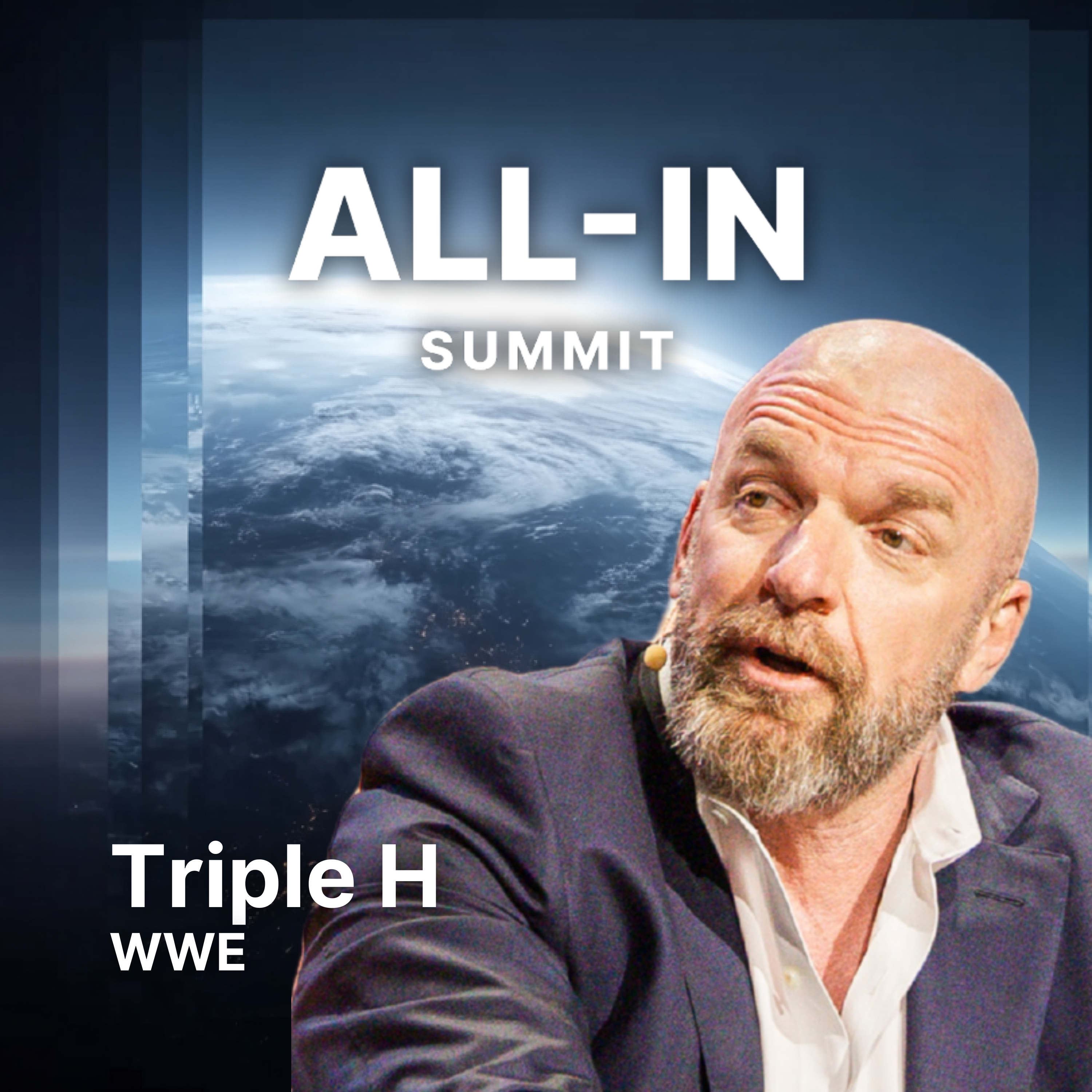
The success of figures like Trump and Mamdani shows a political shift where personality trumps policy. Voters are drawn to authentic, entertainer-like candidates who connect on a human level, making traditional, unrelatable politicians obsolete.
