Get your free personalized podcast brief
We scan new podcasts and send you the top 5 insights daily.
During the COVID downturn, with sales plummeting, a leader vulnerably told a collaborator he had to stop their joint project to focus on generating immediate revenue. Hearing the truth, the collaborator offered to become a paying customer for the exact amount needed to avoid layoffs.
![Lessons from sh*tty moments (and bosses) [Uncensored Renegades] thumbnail](https://img.transistorcdn.com/VIH3Rn5ET8-eHQxgBGNydnhXL95pc10_Kq7qTpjezuc/rs:fill:0:0:1/w:1400/h:1400/q:60/mb:500000/aHR0cHM6Ly9pbWct/dXBsb2FkLXByb2R1/Y3Rpb24udHJhbnNp/c3Rvci5mbS9zaG93/LzQ3MzEvMTU3MDAz/MjQ3NC1hcnR3b3Jr/LmpwZw.jpg)
Related Insights
Many salespeople avoid any hint of negativity. However, genuine collaboration requires being comfortable with conflict, pushback, and resistance. Proactively addressing these potential issues builds deep trust and shows you are a partner, not just a vendor trying to smooth-talk their way to a deal.

Facing a down year, Lindsay Carter put her ego aside and called trusted industry contacts for help. This simple act provided concrete, tactical advice—like using new AI tools and auditing marketing funnels—that gave the company an immediate boost and catalyzed its recovery. Asking for help was a critical strategic lever, not a sign of weakness.

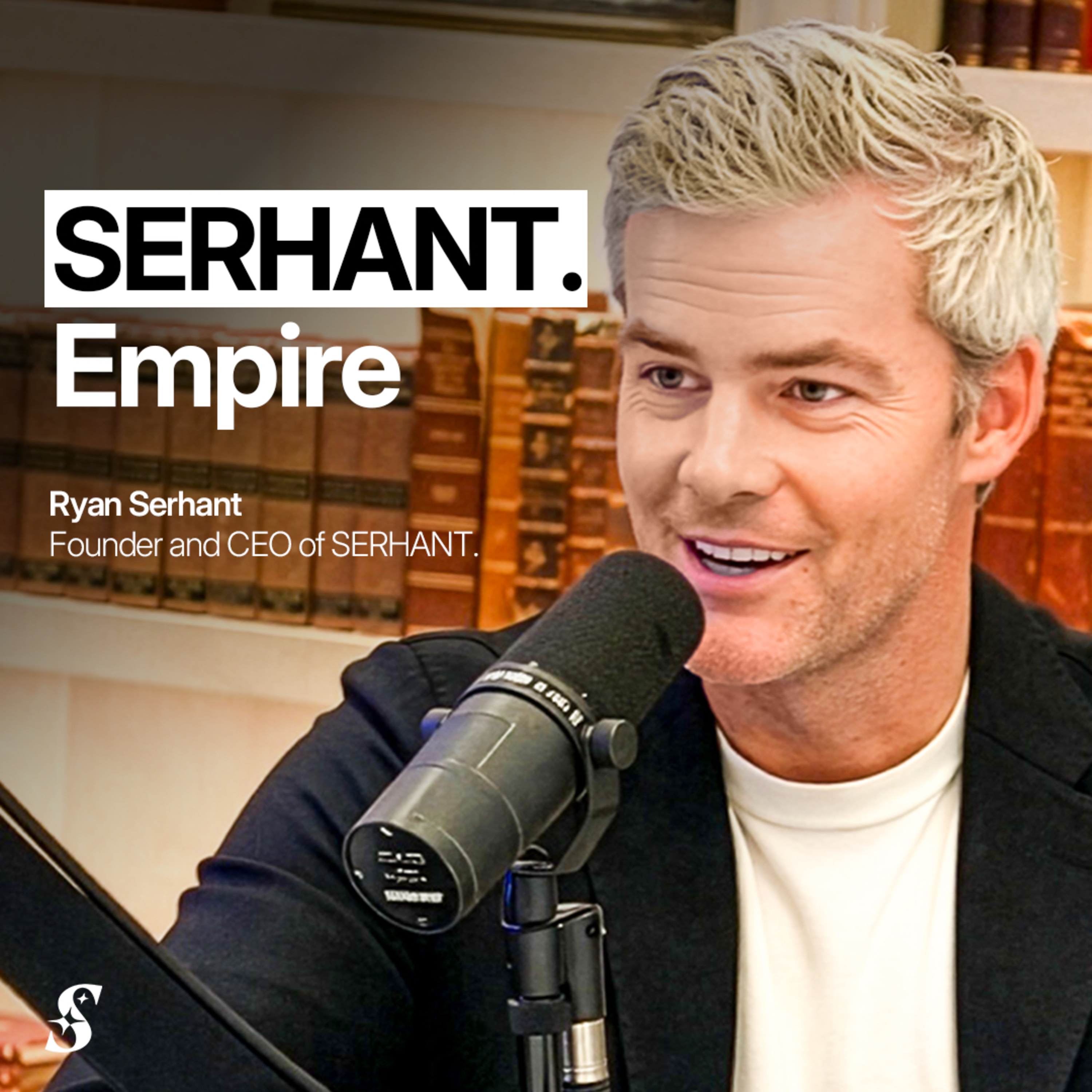
To convert an audience into a community, leaders must show vulnerability. People connect emotionally with struggles, not just a constant stream of success. Serhant's strategy is to frame his job as losing all day, with wins being a bonus. This creates a relatable culture that fosters loyalty.
To regain mindshare from neglected partners, focus on a "ground game." Start by showing up and listening, then deliver quick, tangible wins like unblocking a renewal or simplifying a painful process. Consistent follow-through rebuilds trust and mindshare faster than most leaders expect.

To repair a struggling partnership, first listen to raw, unfiltered feedback. Then, frame performance gaps not as failures but as shared revenue "opportunities." This shifts the conversation from "sell more for me" to "how can we grow your business together," positioning you as a strategic advisor.
When COVID-19 invalidated its revenue plan, Nextdoor's GM used a pre-existing worst-case scenario to pivot the product strategy. The focus shifted from subscriptions to features that provided immediate cash flow to local businesses (e.g., gift cards), enabling a quick, board-aligned response to the crisis.

Beyond not competing with partners, genuine trust is built by preventing "extreme favoritism to the bigger partner." Partners watch to see if you provide a level playing field for everyone, regardless of size. Trust is also solidified by how you act when things go wrong; a vendor that "shows up" during a crisis builds loyalty.
After working out 22 distressed joint ventures during the GFC, the key lesson was that partner quality dictates outcomes more than the deal itself. When things go wrong, good partners collaborate to find solutions, while bad partners create conflict, making even a good deal untenable.
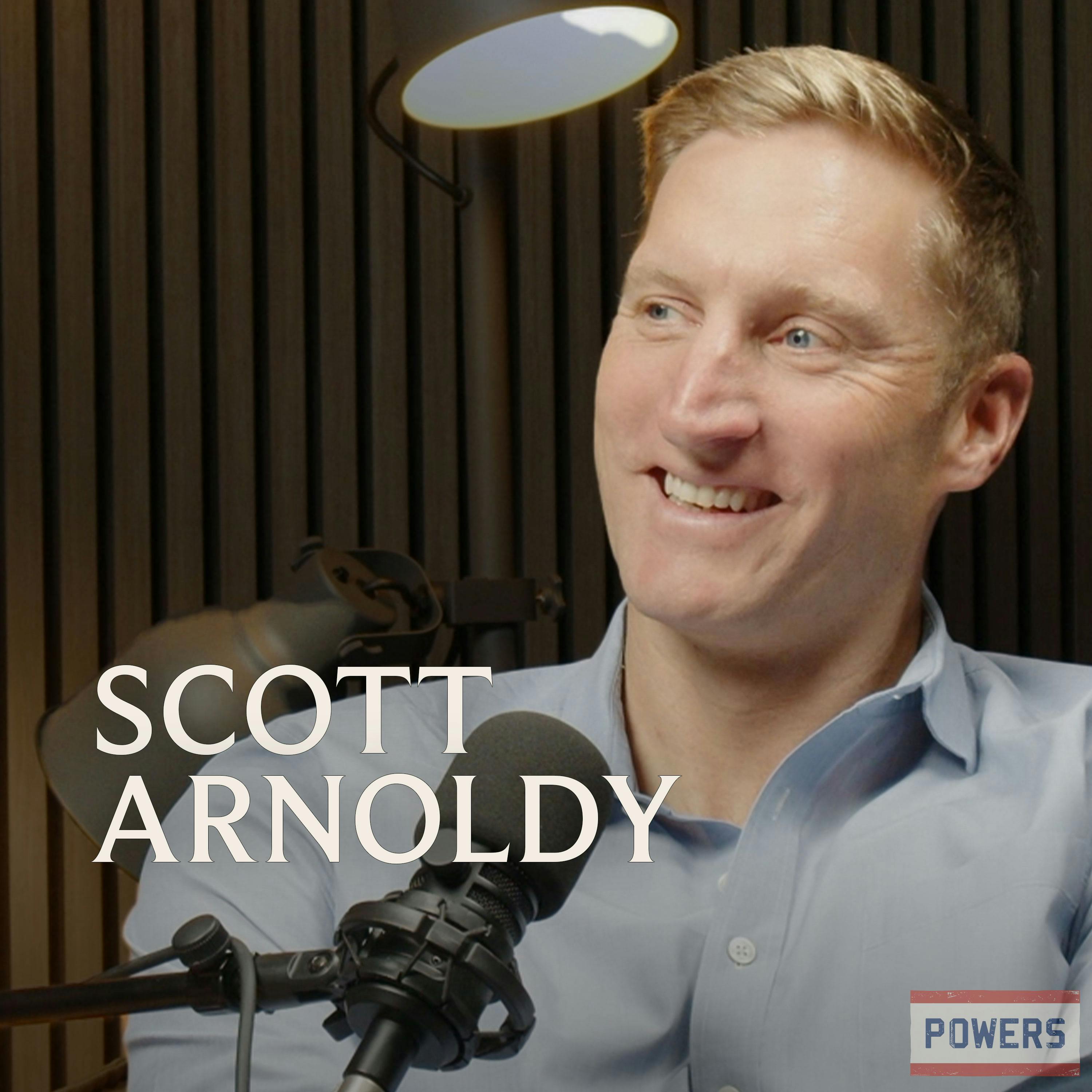
A young Ed Stack's transparent inexperience in buying meetings didn't lead to exploitation; it invited mentorship. By openly admitting what he didn't know, he transformed vendor relationships into partnerships. People were more willing to help him succeed rather than just sell to him, showing that vulnerability can be a powerful negotiation tool.
![Ed Stack: Lessons from Dick’s Sporting Goods [Outliers] thumbnail](https://megaphone.imgix.net/podcasts/2e1ece1e-9418-11f0-a293-fbf26a5641f7/image/c326da117a8c3f34b0eb64d2cab694ad.png?ixlib=rails-4.3.1&max-w=3000&max-h=3000&fit=crop&auto=format,compress)
While recovering in a hospital bed on pain medication, an enterprise sales rep closed two deals at quarter-end. He attributes it to clients feeling sorry for him, highlighting how profound personal vulnerability and empathy can sometimes become an unorthodox, yet effective, sales lever.
